Improving world infrastructure
September 01, 2026As communities around the world face increasing demands on water, energy and utility infrastructure, the need for reliable, long-lasting piping systems has never been greater. Municipalities, engineers, contractors and utility owners are under constant pressure to build networks that minimize maintenance, reduce lifecycle costs and perform for generations.
Thermoplastic pipe has long been a preferred solution across water, natural gas, industrial, geothermal and wastewater applications. But the true strength of these systems extends beyond the pipe itself and into the high level of quality control and oversight available when fusing and installing plastic pipe.
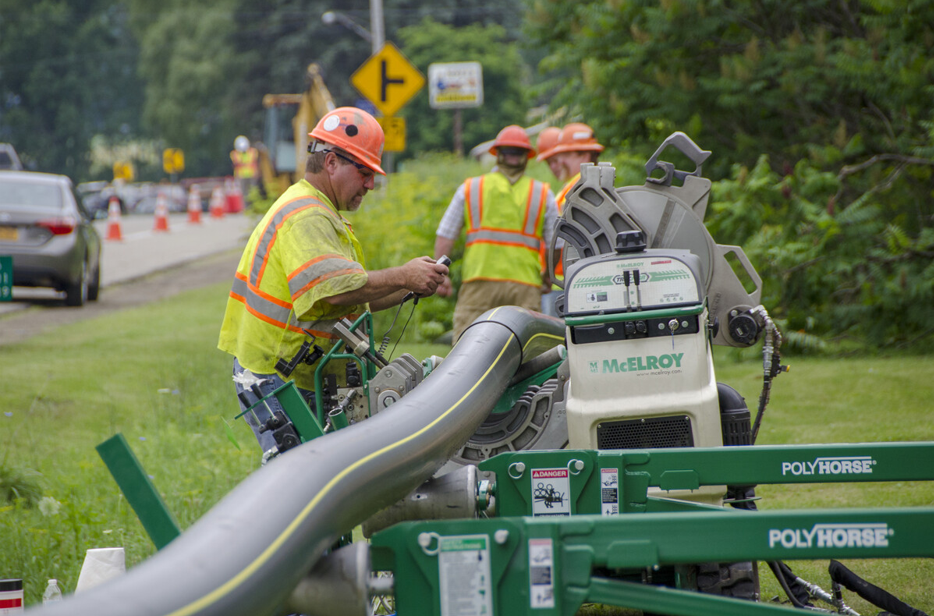 Figure 1: An operator fuses HDPE on a natural gas jobsite. HDPE is a growing choice across many applications due to its reliability, resilience and traceability. Source: McElroy
For nearly 60 years, McElroy has been at the center of that conversation. Through industry-leading fusion equipment, training, data-driven technologies and support services, the company has helped shape the way thermoplastic pipe systems are installed around the world. Today, the McElroy Product Ecosystem provides a complete, connected approach to pipeline construction, quality assurance and asset longevity, helping infrastructure owners achieve reliable, leak-free performance from project planning through operation.
What is plastic pipe fusion?
Plastic pipe fusion is the process of joining thermoplastic pipe and fittings using controlled heat, pressure and time.
The fusion process itself is relatively straightforward. During pipe fusion, the pipe ends are heated to a prescribed temperature and then joined under a controlled force. As the material softens, the molecular structure of the pipe ends intermingle and fuse together. Once cooled, the molecules return to their original state, creating a homogenous joint that effectively becomes part of the pipe itself.
Unlike mechanical connections that rely on gaskets, seals, threads or coupling components, fusion creates a monolithic piping system. The result is a pipeline with no distinct connection point that could become vulnerable to leakage, corrosion or mechanical failure.
This molecular bond is the foundation of modern polyethylene piping systems — and the reason heat fusion has become the preferred joining method across critical infrastructure markets worldwide.
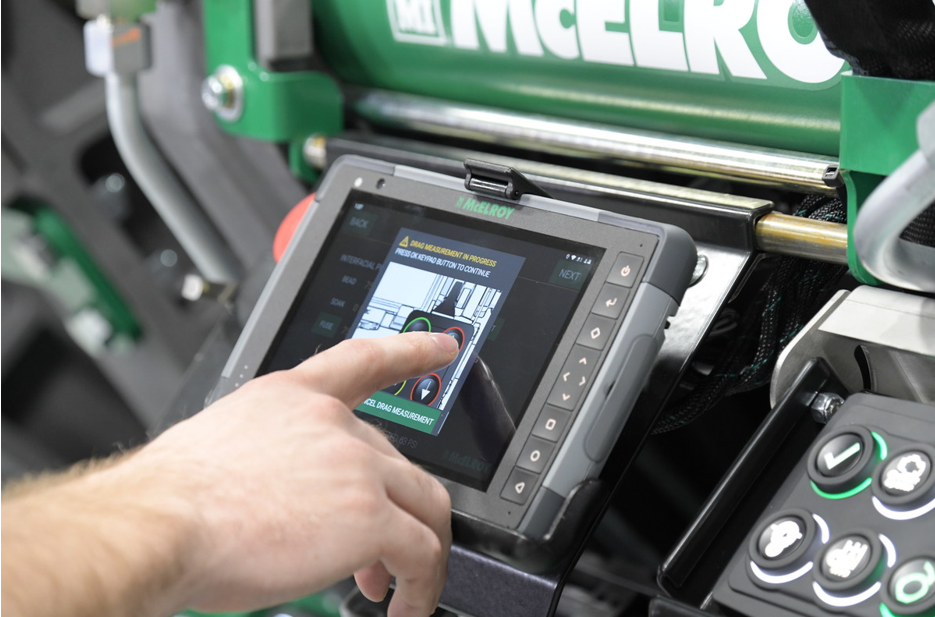 Figure 2: The DataLogger 7 is an integral part of McElroy’s product ecosystem, which provides a complete and comprehensive approach to pipeline construction, quality assurance and asset longevity. Source: McElroy
How fusion works
While McElroy equipment has evolved significantly through automation, digital controls and data collection capabilities, the fundamental principles of butt fusion remain consistent.
1. Clamping the pipe: Pipe sections are securely positioned in machine jaws to maintain alignment throughout the fusion cycle. Proper alignment is essential because it ensures uniform contact between the molten surfaces during joining.
2. Facing the pipe: A facer removes a thin layer of material from both pipe ends. This operation creates clean, parallel surfaces that are square to the pipe centerline, preparing the material for fusion.
3. Heating the pipe: A heater plate raises the pipe ends to the appropriate fusion temperature. During this heat soak phase, a consistent melt pattern develops, creating the conditions necessary for molecular bonding.
4. Joining and cooling: After the proper heat soak period, the heater is removed and the pipe ends are brought together under the specified fusion force. The joint then cools under pressure, completing the fusion process and forming a continuous section of pipe.
Although the procedure appears simple, consistently producing high-quality joints requires trained operators, adherence to industry standards and reliable equipment.
That is where McElroy's ecosystem approach becomes especially valuable.
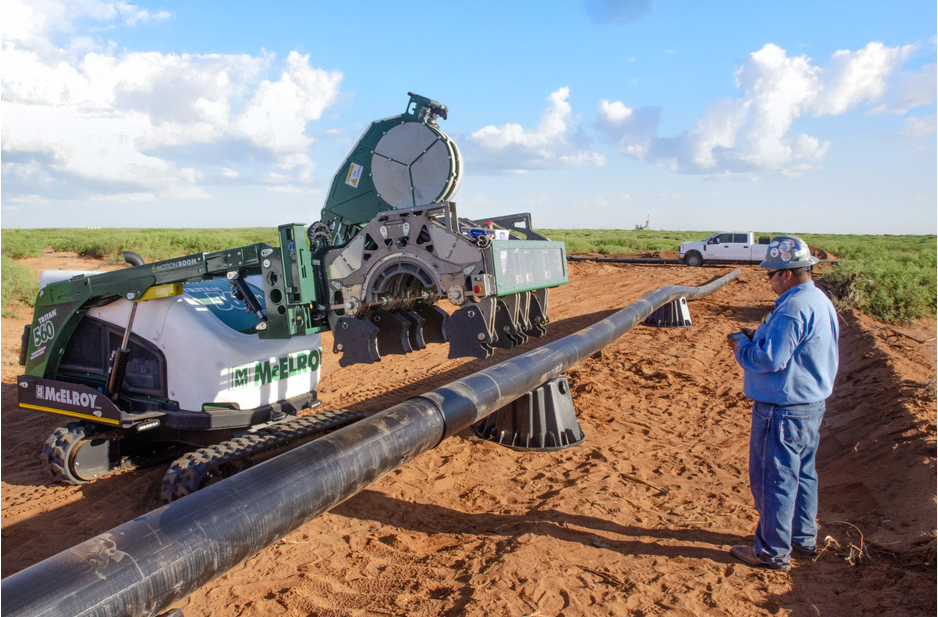 Figure 3: Using the DataLogger 7, a technician fuses pipe with McElroy’s Tritan 560. The Tritan 560 was designed with ease of use, operator safety and efficiency in mind to further boost the installation process for HDPE pipe. Source: McElroy
The power of the McElroy product ecosystem
Beyond manufacturing fusion equipment, McElroy offers technologies, software, training and support systems that help contractors perform repeatable, standards-compliant fusions while maintaining comprehensive documentation throughout the project lifecycle.
As fusion technology has matured, the industry has moved beyond viewing fusion machines as standalone tools. Today's contractors and infrastructure owners need connectivity, traceability and actionable data.
By connecting people, equipment and information, the ecosystem helps ensure that every fusion joint contributes to overall project quality and long-term system performance.
Why fusion matters
The growing adoption of thermoplastic pipe systems is directly tied to the performance advantages that fusion provides.
One of the most significant benefits of heat fusion is the elimination of potential leak points. Traditional piping systems often incorporate thousands of mechanical connections, each representing a possible failure location. Ground movement, pressure fluctuations, temperature changes and component deterioration can all compromise these interfaces over time.
Fusion eliminates these vulnerabilities by creating a continuous pipeline. For municipalities focused on reducing non-revenue water, utilities seeking system reliability, and industrial operators concerned about containment, leak-free performance delivers measurable value.
When paired with the data collection and quality management tools within the McElroy product ecosystem, infrastructure owners gain added confidence that every fusion meets established procedures and quality expectations.
Polyethylene piping systems are widely recognized for their exceptional durability and longevity. Properly designed and installed thermoplastic systems can provide a service life approaching a century in many applications.
The strength of fused joints plays a critical role in achieving that lifespan. Because the joint becomes part of the pipe itself, it does not represent a weak link in the system. For infrastructure owners making long-term investment decisions, this translates into improved asset value and reduced replacement costs over time.
Unlike metallic piping materials, thermoplastic pipe does not rust, corrode or suffer from galvanic deterioration. This resistance makes polyethylene pipe highly effective in challenging environments, including water and wastewater networks, mining operations, industrial facilities, and chemical processing systems. Combined with fusion technology, corrosion-resistant pipe systems provide long-term reliability even under demanding operating conditions.
The ability to capture fusion records, maintain digital documentation and verify installation quality through the McElroy product ecosystem further supports effective asset management and long-term cost control.
Thermoplastic pipe systems are engineered to withstand ground movement, vibration and pressure fluctuations that can challenge more rigid materials. This flexibility makes them particularly valuable in seismic regions, directional drilling applications and areas with unstable soil conditions.
When fused into a continuous pipeline, thermoplastic systems deliver a level of resilience that helps protect critical infrastructure from real-world environmental and operational stresses.
Supporting modern infrastructure
Today, fused thermoplastic pipe is installed throughout municipal water systems, natural gas distribution networks, wastewater infrastructure, geothermal applications, fire suppression systems, industrial facilities and HVAC projects.
As infrastructure priorities increasingly focus on sustainability, efficiency and long-term performance, fusion technology continues to play a central role.
McElroy remains committed to advancing the industry through innovations that improve safety, productivity and quality assurance. From advanced fusion machines and digital data collection tools to operator training and connected technologies, the company continues to expand the capabilities available through the McElroy Product Ecosystem.
These solutions help contractors work more efficiently, enable owners to maintain greater visibility into project quality and support the successful delivery of critical infrastructure projects around the world.
Building better pipelines for future generations
The integrity of a pipeline depends on the integrity of every joint. Heat fusion has established itself as the gold standard for joining thermoplastic pipes because it creates connections that become an integral part of the pipeline itself.
Through the McElroy product ecosystem, contractors, engineers and asset owners can go beyond simply making fusion joints. They can connect equipment, operators, project data and quality documentation into a comprehensive workflow designed to support infrastructure throughout its lifecycle.
The benefits are clear: leak-free performance, exceptional durability, corrosion resistance, reduced maintenance costs, improved quality assurance and long service life.
As communities continue investing in critical water, energy and utility infrastructure, McElroy is helping ensure those investments deliver lasting value. By combining proven fusion technology with a connected ecosystem of products and services, McElroy is not just joining pipe. It is helping build stronger, more traceable and more sustainable infrastructure for generations to come.