How to choose the right pH sensor
Neha Shinde, courtesy of Mettler Toledo | September 09, 2026
pH is one of the most fundamental chemical parameters used across science and industry, reflecting the acidity or alkalinity of a sample. Defined as the negative logarithm of the hydrogen ion concentration, pH plays a crucial role in influencing chemical reactions, biological processes and the quality of industrial products. Achieving accurate pH measurements depends on selecting an appropriate measurement system, including a pH electrode that is tailored to the specific sample type and measurement conditions.
Why is the pH electrode/sensor so important?
The pH electrode is the core component of the pH measurement system, responsible for sensing and detecting changes in pH levels accurately. It converts the chemical information — specifically the activity of hydrogen ions in the sample — into an electrical potential that a pH meter interprets as a pH value. The quality, design and compatibility of the electrode directly affect:
- Measurement accuracy: Mismatched electrodes can lead to erroneous readings.
- Response time: Some electrodes react faster, crucial for real-time monitoring.
- Durability and maintenance: Certain electrodes withstand harsh conditions better.
- Sample compatibility: Different electrodes are optimized for different sample matrices.
Therefore, understanding electrode types and matching them to your sample and application is key to reliable pH measurement.
Key factors to consider about the sample include the chemical composition, homogeneity, temperature, pH range, and the physical dimensions of the container (length and width constraints). This selection is especially critical when dealing with challenging samples such as non-aqueous solutions, low conductivity media, protein-rich substances, and viscous materials, where standard electrodes may be prone to measurement errors.
Understanding the influence of sample matrices on pH measurement
The sample matrix—its composition, viscosity, ionic strength, and physical state—plays a crucial role in electrode selection. Let's explore common sample types and challenges:
- Protein-containing samples pose a risk of electrode fouling as proteins tend to adsorb on electrode surfaces, impairing measurement reliability.
- Viscous media like syrups and gels hinder ion diffusion and can clog electrode junctions, leading to inaccurate or unstable readings.
- Non-aqueous samples, which have low water content, may cause failure in standard electrodes due to membrane incompatibility.
- Low-ionic-strength waters, such as ultrapure or deionized water, can cause unstable or drifting pH readings due to low sensitivity, which is a result of poor contact with the reference electrode.
- In cases of small-volume samples, often seen in clinical or research settings, a limited sample size complicates electrode immersion and contact.
- Flat surface measurements, such as on agar plates or membranes, are challenging since conventional electrodes are designed for immersion and may not achieve proper contact.
- Solid or semi-solid samples like meat, cheese, or dough require specialized electrodes to ensure consistent and accurate pH measurement.
- Samples exposed to extreme conditions such as high temperature, pressure, or containing interfering ions, demand electrodes engineered for stability and specificity under these harsh or specialized environments.
Understanding these challenges underscores the need to select electrodes tailored to the specific sample matrix and measurement conditions to ensure precise pH determination.
pH sensor components and sample compatibility
A typical combination pH electrode is more than just a probe; it is a sophisticated electrochemical sensor comprising several critical components:
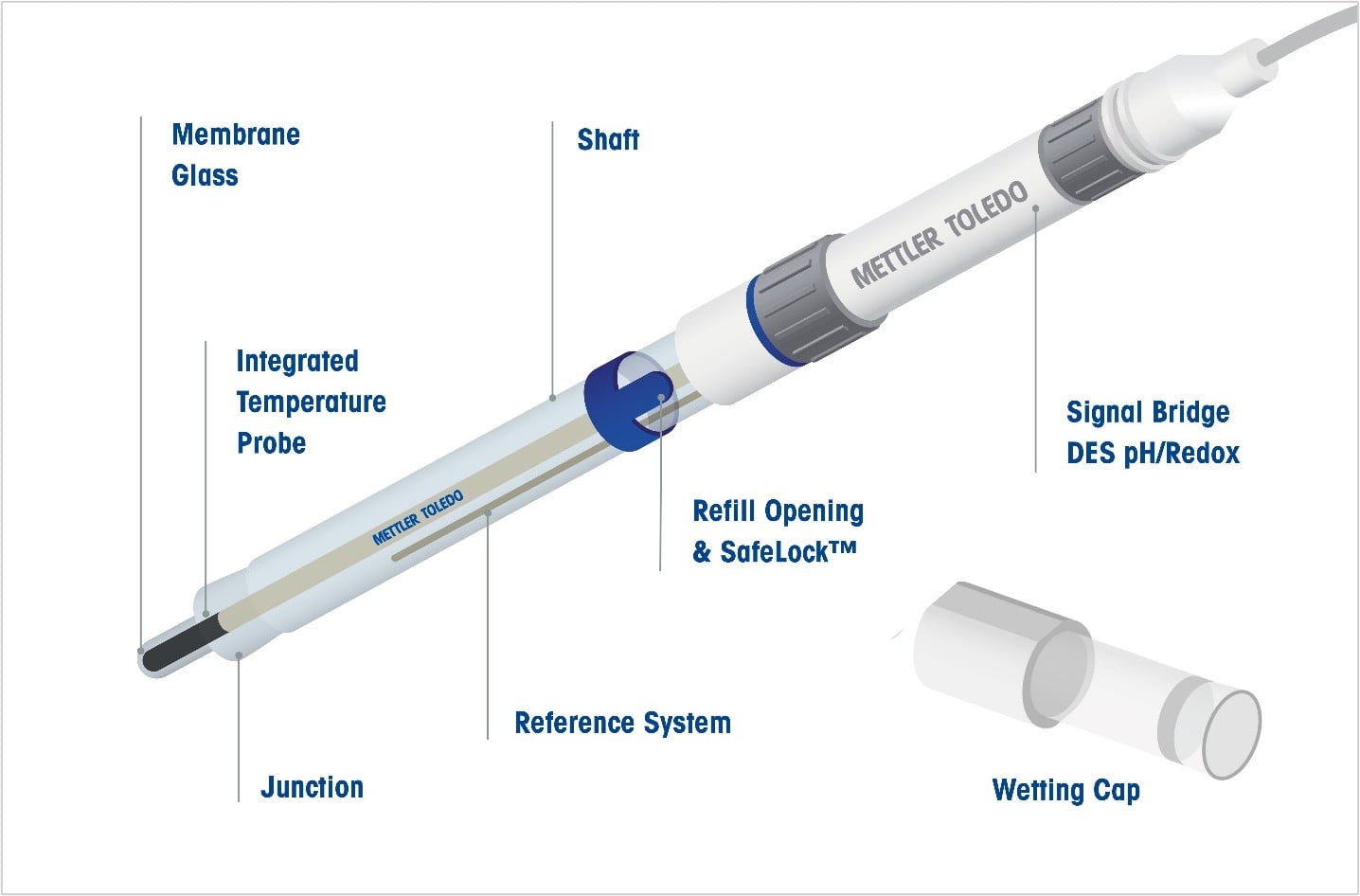 Figure 1. Anatomy of pH electrode, in this case an InLab DES sensor.
A. Sensor dimension: shaft length and diameter
When selecting a sensor, it is important to consider the shaft length and diameter based on the specific application requirements:
- Shaft length: The standard shaft length is typically around 120 mm. However, for applications involving deep containers, such as tanks, barrels, or large reactors, a longer shaft may be necessary to reach the measurement point effectively. Conversely, shorter shafts may be preferable for shallow or confined spaces.
- Diameter: Standard sensor diameters usually range from 9 to 12 mm. For applications involving small-volume or narrow vessels, sensors with smaller diameters should be selected to ensure proper fit and accurate measurements.
In cases where both depth and narrow diameter are critical factors, sensors with reduced diameter and extended length may be required. By carefully assessing the physical dimensions of the measurement environment, an appropriate sensor can be chosen to ensure proper contact with the sample.
B. Shaft material
There are generally two selection options for electrode shafts: glass and plastic. The choice should be based on your application, sample type, and chemical resistance requirements. Select glass for chemically inert properties and cleaner signals or choose plastic for robustness and impact resistance.
C. Membrane glass: types and shapes
Membrane glass selectively responds to hydrogen ion activity, producing potential. The sensitivity, durability, and response time of the sensor depend on the type and thickness of the glass membrane. Various sensors with different membrane glass shapes and properties are available in the market, tailored to specific applications. When selecting a sensor, factors such as sample consistency, volume, temperature, measurement range, and ion concentration must be considered. One key characteristic is the membrane shape. Let's explore their properties and proposed usage.
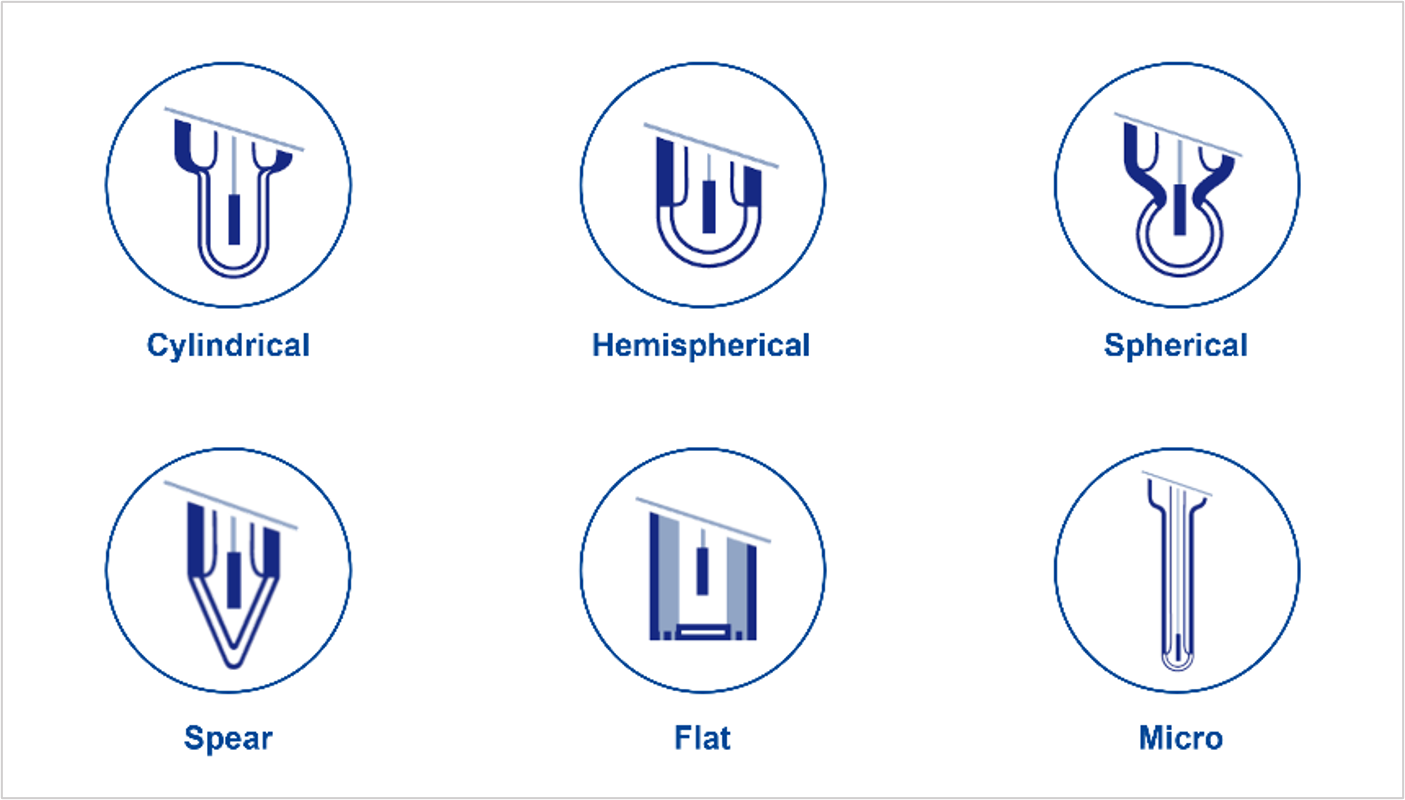 Figure 2. Differently shaped pH membranes.
- Cylindrical: Features a highly sensitive membrane, large surface area, and lower membrane resistance. Best suited for general applications and samples like highly saline solutions, seawater, Tris buffer, and corrosive acids and bases
- Hemispherical: Robust membrane, easy to clean, with the pH membrane only on the bottom of the electrode.
- Spherical: Designed for low temperature samples and more resistant to contractions. Also suitable for low ionic strength samples like deionized and ultrapure water. For example: InLab Cool, for pH measurement down to -30°C.
- Spear: Ideal for semi-solid and solid samples (fruits, cheese, meat) that traditional sensors can't measure accurately. Punctures samples easily for precise results.
- Flat: Designed for surfaces and drop-sized samples, with a small pH membrane contact area for precise measurement on limited sample volumes.
- Micro: For samples in small containers, featuring a narrow sensor shaft for easy access and precise measurement in tight spaces.
The membrane glass type is also important for the measurement properties of the electrode. The list below gives an overview of the various types of pH membrane glasses:
- HA: High alkali glass with low alkali errors, for high temperatures and high pH values.
- LoT: Low temperature glass with low resistance, for samples with low temperatures and low ion concentrations.
- A41: Particularly resistant to chemicals, suitable for high temperatures.
- U: Universal glass for standard application, resistant to chemicals, suitable for high temperatures.
- HF: Hydrofluoric acid-resistant glass, for samples containing hydrofluoric acid (up to 1g/L).
D. Reference system and electrolytes
The reference system in pH measurement must provide a stable and consistent potential against which the pH-dependent potential is measured. The choice of reference system and reference electrolyte strongly depends on the specific requirements of the sample. Common reference systems include silver/silver chloride (Ag/AgCl), iodine/iodide, and mercury/calomel, with Ag/AgCl wire being the most widely used.
The reference electrolyte should be carefully selected based on the sample matrix to maintain electrode stability and prevent junction clogging. For aqueous samples, potassium chloride (KCl)-based electrolytes are preferred due to their high solubility, pH neutrality, and minimal precipitation. For non-aqueous samples, lithium chloride (LiCl) combined with solvents like ethanol or acetic acid is commonly used.
Conventional Ag/AgCl reference systems require saturated AgCl electrolytes to maintain the reference element, but this can lead to silver ion precipitation and junction blockage in certain samples. However, with advanced systems such as Argenthal™, which incorporates a silver ion trap, one can use standard 3 mol/L KCl as the reference electrolyte rather than 3 mol/L KCl saturated with AgCl. The silver ion trap ensures that there are no free Ag+ ions in the electrolyte, preventing precipitate formation after reaction with the sample.
Advanced reference systems further enhance performance and reliability with features such as pressurized electrolytes. For example, Mettler Toledo's SteadyForce™ technology uses pressurized electrolyte technology to ensure continuous electrolyte flow, even in viscous samples, delivering highly reproducible results.
In addition to the above-mentioned liquid electrolytes, there are also gel and solid polymer electrolytes. Electrodes delivered with these electrolytes cannot be refilled. The electrode response time is strongly dependent on the type of electrolyte used. Liquid electrolyte electrodes show a very quick response time and give the most accurate measurements. Both gel and solid polymer electrolyte sensors have longer response times, but they are virtually maintenance-free.
E. Reference junction
The reference junction is the opening that allows the reference part of a pH electrode to maintain contact with the sample. Measurements are not possible if the electrolyte cannot flow freely, since the reference potential will no longer be stable. The same problem can also be caused if the inner electrolyte reacts with the sample solution being measured and the two meet in the junction. This reaction can create a precipitate, which may block the junction. Hence, a proper selection of an electrode with a suitable junction is important.
 Figure 3. Reference junction types.
- Ceramic junction: A porous ceramic piece in the electrode allows slow electrolyte flow but stops it from streaming out freely, ensuring a stable reference potential. This kind of junction is very suitable for standard measurements in aqueous solutions; the InLab™ Routine Pro is an example of such an electrode.
- Drawback: can easily clog with viscous samples, suspensions, or precipitates (e.g. proteins), which block electrolyte flow and affect measurement accuracy.
- Sleeve junction: Features a ground glass shaft covered by a movable glass or plastic sleeve that regulates electrolyte flow. It offers faster electrolyte flow than ceramic junctions, making it ideal for ion-deficient and viscous samples like oils, suspensions, and emulsions. This design resists blockages better, is easy to clean, and provides more stable measurements in challenging media, even with low ion concentration. The immovable sleeve junction is ideal for semi-solids and slurry sample matrices as it prevents particulate matter from obstructing the electrolyte pathway, ensuring consistent electrolyte flow. This effective interaction between the electrolyte and the sample results in faster response times and more stable pH readings.
- Open junction: This type of junction is fully open to the sample, using a solid-state polymer reference electrolyte. It rarely clogs and performs well with very dirty or challenging samples (e.g., pH measurement of soil). However, it has slower reaction times and lower electrolyte flow, so it requires samples with sufficiently high ion concentration for stable measurements. Despite this, it is robust and suitable for most applications.
F. Integrated temperature probe
pH value is temperature dependent. Temperature can significantly influence the behavior of pH electrodes and the characteristics of the sample. Choosing a sensor with an integrated temperature probe offers significant advantages for accurate and reliable measurements. An inbuilt temperature probe allows the sensor to automatically adjust measurements according to the current temperature of the sample, improving accuracy and consistency. Additionally, it simplifies the measurement setup by eliminating the need for a separate temperature sensor, making the process more efficient and user-friendly.
Why is this anatomy important? Each component influences how the electrode performs in different environments. For example, a robust glass membrane can endure harsh cleaning cycles, while a special junction type can prevent clogging in viscous samples. Choosing the right combination ensures optimal measurement.
Why electrode selection matters
Choosing the right pH electrode is not just about measurement—it affects:
- Product quality: Accurate pH ensures process control and safety.
- Data reliability: Consistent readings build confidence in research and regulatory compliance.
- Cost efficiency: Durable electrodes reduce replacement frequency and downtime.
- Workflow efficiency: Quick, stable readings save valuable time and enhance overall operational efficiency.
Choosing the right sensor is crucial as technology advances and measurement demands increase. Today, data integrity, compliance, and sustainability are fundamental priorities for laboratories. To meet these needs, digital technologies offer the most reliable solutions.
Application notes and practical tips
Visit Mettler Toledo's expert library to download application notes. These resources guide you in selecting the most suitable sensor for a specific application, provide practical tips and best electrochemical practices, and empower you with the confidence to make informed sensor choices.
Looking for the right pH measurement system? Mettler Toledo offers an interactive configurator that can help you with the selection. Answer a few questions about your application and requirements, and configure your complete system, including meter, sensors, solutions, and accessories that best match your needs.