Understanding pH troubleshooting: A complete overview
Sakshi Jadhav, courtesy of Mettler Toledo | June 15, 2026 Source: Mettler Toledo
Troubleshooting in pH measurement refers to the systematic approach of identifying, diagnosing and resolving issues that may arise while measuring pH. Effective troubleshooting ensures the reliability of readings, maintains measurement integrity, improves performance and enhances the knowledge of personnel involved in the pH measurement process. It is an essential practice that safeguards the quality and utility of pH measurement.
When discussing pH troubleshooting, some of the most observed electrode issues can be classified as  Source: Mettler Toledo follows:
1. Mechanical issues: These include problems related to the electrode, the electrode cable and its connection to the meter.
The electrode is the component that comes into direct contact with the sample, making its selection and maintenance crucial for ensuring sensitivity and achieving precise pH readings. The electrode may function properly at first, but it can suddenly start to exhibit poor performance. Researchers may encounter issues such as drift in readings and slower response times. Here are some steps that can assist in resolving potential issues that may be faced.
Step 1: Check the electrolyte
- Ensure that there is sufficient reference electrolyte present (this does not apply to gel-filled electrodes); the electrolyte level must be above the internal elements and the sample.
- Keep the filling hole open during measurements.
- Check the electrode junction for any precipitates and clean any crystals or salt deposits using distilled water.
Step 2: Check the cable and connections
- Ensure that the correct cable is used and that the connections are tight and secure.
- If the cable isn't secured, replace it with an identical one.
- Flex the cable and watch for any changes in the signal.
Step 3: Examine the membrane
- For pH electrodes, assess the membrane for any signs of damage, contamination or dehydration. Clean it using a solvent that can dissolve the contaminant, followed by rinsing with deionized water. Then, rehydrate the membrane by soaking it in a dilute acidic solution (such as dilute HCl).
- Ensure electrodes are stored in the appropriate storage solution to maintain their performance.
Step 4: Verify the electrode's age
- Replace any electrodes that are old or show signs of wear.
2. Calibration Issues: Some major problems in this category include an out-of-range slope and inconsistent readings. Here are some steps to avoid calibration errors:
Step 1: Inspect buffer solutions
- Use fresh and unexpired buffer solutions to prevent contamination.
- Confirm that the correct set of buffers is being used as selected in the meter.
Step 2: Verify mV values
- Immerse the electrode in pH 4.01 and pH 7.00 buffer solutions. The meter reading should be at least ±180 mV above the zero potential.
- Acceptable slope values range from 95% to 105%, and the offset should be within 0 ± 30 mV.
Step 3: Verify calibration settings 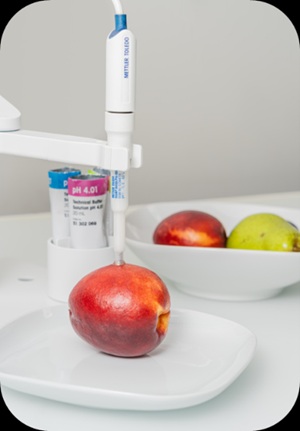 Source: Mettler Toledo
- Ensure that the appropriate calibration mode is being used: either linear or segmented.
3. Measurement issues: The steps below ensure any problems that may be encountered during pH measurement are avoided.
Step 1: Check the electrode and its application suitability.
Step 2: Verify sample temperature
- Monitor the sample temperature to ensure it remains stable throughout the measurement process. Since the pH of a sample is influenced by temperature, the readings may continue to drift until the sample reaches a consistent temperature.
Step 3: Verify measurement range and use appropriate calibration buffers
- Always be aware of the expected measurement range for samples. Use calibration buffers that encompass this range to ensure accurate calibration. Further, verify using a buffer that is close to the pH of the sample.
When discussing pH meters, the troubleshooting process is as follows:
For any display issues, check the power connections to ensure that all are secure and functioning properly.
In the case of out-of-range readings, perform a shorting clip test to identify any potential issues with the electrode or connections. In addition, review the firmware release notes to see if any similar issues have been reported or resolved in the latest versions. If applicable, consider upgrading the firmware to the latest version.
Regarding battery maintenance for battery-operated meters, a low battery can impact the performance of the pH meter, leading to inaccurate measurements or no readings at all. Regularly check and replace batteries as needed and consider using rechargeable batteries to reduce environmental impact. Always ensure that the meter has sufficient power before use.
Mettler Toledo offers valuable insights on pH troubleshooting, complete with helpful tips and tricks. Download the pH Measurement Theory Guide and pH Electrode Maintenance Poster | Mettler Toledo for more information.
To contact the author of this article, email pHmatters@mt.com