Plasma-powered hydrogel technology could expedite burn recovery
Marie Donlon | August 10, 2026A new platform technology that enables medical patches, wound dressings, soft robotics and wearable health devices to stay in place longer while simultaneously delivering treatment and monitoring healing has been developed by a team from the University of Newcastle.
According to its developers, the medical engineering technology promises to improve recovery outcomes for burn patients while also overcoming common limitations among current wound dressings, including maintaining long-term adhesion with soft, tissue-like materials without incurring damage while also withstanding moisture and movement.
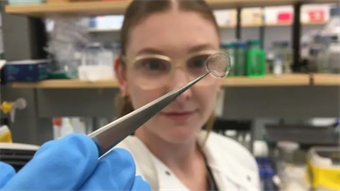
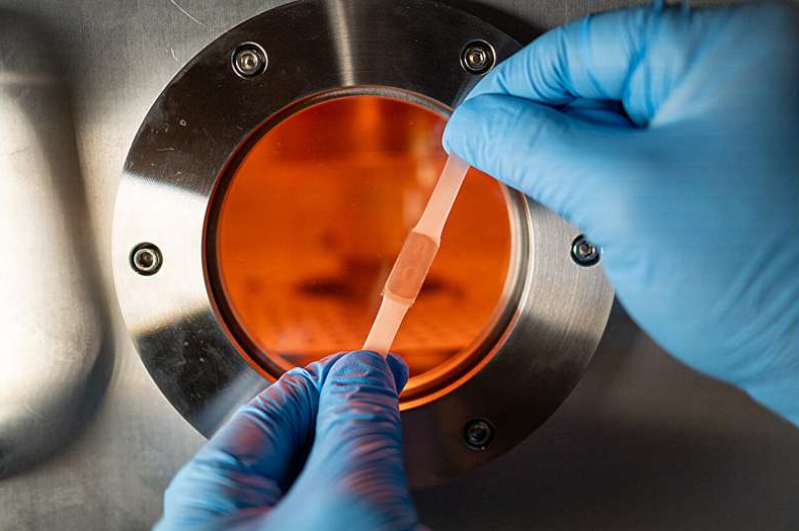 Source: The University of Newcastle
While traditional burn wound care requires frequent and typically painful dressing changes that can slow recovery and increase the risk of infection, the team developed a plasma-based process to better bond soft hydrogels to stretchable polymer backings.
"It allows wound dressings to remain in place for longer periods while enabling liquid treatments, such as antibacterial therapies, to pass through the dressing. This means fewer dressing changes, less pain for patients and improved healing conditions," the team explained. "This hybrid device can be stored in a dry form for years without degrading and can simply be rehydrated in a biomolecule solution of choice when needed in the clinic. It creates new possibilities for how medical materials can function reliably on the body in real-world settings."
This flexible, plasma-based gel platform overcomes the poor stability and adhesion common with traditional biomedical gels by bonding them to a stretchable polymer backing. In lab tests, the technology achieved up to 90% wound closure after seven days, compared with 50% for conventional dressings. The toxin-free, environmentally friendly platform could enable smart wound dressings, burn treatments, wearable biosensors and soft robotics or artificial skin applications, the developers concluded.
An article detailing the platform, “Universal Method for Covalent Attachment of Hydrogels to Diverse Polymeric Surfaces for Biomedical Applications,” appears in the journal Advanced Materials.