E-book: Chemical processes
June 01, 2026Many chemical processes routinely release hazardous gases and vapors into an exhaust or waste gas system. To protect personnel, property and the environment from unexpected dangers, these streams often need to be monitored continuously and kept well within safe levels.
In the event of an unexpected or accidental increase in gases/vapors, the monitoring systems must be able to make quick and accurate readings — allowing time to take corrective action. In some cases, this may mean shutting down processes, diluting with air or inert gases and in many cases, bypassing downstream recovery or abatement systems.
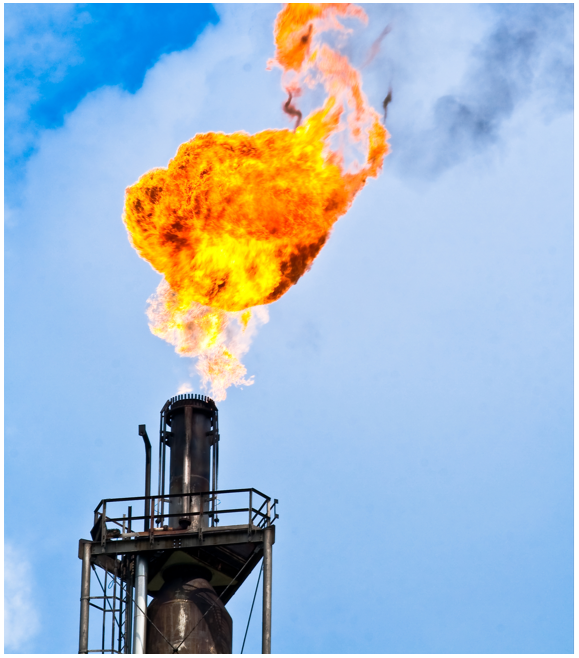 Figure 1: Many chemical processes routinely release hazardous gases and vapors into an exhaust or waste gas system. Source: iStock
Specifying the right analyzer for online process measurements requires a thorough understanding of the sample conditions, all components present and the primary purpose or intent (safety and/or control) of the measurement.
Due to the importance of these measurements for process efficiency, control and safety, Control Instruments offers a wide range of robust analyzers for various measurement requirements. From process to recovery, these systems can help improve the safety, performance and energy savings in plantwide applications.
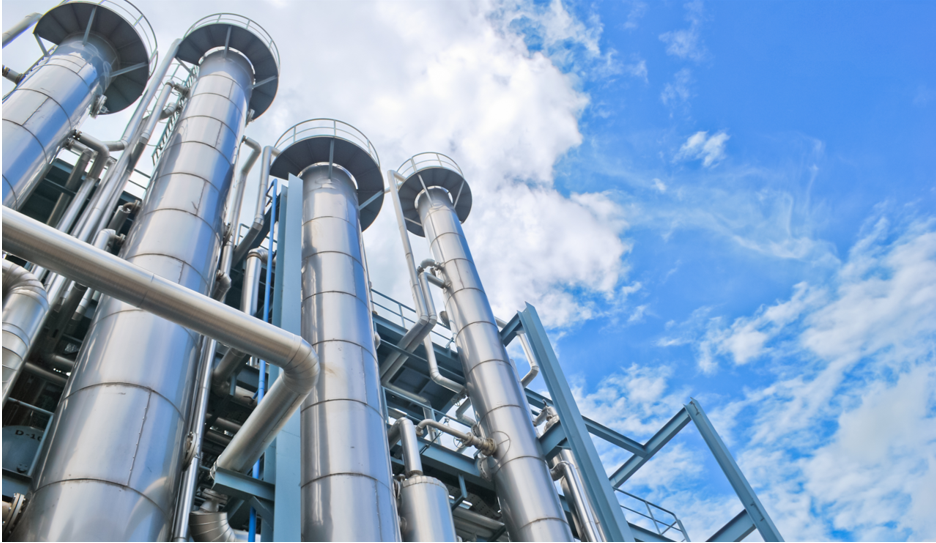 Figure 2: Protecting life and equipment from explosions is obviously of critical importance in any plant. Source: iStock
Chemical processes: LFL monitoring
Protecting life and equipment from explosions is obviously of critical importance in any plant. At the same time, a plant must be able to continue to operate efficiently. In order to accomplish this, customers must be sure to select an LFL monitor that is appropriate for the application.
The analyzer will need to make fast readings and be accurate, even if the mixture of gases and vapors is changing. Users will also want an analyzer that will be designed to handle the challenges of a difficult application without regularly going into a FAULT condition or needing a complicated sample conditioning system in order to keep the analyzer operating.
PrevEx Flammability Analyzers are industrial-strength assemblies that solve all of the sampling, measuring and reporting problems found in chemical applications for LFL monitoring. Its unique sensing flame technology has proven itself to be the most reliable in the industry, ensuring unmatched safety, ultra-fast response time and superior accuracy, even when sampling a mixture of several different flammable vapors.
Additional features include:
- Accurate response factors over a large range of flammable components
- Ability to read in inert backgrounds
- Suitable for monitoring Class I Division I hazardous atmospheres
- Fully heated sampling system to prevent drop out/condensation
- A cell response time of less than 1 second
- Compact and light weight, less than a cubic foot and only 45 lbs
- FM approved, FMc, CE and ATEX configurations also available
- Constant self-diagnostics allow the operator to be alerted if a FAULT condition occurs with the analyzer
The AcuPro Infrared Process Analyzer is for flammable gas monitoring in relatively clean, low temperature, low concentration, single solvent applications.
Additional features include:
- Accurate: Multiple wavelengths detect a range of solvents and gases
- Fast: Superior response time, less than 4 seconds
- No add-ons: Accessories, moving parts or mirrors are not necessary
- Fully heated: All sample-wetted parts are heated, including the detector assembly, the optical cell and sample probe
- Industrial design: Immune to poisoning and requires no oxygen for operation
Ovens and dryers
Many chemical processes involve coating a product with a flammable solvent or mixture of solvents and then run through an oven to dry the solvents. At this point, an explosive level of vapors is possible and needs to be monitored.
In addition to the solvents, the atmosphere may also contain moisture, resins, halogenated hydrocarbons, silicones and other unknown substances. Danger is present when hazardous buildup of flammable vapors in the atmosphere gets rich enough to ignite or explode, another crucial reason for LFL monitoring.
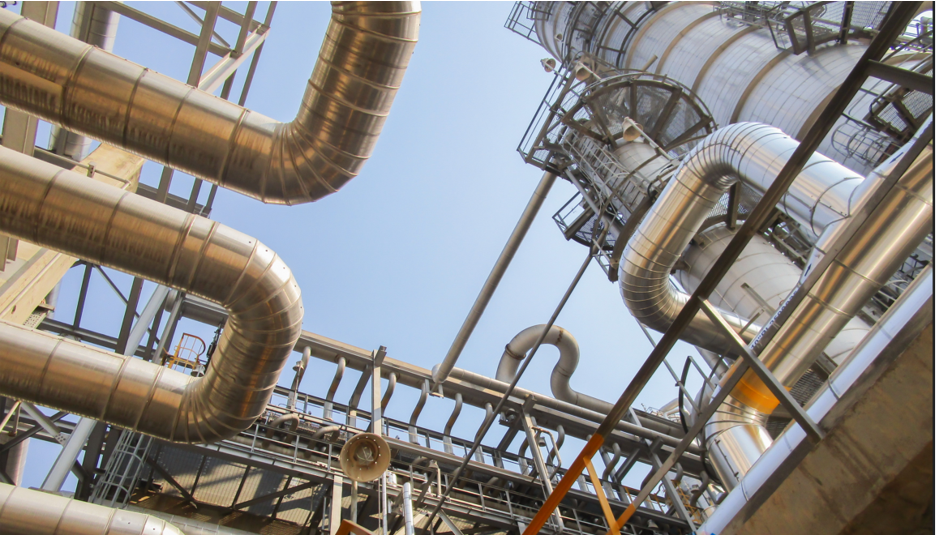 Figure 3: Steam stripping is an economic method of cleaning up plant wastewater streams. Source: iStock
Oxidizer protection
Measuring flammability at the inlet of the oxidizer will prevent fires, explosions or catalyst destruction by monitoring the flammability of the incoming VOC stream.
These streams are of varying energy content that can change rapidly in a matter of minutes. Danger is present when the inlet stream suddenly gets rich enough to ignite or explode.
Scrubbers/strippers
Steam stripping is an economic method of cleaning up plant wastewater streams. It is a multistage continuous distillation process where steam is used as a stripping gas to remove hydrocarbons from dischargeable waste waters. The outlet of the air stream from the columns must be monitored, if LEL exceeds 25%, the process will be shut down.
Wet scrubbers are effective air pollution control devices for removing particles and gases from industrial exhaust streams. Scrubber liquid normally has very low organics, but the outlet must be monitored due to ever changing concentrations.
Headspace monitoring
Collection tanks can contain a complex mixture of materials and hazardous chemicals, many of which are present in the headspace of the tanks.
These need to be vented to the atmosphere to prevent potentially flammable concentrations of gases in the tanks. To help prevent fires and explosions, the headspace needs to be monitored.
Chemical processes: PPM monitoring
Parts-per-million (PPM) measurement for emissions monitoring is an ongoing requirement at chemical plants.
The challenges are often the difficult environment that the analyzer is installed into and getting a clean sample to and through the analyzer in order to get an accurate reading and keep maintenance to a reasonable level.
Control Instruments’ flame ionization detectors are industrial grade analyzers that measure the emissions of total hydrocarbons and VOCs in the PPM range. The Model SNR650 is a high temperature unit that mounts directly onto the process ductwork, eliminating sample handling problems and resulting in fast and easy installation, low maintenance, less downtime and very fast total system response.
Additional features include:
- Suitable for outdoor/stack or duct mounting — NEMA 4x
- Heated to 200° C to prevent drop out/condensation
- Compact and light weight — less than a cubic foot and only 45 lbs
- Input contacts to remotely initiate auto-calibration tests
- Fast: Near 1 second response time
- Direct mount: Eliminates heat-traced sample lines
- Reliable: Integrated air-aspirated sampling system does not require pumps
- Industrial design: Rugged assembly suitable for continuous use in harsh environments
Carbon beds
Carbon adsorption beds are frequently used in chemical production to control VOCs by capturing and recycling solvents. Solvent laden air from the processes is passed through an activated carbon bed. When the carbon bed is nearly saturated with solvent, steam-down cycle occurs to condense out the solvent for re-use. The carbon is then regenerated for another collection phase. Two carbon beds are used so that one bed can process the solvent-laden air while the other one is regenerating.
Flame ionization detectors (FIDs) are used to monitor the carbon bed exhausts for solvent breakthrough and to control the switching of the carbon beds when they have become saturated. They also improve the effectiveness of the carbon bed system in terms of the quantity of solvent recovered, reduced emissions, improved bed cycling and lower steam regeneration costs.
Outlet oxidizers
PPM measurement at the outlet of the oxidizer ensures that it does not exceed emission levels. In addition, by monitoring at the inlet and outlet of the oxidizer, hydrocarbons can be measured and compared before and after processing, indicating efficiency.
A flame ionization detector at the outlet of the oxidizer ensures that it does not exceed emission levels into the atmosphere.
Pressure swing adsorption (PSA) system
Pressure swing adsorption is a widely used technology for the purification of gases. A system of vessels is used to alternate between adsorbent filled vessels, one vessel being online and removing moisture at high pressure, and the other offline, releasing the trapped moisture at low pressure, to thoroughly dry a gas.
Continuous monitoring of the discharge from a PSA system is necessary, especially when looking to meet permit requirements. The analyzer must be robust enough to withstand the environmental conditions, and accurate enough to monitor trace levels of EDC (ethylene dichloride).
Chemical processes: BTU monitoring
BTU monitoring in a chemical plant is very important whether it be to stay within compliance of regulations, optimizing savings or optimizing performance. The most useful BTU monitor will produce fast readings that are accurate across a range of flammable substances.
A heated analyzer is also crucial as it will prevent any condensation of the sample within the analyzer, which will preserve the accuracy of the readings and reduce maintenance. These constant, real time, accurate readings allow the user to make adjustments to their process in order to improve performance while potentially reducing costs.
CalorVal BTU analyzers optimize the efficiency of the flare stack through measuring and controlling blended gas mixtures. These fully-heated analyzers feature a micro combustion type calorimeter and have a uniform response to a wide variety of combustibles. Its industrial strength design allows quick and reliable monitoring of the heating value and energy content of varying flammable solvents and combustible gases in the BTU range.
Additional features include:
- Direct measure of calorific value — BTU per standard cubic feet
- Suitable for mounting at sample tap pt. — NEMA 4x, no shelter needed
- Compact and light weight — less than a cubic foot and only 45 lbs
- Aspirator pulls sample through test chamber — no pumps required
- Input contacts to initiate remote calibration and validation tests
- FM approved for Class I Division II areas, FMc, CE and ATEX optional
Flare stacks
Waste streams consisting of gases and other unknown substances are collected from various chemical processes and sent to the flare stack for destruction.
Continuous monitoring of the waste stream is necessary to identify the minimum heating value and ensure proper combustion efficiency of the stack. In addition, by identifying the minimum heating value it can be determined whether the waste stream can be used as a standalone fuel source.
Boilers and turbine engines
Chemical processes can produce a uniform synthetic gas (syngas) that is used to power turbine engines. In order to optimize engine performance, the total calorific value of the syngas must be measured.
About Control Instruments
Control Instruments Corporation has been engineering solutions to gas and solvent vapor monitoring problems since 1969. They work hard to assess risks and carefully tailor a monitoring system to meet customer needs. For detailed information, system specifications and pricing, contact them today.