A common valve selection misconception in data center fuel systems
May 25, 2026The rapid growth of AI computing is pushing data center construction into a new cycle of expansion. Projects are moving faster, schedules are tighter and engineering teams are under more pressure to finalize systems early.
 Figure 1. Fusible link valves must be recognized as critical in diesel generator lines and fuel storage systems used in data center projects. Source: Guy/Adobe Stock
In these projects, most attention naturally goes to power capacity, cooling efficiency, redundancy and control architecture. But in actual execution, some of the most expensive mistakes do not come from the main equipment; they come from small components that are treated as secondary during design. One of the most common examples is the fire safety valve in the fuel system.
What does a fire safety valve do?
A fusible link fire safety valve is designed to remain open during normal operation and close automatically when ambient temperature reaches the release temperature of the fusible link. This means it is a passive protection device. It does not depend on:
- electrical power
- control system output
- air signal
- manual intervention
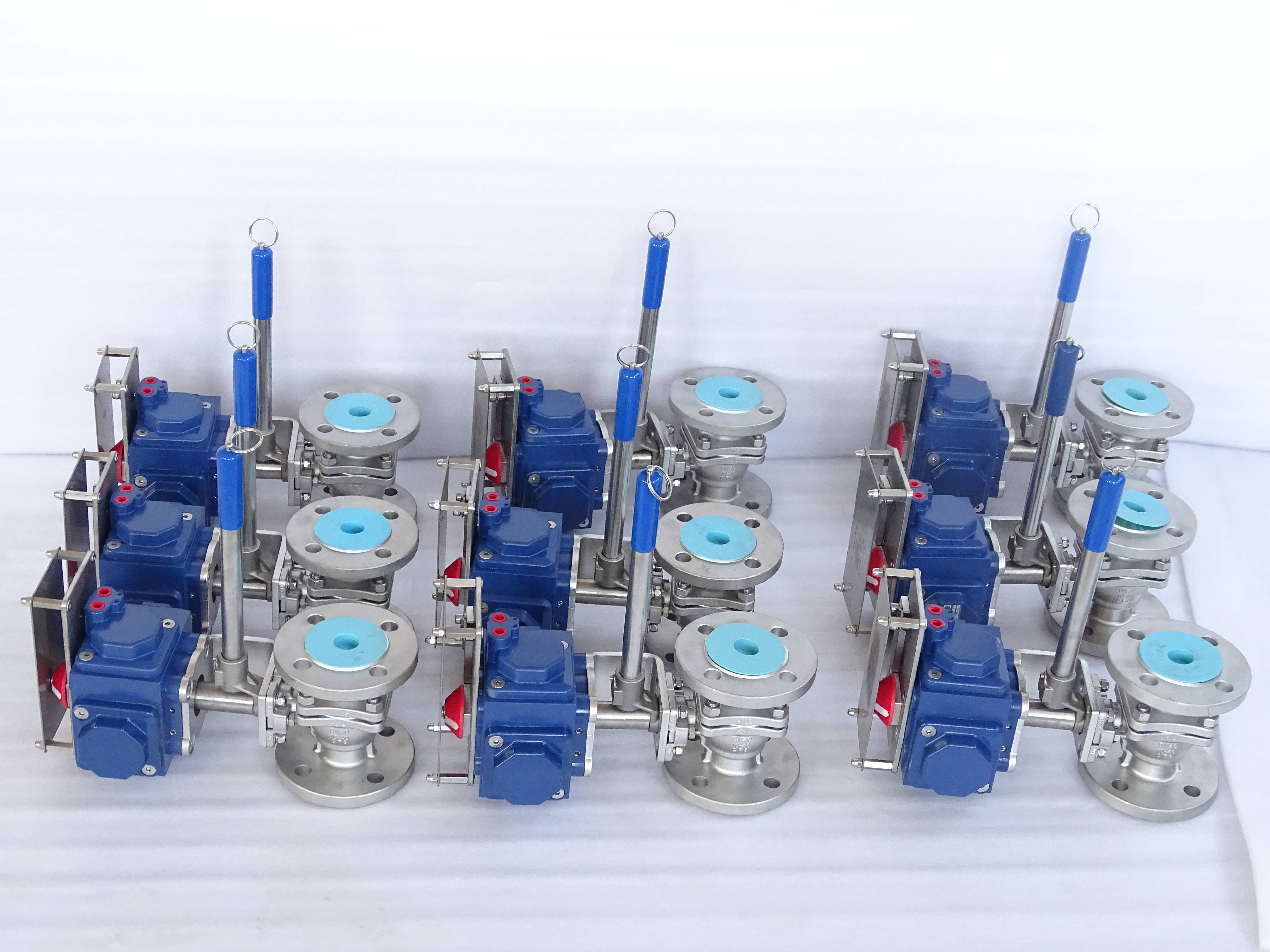 Figure 2. Stainless steel fire-safe valve FSV series. Source: THINKTANK
Once the ambient temperature reaches the defined threshold, the fusible link releases the mechanism and the valve closes. That is why this type of valve is used in fire-critical fuel applications. It is not part of routine control, but rather failure response.
Why function matters more than sizing
In many projects, a valve is selected because the basic specification looks correct; the line size matches, the pressure rating matches, the material looks acceptable and the actuation method also appears reasonable. But none of those points answer the most important question: What is the valve expected to do in the event of a fire? This is where many mistakes begin.
A standard pneumatic ball valve can be an effective isolation valve in normal operation. It can open and close, and fits well into an automated fuel system. When ambient temperature rises above a defined threshold, though – such as 165° F (74° C) or 212° F (100° C) – the valve must automatically shut off diesel supply and allow fuel to be redirected through fire protection lines back to the storage tank or another safe location to prevent fire escalation. In this case, a standard pneumatic ball valve is not the right solution by default.
The issue is not whether the valve can close under normal command. The issue is whether the valve can close or open automatically when heat reaches a critical level, without relying on external power, control signals or operator action.
Common reasons behind this mistake
This kind of error is not uncommon. The first reason is that fuel system design and fire safety design are often handled by different teams; one side focuses on piping and operation, while the other focuses on fire protection and emergency response. The interface between the two is exactly where this type of valve is often misunderstood.
The second reason is that valve selection is still too often driven by basic parameters only. Engineers and buyers are used to checking size, pressure rating, end connection and material. While those are necessary checks, they are still not enough for a fire-critical location.
The third reason is that many people still treat a fire safety valve as if it were just another shut-off valve with an extra accessory. In reality, it is a safety device with a critical job of stopping fuel flow automatically under abnormal thermal conditions.
Critical importance in data centers
In ordinary industrial language, a valve may look like a small item in the bill of materials. In a data center fuel system, it is not. A functional failure response matters particularly at locations such as:
- diesel tank outlets
- generator fuel supply lines
- day tank connections
- key transfer points in the fuel piping system
At these locations, the valve is not there to regulate flow, but rather to stop fuel from feeding a fire.
Data centers are mission-critical facilities. Backup power systems are expected to operate reliably under emergency conditions. Diesel storage and transfer systems are therefore part of the broader resilience strategy of the site. If a fire occurs in a generator area, tank connection or fuel line zone, the response of the shut-off valve is part of the safety architecture of the facility. That is why fusible link valves are already recognized as critical in diesel generator lines and fuel storage systems used in data center projects.
THINKTANK, a leading manufacturer of fusible link fire safety valves, has spent years refining its application knowledge for data center fuel systems and supplying fusible link valves for exactly these fire-critical positions.
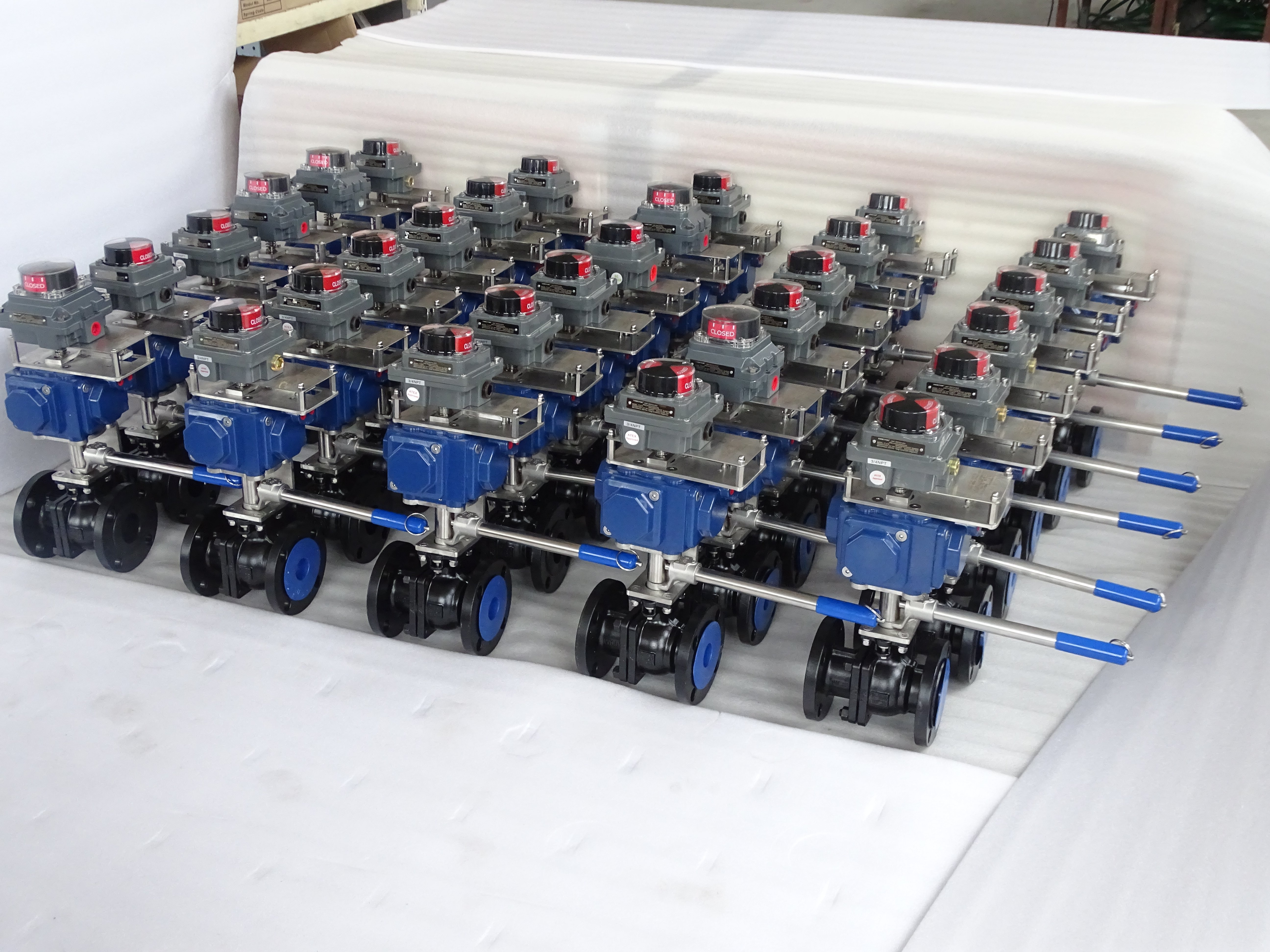 Carbon steel fire-safe valve FSV series with limit switch. Source: THINKTANK
An effective selection guide
When selecting a fire safety valve for a data center fuel system, the question should not stop at size and pressure class. A practical engineering evaluation should consider several key factors:
- Valve function: confirm whether the valve should automatically shut off or open based on ambient temperature and installation location, such as cutting off diesel supply or opening a return line
- Trigger mechanism: verify that the valve uses a fusible link thermal release mechanism
- Fusible temperature: ensure the release temperature matches site risk assessment and project design requirements
- Valve body: select a valve body suitable for fuel service and designed with fire-safe characteristics
- Pressure class: match the valve rating to actual operating conditions rather than relying only on general project standards
- Installation point: define where protection is required, such as tank outlets, generator fuel lines, day tank connections or other fire-critical locations
- Fail action: confirm the valve remains normally open during operation and automatically closes after thermal activation
- Certification scope: understand whether certification applies only to the trigger element or also includes valve body fire-safe performance
- Project compliance: verify compliance with project requirements such as API 607, ATEX, PED, UL/FM or other relevant standards
The THINKTANK advantage
THINKTANK treats the fire safety valve as a critical safety node. Over the past years, the company has not only supplied fusible link fire safety valves, but also continued to organize their engineering understanding around them: where they are used, how they work, what structural forms exist, how certification should be understood and where engineers often confuse product function with marketing language. THINKTANK’s published technical material covers:
- Typical applications
- Product types
- ATEX and PED compliance
- API 607 fire testing
- Difference between a standard FSV solution and a full FM thermal shut-off assembly
The discussion should begin with function instead of label. A fire safety valve should be selected because the point in the system requires thermal automatic shut-off under fire conditions. Once that is clear, the right combination of trigger mechanism, valve body fire performance and project compliance can be defined correctly.
In the data center market, THINKTANK has built a clear position around fusible link valves. They emphasize UL/FM-related project requirements and API 607 fire-safe performance where applicable. A technical comparison between FSV and FM thermal shut-off solutions further defines the product from an engineering perspective, focusing on thermal shut-off function, valve body fire integrity, compliance logic across different standards, as well as practical considerations such as lead time and cost-efficiency for EPC and procurement teams.
This is not just a valve with a fusible part attached; it is a safety-function product that sits at the intersection of:
- fuel system design
- fire response logic
- certification understanding
- EPC execution risk
Conclusion
In data center fuel systems, the wrong valve is rarely selected because engineers do not know how to read a datasheet. More often, it is selected because the point in the system is treated as a normal isolation point, when in fact it is a fire-critical safety point.
A standard pneumatic ball valve may be perfectly suitable in many parts of a fuel system, but where the design intent is automatic thermal shut-off under fire exposure, it cannot replace a proper fire safety valve. Once data center projects scale up under AI-driven demand, that becomes even more important.
For that reason, THINKTANK positions this critical component as one of the most easily overlooked — but most important — safety nodes in the fuel system.
THINKTANK continues to support EPCs and system designers in evaluating these fire-critical valve positions with a more function-oriented approach.