Hemp-based thermoplastic emerges as a greener option for plastic packaging
Marie Donlon | May 04, 2026Researchers from the University of Connecticut have created a non-toxic plastic alternative derived from the hemp plant — which is a non-psychoactive type of cannabis — for packaging applications.
The team developed a stretchy, hemp-derived thermoplastic that is capable of extending up to 1,600% of its size. Thanks to material’s high "glass transition temperature", the plastic alternative can stay dry and durable when it comes into contact with boiling hot water.
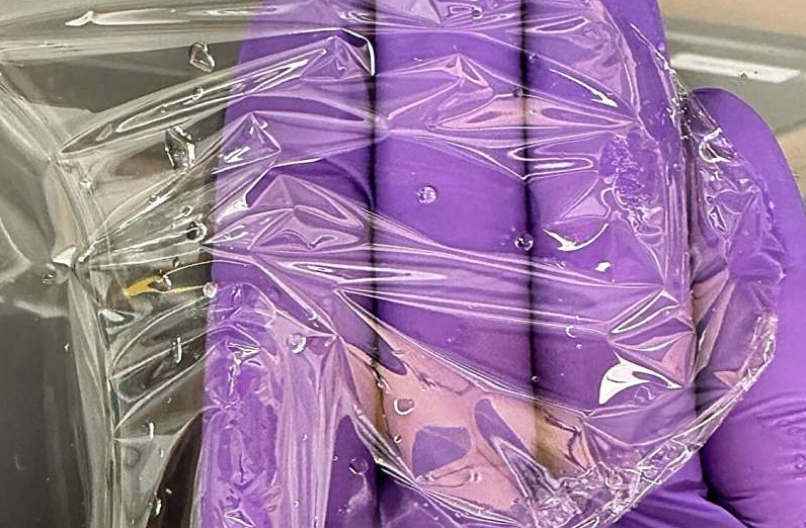 Source: Gregory A. Sotzing
"Very few, if any, plastics made from natural resources have this quality," the team noted. "Current day polycarbonate is made from bisphenol-A, a known endocrine disruptor. The hope here is that cannabidiol (CBD) can take the place of bisphenol-A found in today's processed plastics," the team noted.
According to its developers, the hemp-derived material is appropriate for creating transparent plastic films, coatings and other materials currently composed of petroleum-based materials such as polyethylene terephthalate (PET), which is commonly used in the making of single-use water bottles, food packaging and substrates for flexible electronics.
Such applications typically require medium- to high-temperature stability and melt processability —otherwise known as the ability to melt, deform and shape a material easily. The team reportedly achieved this in a hemp-based polycarbonate for the first time.
The team demonstrated that CBD-based polycarbonates could function as sustainable alternatives to common plastics like PET, with a processing approach that maintains manufacturability while improving material performance. The team also found that the material can be used to produce highly water-repellent films, thereby exceeding the water resistance of many conventional plastics.
The work is detailed in the article, “High Molecular Weight Hemp-Derived Poly(Cannabidiol Carbonate) Thermoplastic with PET-Like Heat Resistance, Strength, and Processability,” which appears in the journal Chem Circularity.