Polymer Is Created Using CO2 and Orange Waste
Riia O’Donnell | July 06, 2016Using two waste materials, CO2 and orange peels, researchers at the University of Bayreuth in Germany have created a biodegradable polymer that is aromatic and has antibacterial properties.
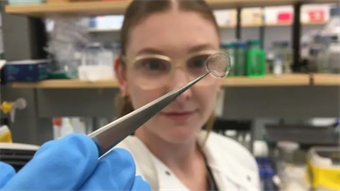
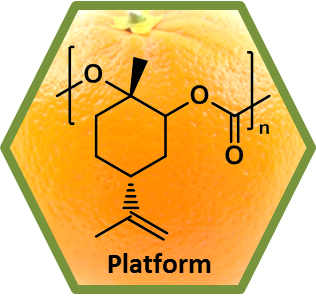 An aromatic, biodegradable polyester has antibacterial properties. Image source: University of Bayreuth PLimC, or poly(limonene carbonate), can be used in a variety of polymer applications and is created through a synthesis of limonene, an extract removed from waste orange peels, and carbon dioxide. The resulting material does not contain bisphenol A, unlike conventional polycarbonates. It shows strong mechanical properties that may make it suitable for industrial applications: rigidity, heat-resistance and transparency. Because it is clear, it also could be suitable as a material for coatings.
PLimC has one double bond per repeating unit. This can be used for additional chemical modifications, to tune the properties in almost any direction. The development team has demonstrated that the material is a green platform polymer, from which functional materials may be derived. The researchers have used it in the transformation from an engineering thermoplastic into a rubber; added permanent antibacterial properties; and added hydrophilization and pH-dependent water solubility of the polycarbonate. Additionally, they have developed a synthetic route to yield a completely saturated counterpart that holds improved heat processability due to lower reactivity.
An antibacterial version of the material could be used in medical applications to prevent the accumulation of E-coli bacteria, as well as in containers used in treatment facilities to reduce the risk of infection. A sea water-soluble version could be used for bottles, bags, or containers to diminish the negative impact of plastic use on the ecosystem.