Bee glue compound stops raised scars before they form
Marie Donlon | May 05, 2026Researchers at the University of the Sunshine Coast have discovered a natural compound derived from Australian bees for sealing their hives that promises to help prevent scarring in human skin after surgery, injury and burns.
With the potential to help deter scarring that ranges from shallow and cosmetic to deep and debilitating — known as hypertrophic — the compound was discovered in propolis produced by the native stingless bee Tetragonula carbonaria, commonly known as the sugarbag bee.
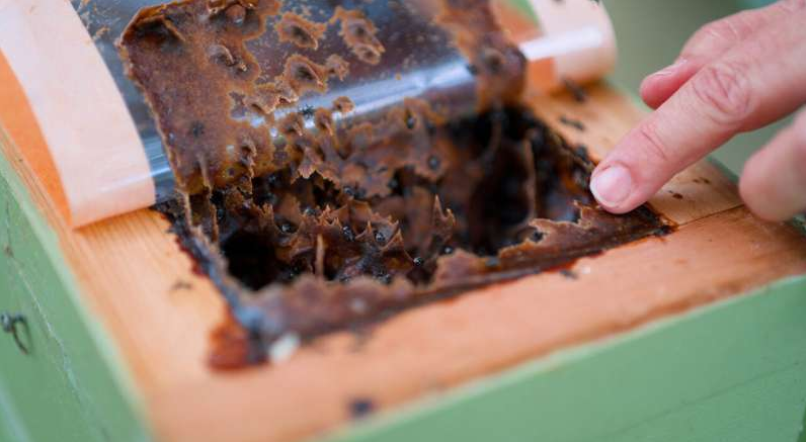 Source: University of the Sunshine Coast
The team explained that propolis, which is a sticky mix of plant resins, beeswax, essential oils and pollen used for nest construction, predator deterrence and protection against bee pathogens, can be scraped from hives by beekeepers.
Once the compound, called tomentosenol A, was extracted from South East Queensland propolis, it was injected into human cells grown in culture plates.
"The compound not only blocked the signals that were causing scarring, it also encouraged the scar-forming cells to self-destruct. This is what occurs in normal wound healing," the team explained. "Existing treatments such as corticosteroid injections, scar correction surgery, pressure garments and silicone sheets can have limited effectiveness, so there's an urgent need for new treatments that are more consistently effective, accessible and tolerable—and directly target the underlying causes."
Through their work, the team found that nine propolis types show strong antioxidant activity, suggesting sugarbag bees could potentially support new health products across multiple industries.
An article detailing the material, “Defining signalling pathways to characterise a novel anti-fibrotic agent,” was written by the team from the University of the Sunshine Coast, Queensland.