Fungus converts discarded mattresses into eco-friendly building insulation
Marie Donlon | February 18, 2026Researchers at Swinburne University in Australia are turning old mattresses into building materials using fungi.
To keep the bulky polyurethane foam material found in mattresses from the landfill, the team is using Penicillium chrysogenum — which is a common fungus and close relative of the mold used to produce penicillin — to knit shredded foam.
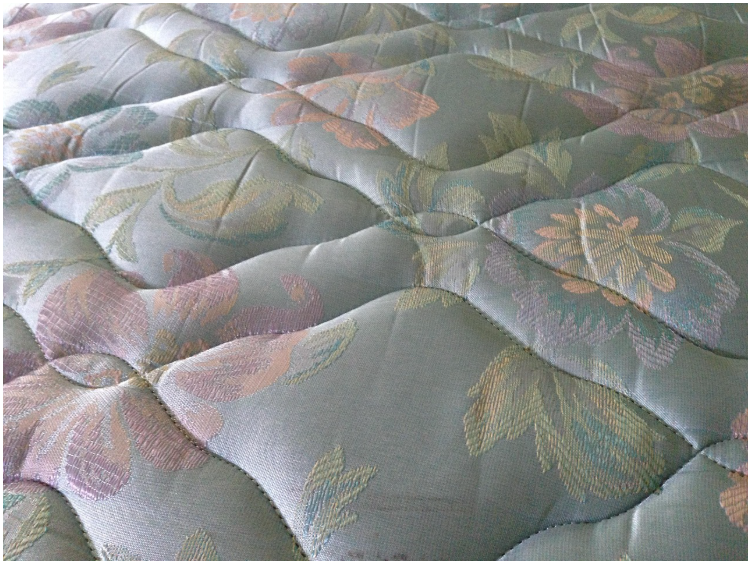
“Mattresses are durable, bulky, and often end up in [a] landfill. Through natural biological processes, we can give this waste a second life,” the researchers explained.
As such, the team took discarded foam, shredded it and injected it with fungal spores. When the fungi grew, the team explained that their root-like structures, dubbed mycelium, served as a natural biological glue through a biological bonding process that creates natural mineral compounds, and subsequently transformed bulky landfill waste into high-performance insulation that can withstand extreme temperatures up to 1,832° F.
Through this process, the team created a lightweight, solid material that can function as an insulator, with its heat-blocking capabilities similar to already available commercial insulation products.
“The approach is both practical and environmentally responsible, using fungus that is closely related to strains used in food production and medicine, and relying on common, widely used chemicals,” the researchers added. “Our work shows how combining biology with waste materials, while leveraging deep manufacturing science, can lead to smart, low-impact solutions that better the environment and the lives of everyone.”
The findings were published in the article, “Upcycling end-of-life mattresses into sustainable insulation materials through development of mycelium based biocomposites,” which appears in the journal Scientific Reports.