Graphene-based coatings promise a greener substitute for biocides
Marie Donlon | January 20, 2026A team of researchers from the FACET research group at the Norwegian University of Science and Technology’s (NTNU's) Department of Materials Science and Engineering is eyeing graphene, which is a single layer of carbon atoms, as a potential substitute for the toxic chemicals currently used to treat hull fouling on boats.
Considered a significant challenge for the maritime industry, marine biofouling consists of assorted living organisms — including microorganisms, algae and shells — that adhere to parts of boats below the waterline, thus increasing water resistance, fuel consumption and maintenance costs. Consequently, boat owners tend to remove their boats from the water once a year to clean the hull and remove biofouling using toxic biocides that threaten the environment.
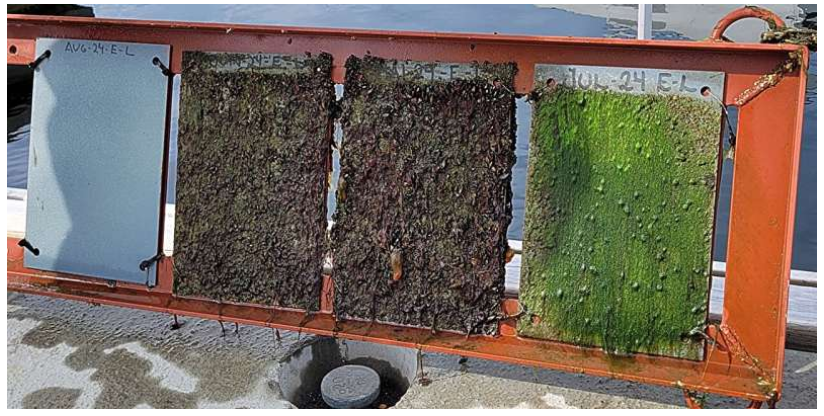 Source: Michael Kelly, NTNU
However, the team suggests that graphene-based polymer nanocomposite coating could offer a more environmentally friendly alternative as it is both durable, less toxic than biocides as well as a proven anti-fouling agent.
As such, the team examined the impact of combining graphene, graphene oxide and metal oxide nanoparticles with epoxy and silicone to prevent fouling and the formation of biofilm in both the laboratory and in the sea.
"The findings show that graphene nanomaterials prevent fouling not primarily by being chemically toxic, but by physically damaging cells upon contact with the material," the researchers concluded.