Liquid metal framework heals bones while fighting infection
Marie Donlon | November 10, 2025A liquid metal bone scaffold capable of killing bacteria and boosting healing without antibiotics has been developed by researchers from Flinders University.
In addition to combatting infections, the metallic material is described by its developers as significantly more biocompatible with bones, which could potentially expedite healing and device longevity following orthopedic surgery.
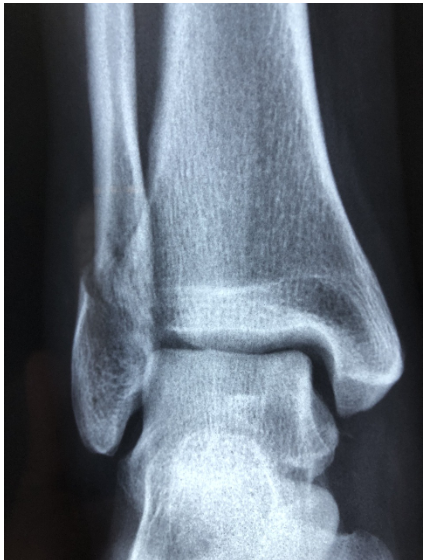
“This new 3D bioceramic scaffold embedded with silver-gallium (Ag-Ga) liquid metal nanoparticles offers a dual-function biomaterial that simultaneously combats persistent infection and promotes bone regeneration,” the researchers explained. “In our latest research we show our scaffolds significantly reduce bacterial colonization at implant sites and promote healthy bone integration, confirming both antibacterial efficacy and regenerative capability in a physiologically relevant setting.”
The researchers suggest that this is reportedly the first instance of integrating liquid metal-based nanomaterials into a load-bearing, bioactive ceramic scaffold.
In contrast to conventional antibiotic-loaded materials, which rely on burst release, the scaffold offers sustained, localized antimicrobial protection while also encouraging bone healing.
To create the liquid metal-based bioceramic scaffold, the team integrated Ag-Ga nanoparticles into hydroxyapatite, thus achieving a combination of antimicrobial activity and bone-regenerative function.
This solution promises to create a new bone repair material that prevents infection without the need for antibiotics, while simultaneously enhancing tissue integration and healing.
In the lab, the material proved effective against a range of clinically significant pathogens, such as Staphylococcus aureus, methicillin-resistant S. aureus (MRSA), Pseudomonas aeruginosa and small colony variants, which are slow-growing, antibiotic-resistant bacterial subpopulations linked to chronic and recurring infections.
Future applications for the material could range from antimicrobial bone fillers and spinal fusion materials to 3D-printed scaffolds for cancer-related bone loss, diabetic foot and other high-risk infections, according to the Flinders' team.
An article detailing the work, “Multifunctional Hydroxyapatite Coated with Gallium Liquid Metal-Based Silver Nanoparticles for Infection Prevention and Bone Regeneration,” which appears in the journal Advanced Functional Materials.