Vacuum and abatement solutions for the semiconductor industry
August 29, 2025Why are vacuum pumps in the semiconductor industry so specialized?
Vacuum levels in the semiconductor industry must be precisely selected based on the specific application, tool type and process recipe. Each deposition and etching process — such as ALD, PECVD, CVD and PVD — requires a controlled vacuum level and pressure, as well as compatibility with various process gases.
What makes the vacuum environment unique in the semiconductor industry?
In the semiconductor industry, vacuum environments must comply with stringent clean room standards. All components, including vacuum pumps, are required to meet highly specific industry regulations.
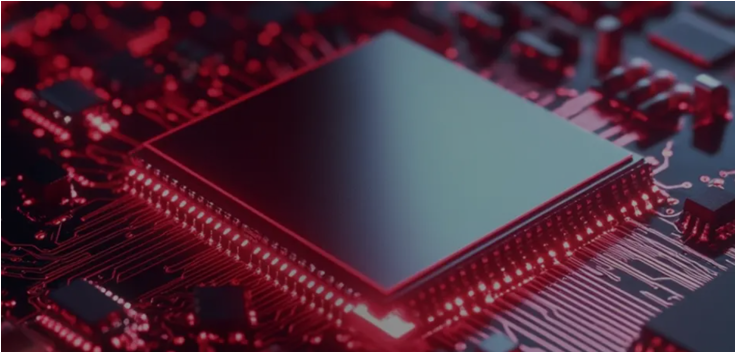 Figure 1: Vacuum levels in the semiconductor industry must be precisely selected based on the specific application, tool type and process recipe. Source: Pfeiffer
How do vacuum pumps support silicon wafer production?
Vacuum pumps play a critical role in maintaining the ultra-clean environments required for semiconductor processes such as deposition, etching, PVD, lithography, plasma etching and ALD. By ensuring stable vacuum conditions, they help prevent particle contamination and enable the high precision needed for wafer manufacturing.
Vacuum is essential across all wafer technologies — from traditional silicon to advanced materials like silicon carbide (SiC) and gallium nitride (GaN).
Vacuum technology for the semiconductor industry
The semiconductor industry drives technological progress, influencing daily lives through devices such as smartphones and AI. Central to these innovations are microchips — tiny yet incredibly complex components that require highly precise and contamination-free manufacturing environments.
Advanced vacuum technology is crucial to maintaining the contamination-free environments required in semiconductor fabrication
Semiconductor fabrication is among the fastest-evolving industries, demanding ever higher performance, advanced technology and sustainability. Advanced vacuum technology is crucial to maintaining the contamination-free environments required.
With nearly 40 years of expertise, Pfeiffer Vacuum+Fab Solutions offers a wide and high-quality portfolio, serving the entire semiconductor manufacturing process — from vacuum chambers to abatement systems. As a one-stop supplier of vacuum and fab solutions, Pfeiffer has a deep understanding of semiconductor industry challenges. Pfeiffer is the right partner to create innovative products that support semiconductor actors in their wafer fabrication challenges. Their role is to connect the dots through product synergies and provide tailored solutions to ensure high yield, reduce energy consumption and minimize carbon footprint.
Range of vacuum and abatement solutions from Pfeiffer
The UltiDry multi-stage dry vacuum pump combines robustness and low energy consumption, even under harsh conditions. It has been engineered to enhance powder management, handle high inlet flows and withstand corrosive gases.
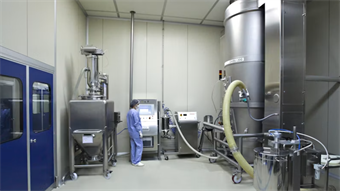
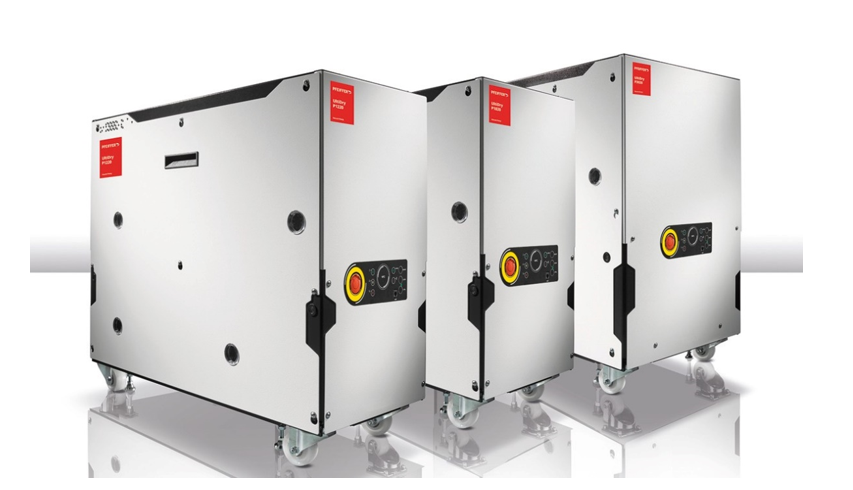 Figure 2: The high-temperature thermal abatement system on display combines the wide process coverage of flame abatement with the fuel-free aspects of plasma abatement. Source: Pfeiffer
The high-temperature thermal abatement system on display combines the wide process coverage of flame abatement with the fuel-free aspects of plasma abatement. It features low operating costs and secondary emissions and is capable of destroying the molecular process gas NF3 at class-leading levels with extremely low NOx. This system provides a sustainable solution with a minimal carbon footprint for chemical vapor deposition (CVD) and metal-etch processes.
Vacuum applications in semiconductor manufacturing
Semiconductor fabs consist of multiple levels, and Pfeiffer products support three key areas to ensure reliable chip manufacturing: At the top, the clean room maintains ultra-low particle levels for wafer processing. Below, the sub-floor hosts utilities essential for clean room function. At the bottom, the basement (sub-fab) houses vacuum pumps, gas treatment and many more systems crucial for process stability, safety and environmental control.
 Visit the Pfeiffer website for more information.