High-precision sensors for equally high-precision machine tooling
August 12, 2025In the demanding world of modern manufacturing, machine tools are constantly pushed to achieve unprecedented levels of precision and productivity. These high-performance machines are designed to operate with micrometer-range accuracies. However, even the most advanced machine can fall short if a critical component — the tool itself — is not correctly positioned. An incorrectly clamped tool can lead to significant machining errors, compromised workpiece quality or even severe machine damage.
To meet the ever-increasing demands for precision and availability, machine tool companies are turning to advanced sensing solutions like Micro-Epsilon's induSENSOR LVP series, which provides continuous and reliable monitoring of the clamping position.
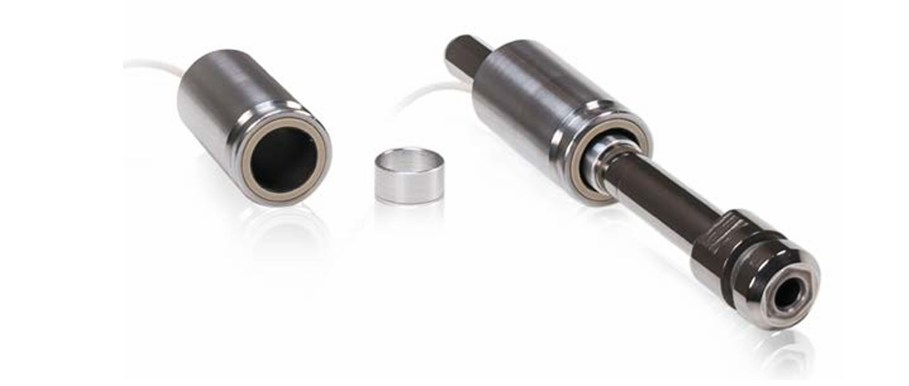 Figure 1. Micro-Epsilon's induSENSOR LVP series offers precise monitoring of the clamping stroke in tool spindles. Source: Micro-Epsilon
Measuring principle
Traditionally, monitoring the clamping position in machine tools often relied on initiators and switching rings. While these components provide a basic switching signal, they come with significant drawbacks, primarily the need for complex and time-consuming mechanical adjustments. This not only adds to setup time but also introduces potential points of failure and variability in precision. In contrast, the induSENSOR LVP sensors offer a superior, non-contact and wear-free operation, eliminating the need for such intricate adjustments.
The induSENSOR LVP series employs an innovative inductive measuring principle to directly and continuously monitor the clamping stroke of the drawbar. The sensor itself is cylindrically shaped and compact, allowing for direct integration into the release device of the clamping system. For measurement, a simple ring, glued onto the drawbar, acts as the measurement object for the non-contact sensor. As the drawbar moves during the clamping process, the sensor provides an analog signal that corresponds to this stroke movement.
This analog output is a crucial differentiator, enabling continuous monitoring of the clamping position without the need to mechanically set switching points. This eliminates a time-consuming and labor-intensive step, significantly streamlining operations and ensuring consistent accuracy.
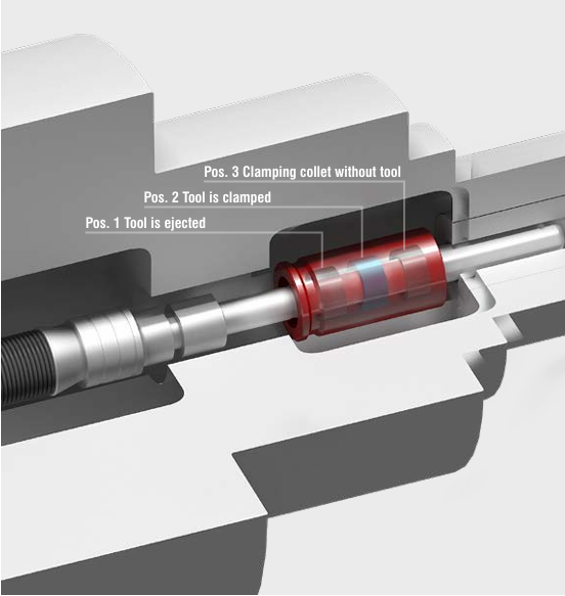 Figure 2. The compact size of the induSENSOR LVP series' cylindrical sensors allows them to be integrated directly into the release device of the clamping system. Source: Micro-Epsilon
Advantages
The advantages of the induSENSOR LVP extend beyond its measurement principle. Its compact design is ideal for the confined installation spaces within machine tools. The wear-free nature of the inductive measurement method contributes to a longer service life, reducing maintenance and replacement costs. Furthermore, these sensors boast high resolution and repeatability, critical for achieving maximum process reliability in precision machining. Their robust IP67 design ensures reliable operation even in demanding industrial environments characterized by high ambient temperatures and significant vibration. The sensors' high temperature stability also contributes to their reliability across varying operating conditions. Thanks to their extremely compact sensor design, the LVP sensors can be universally used with a wide variety of tool types.
Specifications
The LVP-25-Z20 and LDR-14-Z20 sensors are engineered for monitoring the clamping position in machine tools. These models offer measuring ranges of 25 mm and 14 mm, respectively. They provide high resolution; for example, the LVP-25-Z20 offers a resolution of 6 µm at 50 Hz and 12 µm at 300 Hz. With a protection class of IP67, these sensors are well-suited for industrial use.
Constructed from stainless steel and PEEK, they are built for durability. The sensor electronics, also miniaturized, can be conveniently accommodated either directly at the point of measurement or within the control cabinet. The induSENSOR LVP sensors are compatible with various Micro-Epsilon controllers, such as MSC7401, MSC7802 and MSC7602, which offer analog or digital interfaces for seamless connection to the machine control system. For large-scale integration, the sensors offer an excellent price-performance ratio, and modifications to measuring ranges, electronics and sensor design can be implemented to suit series applications.
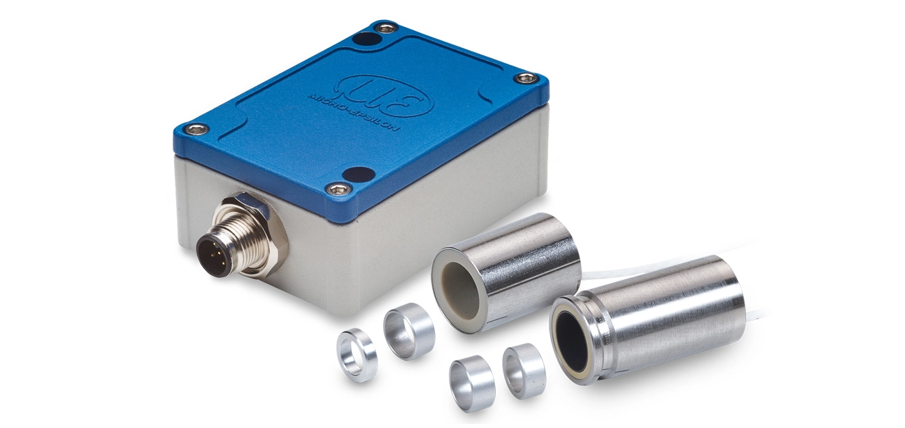 Figure 3. The sensors are compatible with various controllers equipped with analog or digital interfaces. Source: Micro-Epsilon
Micro-Epsilon
The relentless pursuit of precision in machine tools necessitates equally precise monitoring solutions. While traditional methods of clamping position monitoring present limitations, Micro-Epsilon's induSENSOR LVP series offers a significant leap forward. By providing continuous, wear-free and highly accurate displacement measurement of the drawbar stroke, these sensors enable real-time insights into the clamping position. This eliminates the need for complex mechanical adjustments, reduces the risk of machining errors and damage, and ultimately contributes to faster, more precise and higher productivity in machine tool operations.
For machine tool companies striving for the highest levels of accuracy and reliability, the induSENSOR LVP represents an indispensable component in their quest for manufacturing excellence. Contact Micro-Epsilon today to learn more.