Precision in motion: Vlier LMS anti-vibration levelers
August 01, 2025In high-performance industrial environments, uncontrolled shock and vibration can compromise precision, damage sensitive components and shorten equipment life. For design engineers and manufacturing professionals, these factors translate directly into downtime, product variability and increased maintenance costs.
Vlier LMS anti-vibration levelers provide an advanced solution. Engineered to control vibration and absorb shock, the LMS product line helps protect critical systems while maximizing precision and throughput. With more than 80 years of proven performance, Vlier continues to support industries where stability and consistency are mission-critical.
Learn more, request a quote or find a distributor on the Vlier website.
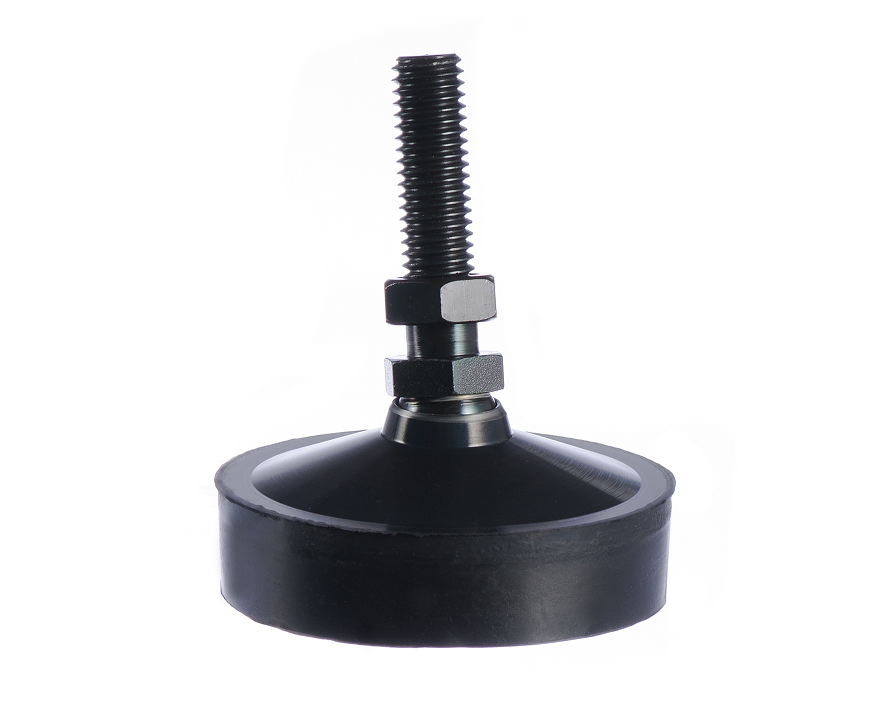 Figure 1: The LMS product line helps protect critical systems while maximizing precision and throughput. Source: Vlier
Why vibration control matters
Vibration is an inherent result of mechanical operation. It can originate from unbalanced loads, dynamic motion or environmental factors such as floor resonance. If left unmanaged, vibration leads to:
· Mechanical wear and component fatigue
· Electronic connector and circuit damage
· Hydraulic leaks and failures
· Excess noise generation
· Floor and foundation deterioration
Shock, defined as sudden and transient acceleration, creates similar risks. In high-precision environments, even brief shock events can degrade process accuracy or damage delicate instrumentation.
Vlier LMS: The anti-vibration advantage
Vlier LMS anti-vibration levelers are frequency-tuned, swivel-style leveling devices that deliver unmatched control over shock, vibration and noise. The LMS design integrates a robust molded rubber isolator to a metal base, ensuring durable performance even in demanding industrial conditions.
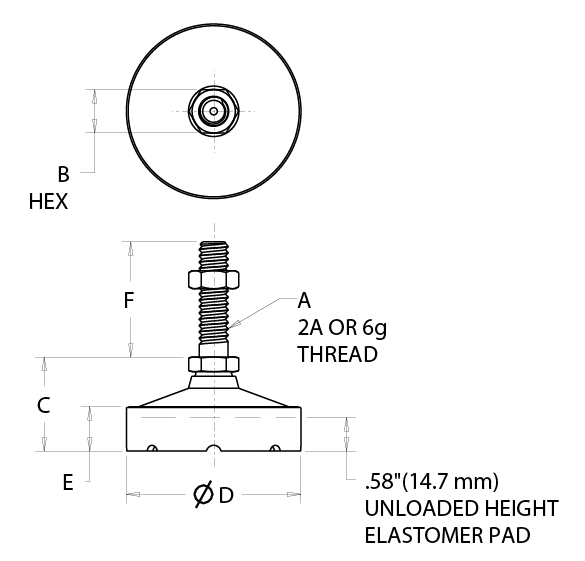 Figure 2: A leveler diagram. Source: Vlier
Key performance features include:
· Natural frequency range — 10 Hz to 21 Hz for effective low-frequency isolation
· Transmissibility at resonance — 8:1 ratio for superior shock attenuation
· Uniform radial stiffness — Provides consistent support and maximum stability
· Three-inch radial ring pad — Offers compact stability in constrained environments
These specifications allow LMS levelers to effectively reduce transmitted forces from both the equipment side and the support structure, depending on application needs.
How LMS levelers work
Vlier’s LMS isolators operate between three basic system elements:
· The equipment — motor, instrumentation and automation system
· The support structure — floor, machine base, bench or platform
· The isolator — the LMS leveler, acting as a resilient interface
If the equipment generates vibration, the LMS minimizes the transfer of forces to the floor. If the floor or structure vibrates, the LMS protects the equipment from those disturbances.
By temporarily storing mechanical energy and releasing it in controlled intervals, LMS levelers reduce the severity of dynamic impacts. This reduces deflection during operation, preserving accuracy and consistency in high-precision applications.
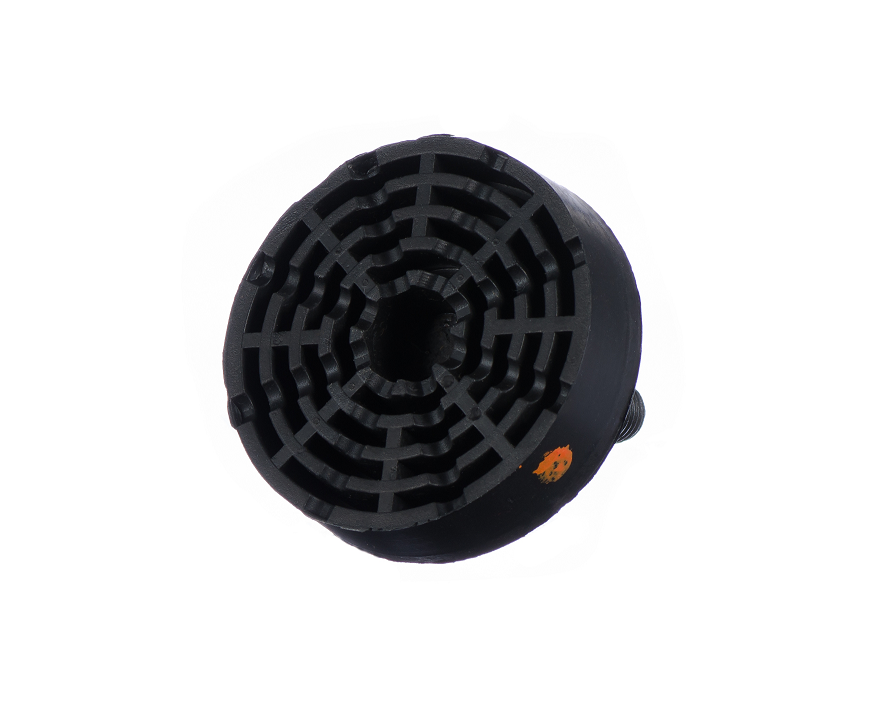 Figure 3: Vlier LMS levelers are trusted by engineering teams across a range of industries. Source: Vlier
Applications across industries
Vlier LMS levelers are trusted by engineering teams across a range of industries where vibration isolation is essential. Common uses include:
· Data storage systems — Protecting sensitive hardware from floor resonance and dynamic shock
· Medical devices — Stabilizing imaging equipment and large diagnostic machinery
· Electronic manufacturing — Isolating SMT lines and PCB assembly stations from external vibration
· Industrial workstations — Maintaining consistent operation in automated production lines
· Semiconductor fabrication — Preserving micron-level precision in cleanroom environments
· Automation production systems and robotics — Providing fine-tuned leveling control, vibration isolation and load distribution for exact positioning and system integrity
Engineered for durability
LMS levelers are constructed with corrosion-resistant steel and a molded rubber-to-metal bond for long-term performance. Operating temperatures range from -20° F to 180° F (-30° C to 82° C), making the LMS suitable for diverse environments.
For specialized use cases, Vlier offers customizable LMS configurations. Engineers can adapt dimensions, load ratings and material options to meet specific process requirements.
Proven performance, trusted reliability
Precision demands stability. Whether supporting automated production systems, laboratory instrumentation or medical equipment, Vlier LMS anti-vibration levelers deliver consistent performance over time. They help reduce downtime, extend component life and maintain throughput in critical manufacturing processes. Vlier is ISO 9001 Certified and AS9100 Certified.
See LMS levelers in action
Understanding vibration control is easier when it can be seen in operation. Watch the accompanying levelers video featuring the LMS to learn how the system performs in real-world conditions (note: the LMS makes its appearance exactly one minute in).
Take the next step
Learn more, request a quote or find a distributor on the Vlier website. Vlier’s engineering team is available to assist with product selection and customization