MIT uses AI to discover 19 materials that could replace cement
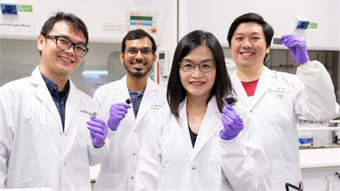
Marie Donlon | June 17, 2025Researchers from the Olivetti Group and the MIT Concrete Sustainability Hub have created a machine learning artificial intelligence (AI) algorithm that helps to identify alternatives for cement.
While seeking out alternatives to reduce the amount of cement used in the making of concrete, thereby saving on costs and cutting emissions, the researchers developed the algorithm.
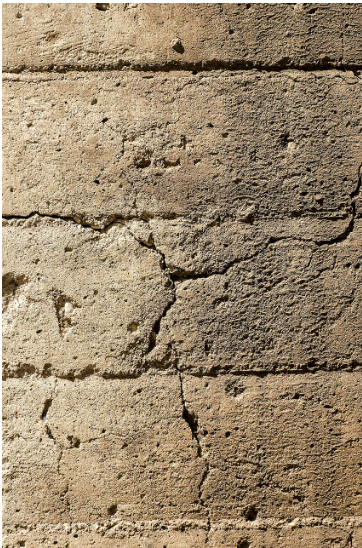
The team concluded that AI was essential for progress, given the staggering amount of data on potential materials — spanning hundreds of thousands of pages of scientific literature. Manually analyzing it all would have taken lifetimes, during which even more materials would have emerged.
The team explained that the AI algorithm can reportedly sort through several material alternatives, evaluate them according to their material and chemical properties and choose the one that promises to perform best.
“First, there is hydraulic reactivity. The reason that concrete is strong is that cement — the ‘glue’ that holds it together — hardens when exposed to water. So, if we replace this glue, we need to make sure the substitute reacts similarly. Second, there is pozzolanicity. This is when a material reacts with calcium hydroxide, a byproduct created when cement meets water, to make the concrete harder and stronger over time. We need to balance the hydraulic and pozzolanic materials in the mix so the concrete performs at its best,” the researchers explained.
The team discovered that particular materials are more globally available and can be incorporated into concrete mixes by grinding them, which means saving on both costs and emissions, and without the need for much additional processing. The team noted that ceramics could be such an alternative material, stating that old tiles, bricks and pottery — for instance — all have high reactivity.
The team intends to update the framework and make it capable of assessing even more materials, while validating the best candidates simultaneously.
The findings are detailed int he article, "Data-driven material screening of secondary and natural cementitious precursors," which appears in the journal Communications Materials.