Hydrogen-Electric System Used to Power UAV
By Engineering360 News Desk | March 03, 2016The Scottish Association for Marine Science (SAMS) has completed a test flight of an unmanned aerial vehicle (UAV) powered by a lightweight hydrogen-electric system that could enable longer flight times than those available from current technologies.
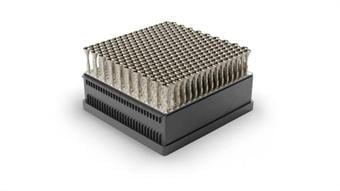
The system is based on a solid, lightweight hydrogen storage material developed by Cella Energy that is capable of releasing large quantities of hydrogen when heated. A gas generator using this material, when combined with a fuel cell, creates electrical power while weighing considerably less than a lithium ion-battery.
Cella is designing larger versions of the system that will have three times the energy of a lithium-ion battery of the same weight, according to the company's managing director, Stephen Bennington. Ultimately, the company says, the technology could be applicable in sectors ranging from emergency services to companies wanting to survey or map their infrastructure, such as a gas pipeline or wind farm.
 Lightweight power could enable long-duration UAV flights, such as for climate monitoring. Image credit: Cella Energy.“Clean and dependable power in a UAV, such as this hydrogen-electric system, is essential for a range of environmental and climate monitoring, from methane sampling over tundra to CO2 exchange with the oceans," says Phil Anderson, head of marine technology at SAMS. "Lightweight power has been a limitation for aircraft—perhaps not for much longer.”
Cella’s solid-state hydrogen storage technology addresses various issues that surround the transportation of compressed gaseous hydrogen. Its material is a solid, not under compression, and is stable in air and at temperatures below 500 degrees Celsius.
According to the company, Airbus is examining the feasibility of using the hydrogen storage material for aerospace applications and is now investigating its safety, performance and certification requirements.