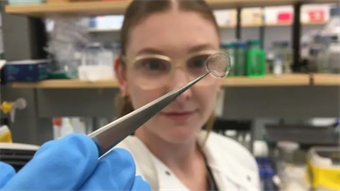
Researchers are 3D printing eyeballs
Marie Donlon | March 20, 2024The new approach is considered, by its developers, faster, more accurate and less expensive than current techniques for manufacturing artificial eyeballs wherein polymethyl methacrylate is shaped into an eyeball using an eye mold and subsequently painted and polished.
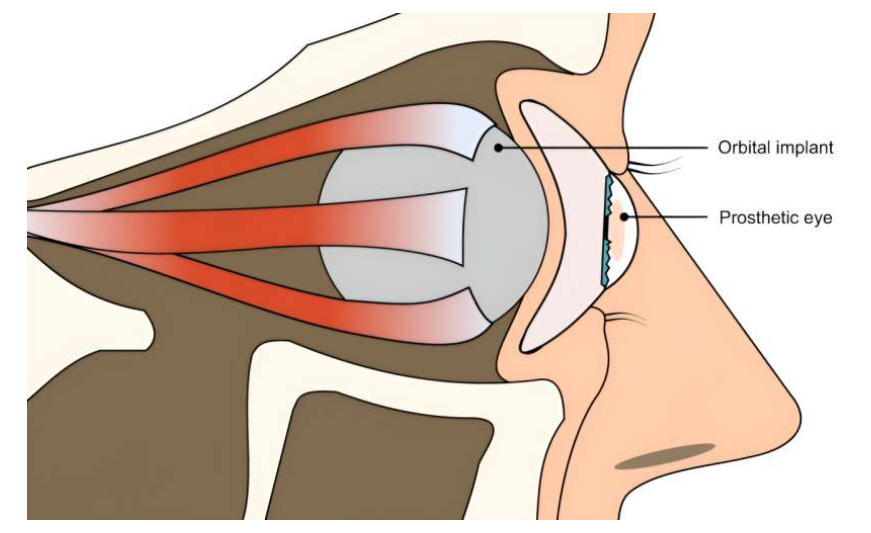 Source: Nature Communications (2024). DOI: 10.1038/s41467-024-45345-5
Further, the current fabrication technique can take around eight hours and tends to be expensive and prone to mistakes.
As such, the team initially sought out a material for use as a printer substrate, eventually settling on a material similar to polymethyl methacrylate. The team then used optical coherence tomography — which is a noninvasive imaging technique that employs reflected light to create pictures of the back of the eye — to scan the empty eye socket.
Those results were then entered into an application that used computer modeling to precisely represent both the eye socket and how the 3D-printed eyeball would interface with a patient's eyelids.
Once the results were determined, the artificial eyeball was printed, polished in a tumbler, washed in an ultrasonic bath and tested for toxicity to the wearer.
To test their method, the team printed 10 artificial eyeballs and gave them to 10 patients. Among these, eight reported a successful look and feel while the remaining two reported issues with the fit of the eyeballs.