First-Ever Aircraft CO2 Standards Developed
By Engineering360 News Desk | February 23, 2016The International Civil Aviation Organization (ICAO) has finalized proposed performance standards for new aircraft that mandate reductions in carbon dioxide (CO2) emissions.
The standards, the first ever to impose binding CO2 reduction targets on the aviation sector, will apply to new aircraft type designs as of 2020 as well as to new deliveries of current in-production aircraft types from 2023. A cut-off date of 2028 for production of aircraft that do not comply with the standards was also recommended.
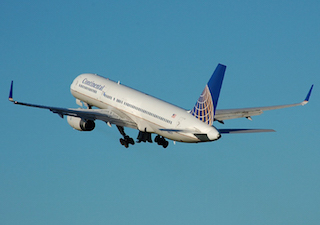 The new standards are most stringent where they will have the greatest impact: larger aircraft. Image credit: Pixabay.According to a policy analysis by the International Council on Clean Transportation, the standards will, on average, require a 4% reduction in the cruise fuel consumption of new aircraft starting in 2028 compared to 2015 deliveries, with actual reductions ranging from 0 to 11%, depending on the maximum takeoff mass of the aircraft.
The White House has projected that, when fully implemented, the standards can be expected to reduce carbon emissions by more than 650 million tons between 2020 and 2040, equivalent to removing over 140 million cars from the road for a year.
The new standards are most stringent where they will have the greatest impact: larger aircraft. Operations of aircraft weighing over 60 metric tons account for more than 90% of international aviation emissions, according to ICAO. They also have access to the broadest range of emissions reduction technologies, which the standard recognizes.
“The goal of this process is ultimately to ensure that when the next generation of aircraft types enters service, there will be guaranteed reductions in international CO2 emissions,” says Olumuyiwa Benard Aliu, president of the ICAO Council. “Our sector presently accounts for under two percent of the world’s annual CO2 emissions, but we also recognize that the projected doubling of global passengers and flights by 2030 must be managed responsibly and sustainably.”