Facility designed to test radwaste solidification solutions
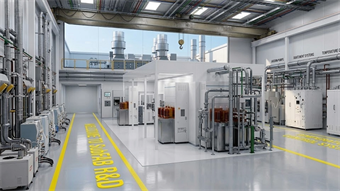
S. Himmelstein | February 05, 2024Rosatom subsidiary NUKEM Technologies has completed the experimental setup for its state-of-the-art in-barrel radioactive waste cementation facility. Processes and equipment for encapsulating various types of radioactive waste into a solid, secure form suitable for long-term storage will be evaluated at the site.
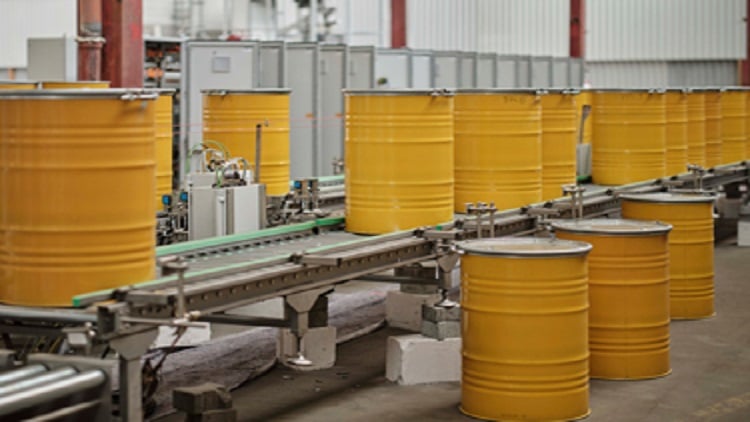 The mock-up of the in-barrel cementation facility. Source: NUKEM Technologies
During the in-barrel cementation process, liquid radioactive waste is enclosed in a 200-l barrel. The end products are externally uncontaminated steel drums containing immobilized waste in a cement matrix. Treatment components include the in-barrel mixer; all necessary drum handling systems such as grippers and roller conveyors; barrel transfer and capping/uncapping systems; dosing system for liquid additives and radioactive liquid waste; a camera system; a filling station for dry material; a tracking system; radioactivity monitoring; wipe test; a weighing system for the barrels; and an overflow sensor.
The automated process minimizes the need for operator intervention and a unique QR code generated for each barrel ensures transparency and traceability throughout the entire process. The hot cell where mixing operations take place features a high-density inflatable pneumatic seal system that prevents leaks during liquid waste pumping and dosing operations. NUKEM Technologies said the in-barrel mixer with its four degrees of freedom ensures a completely homogeneous mixture and excellent product quality in terms of compressive strength and leaching rate for radionuclides in the final cement product.
The entire system, including the in-barrel mixer, roller conveyors and other components, is controlled remotely from a central point, providing operating personnel with real-time insight into the treatment train.