The role of advanced sensor technology in cultivated meat optimization
GlobalSpec News Desk | October 16, 2023Hamilton, a developer of automation technology and analytical process sensors, has unveiled a new application note: "Maximizing Cultivated Meat Productivity Through Advanced In-Line Sensor Technology — Real-Time Viable Cell Density (VCD) Monitoring." With the global demand for meat-based protein projected to reach between 460 billion kg to 570 billion kg by 2050 and innovative companies like Meatable tackling the challenge of perfecting and scaling cultivation, this application note provides timely, actionable information on achieving optimal meat cell growth.
Daniel Egger, global marketing director at Hamilton, emphasized the pivotal role of advanced in-line sensor technology in achieving optimal cell growth conditions during meat cultivation processes: "There are brilliant scientific minds at Meatable and across the cultivated meat industry who have dedicated their careers to creating a sustainable and humane means of meat production. Our cutting-edge sensor technology provides these scientists with the precision process monitoring required to develop cost-efficient culture media and cell culture bioprocesses, as well as to maintain ideal conditions for maximum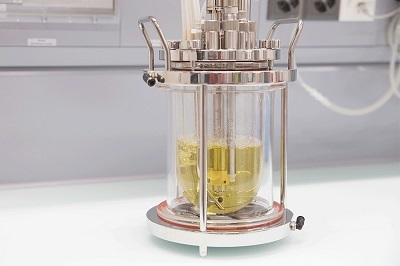 Incyte Arc sensors enable real-time, in-situ measurement of viable cells. Source: Hamilton Company yield during scale-up and scale-out of cultivated meat production."
Hamilton's Incyte Arc Sensor, at the forefront of sensor technology, plays a pivotal role in this technological breakthrough. It delivers real-time measurements of viable biomass, providing continuous and precise data on cell growth rates without any gaps, uncovering potential hidden growth limitations, and empowering scientists to optimize production efficiency while maximizing meat yield. This innovation represents a significant step toward creating a sustainable and humane means of meat production.
The application note highlights critical technical challenges in cultivated meat production and the role of advanced in-line sensors for optimizing critical process parameters, including media formulation and nutrition feed rates, as well as bioprocessing parameters like pH, dissolved oxygen and VCD.
Hamilton product manager Yavuz Çelik emphasized, "Our Incyte Arc Sensor is a critical tool in achieving optimal cell growth conditions during meat cultivation. It not only helps optimize bioprocesses but also ensures product quality and safety, making it a game-changer for the industry."
Hamilton's commitment to advancing the role of high-quality in-line sensor technology in the cultivated meat sector is poised to have a profound impact on the environment. By optimizing cultivated meat production methods, there is potential to reduce traditional meat consumption and save millions of animal lives, ultimately contributing to a more sustainable future.