Mosquito-killing robots deployed to city sewers
Marie Donlon | June 25, 2023A team of scientists from the Taiwan National Mosquito-Borne Diseases Control Research Center sent robots into sewers underneath Kaohsiung city in southern Taiwan to detect and destroy mosquito larvae.
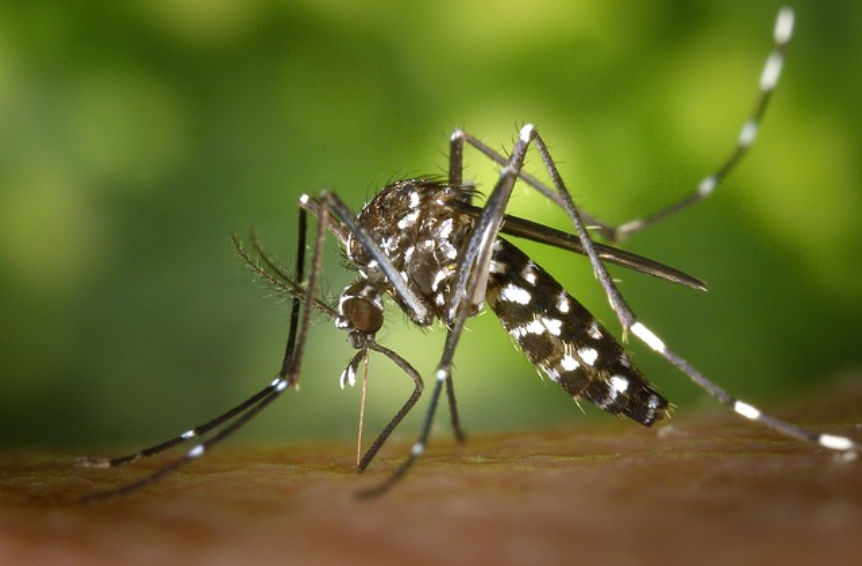
Determining that it is easier to kill mosquito larvae than to kill flying mosquitoes that carry viruses like dengue and zika, the researchers deployed unmanned vehicles underground.
The deployed mosquito-killing robots are outfitted with various tools, digital cameras and LED lights that enable the robots to visualize the sewer environment, locate mosquito larvae in areas of standing water and spray the larvae with insecticide or hot water.
According to the researchers, the wheeled robots, which crawl roughly 16 ft per minute, are designed so that they cannot be easily overturned.
Further, the researchers surveilled mosquito activity by setting up assorted Gravitraps for luring and capturing female mosquito specimens, which were analyzed so as to determine where dengue-positive mosquitoes often gravitate.
An article detailing the efforts, “Use of unmanned ground vehicle systems in urbanized zones: A study of vector Mosquito surveillance in Kaohsiung,” appears in the journal PLOS Neglected Tropical Diseases.