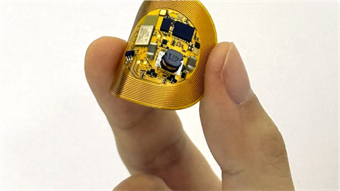
MIT develops smart suture for drug delivery, sensing
Marie Donlon | June 12, 2023Smart sutures, capable of delivering drugs and detecting inflammation at the surgical site, have been developed by researchers at Massachusetts Institute of Technology (MIT).
Inspired by the catgut suture — which was a strong, dissolvable fiber initially used by the Romans thousands of years ago and that was derived from the tissue of cows, sheep and goats — the MIT team developed a strong, absorbable and dissolvable suture derived from pig tissue.
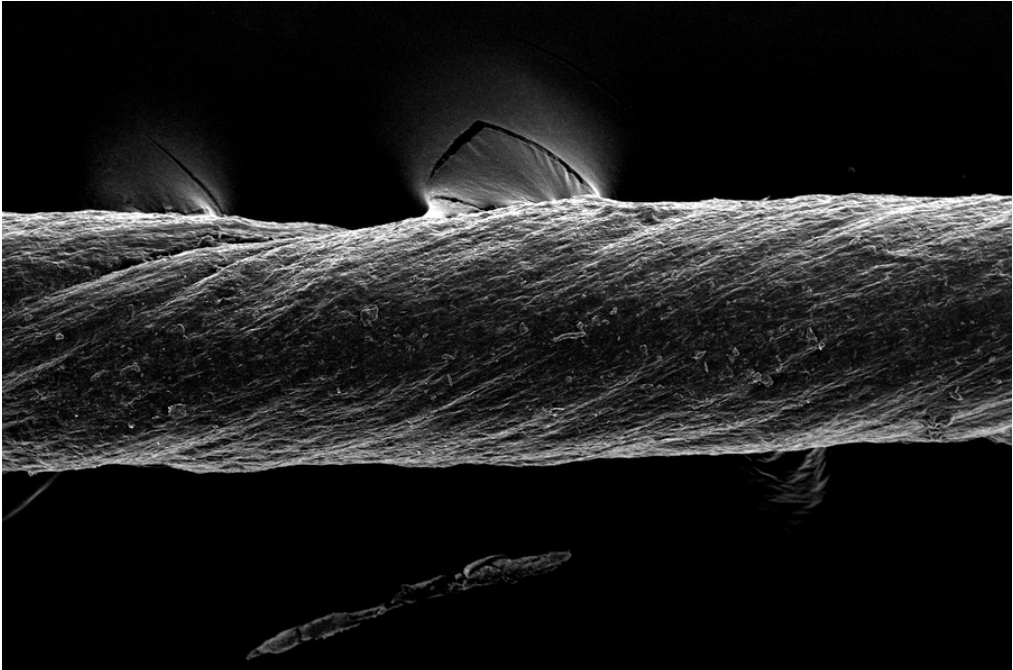 MIT engineers have designed tissue-derived “smart” sutures, pictured here, that can not only hold tissue in place, but also detect inflammation and release drugs. The sutures are coated with hydrogels that can be embedded with sensors, drugs, or cells that release therapeutic molecules. Source: MIT
According to its developers, the suture was developed by “decellularizing” pig tissue, wherein cellular material was removed using detergents and other components, resulting in a cell-free material dubbed “De-gut.”
Once decellularized, the De-gut was coated with hydrogels featuring sensors, drugs and cells that deliver therapeutic molecules directly to the surgical site.
To create the sensors, the team used microparticles coated with peptides and these microparticles reportedly detect inflammation-related enzymes within the tissue.
“What we have is a suture that is bioderived and modified with a hydrogel coating capable of being a reservoir for sensors for inflammation, or for drugs such as monoclonal antibodies to treat inflammation. Remarkably, the coating also has the capacity to retain cells that are viable for a prolonged period,” explained the MIT researchers.
An article detailing the smart suture, "A multifunctional decellularized gut suture platform," appears in the journal Matter.