Quality assurance in fastener assembly
David Wilkerson | December 09, 2021Understanding how quality assurance (QA) manages the testing of fastener assembly is something all companies should know about in the industry. It’s an important part of the manufacturing process that is often overlooked.
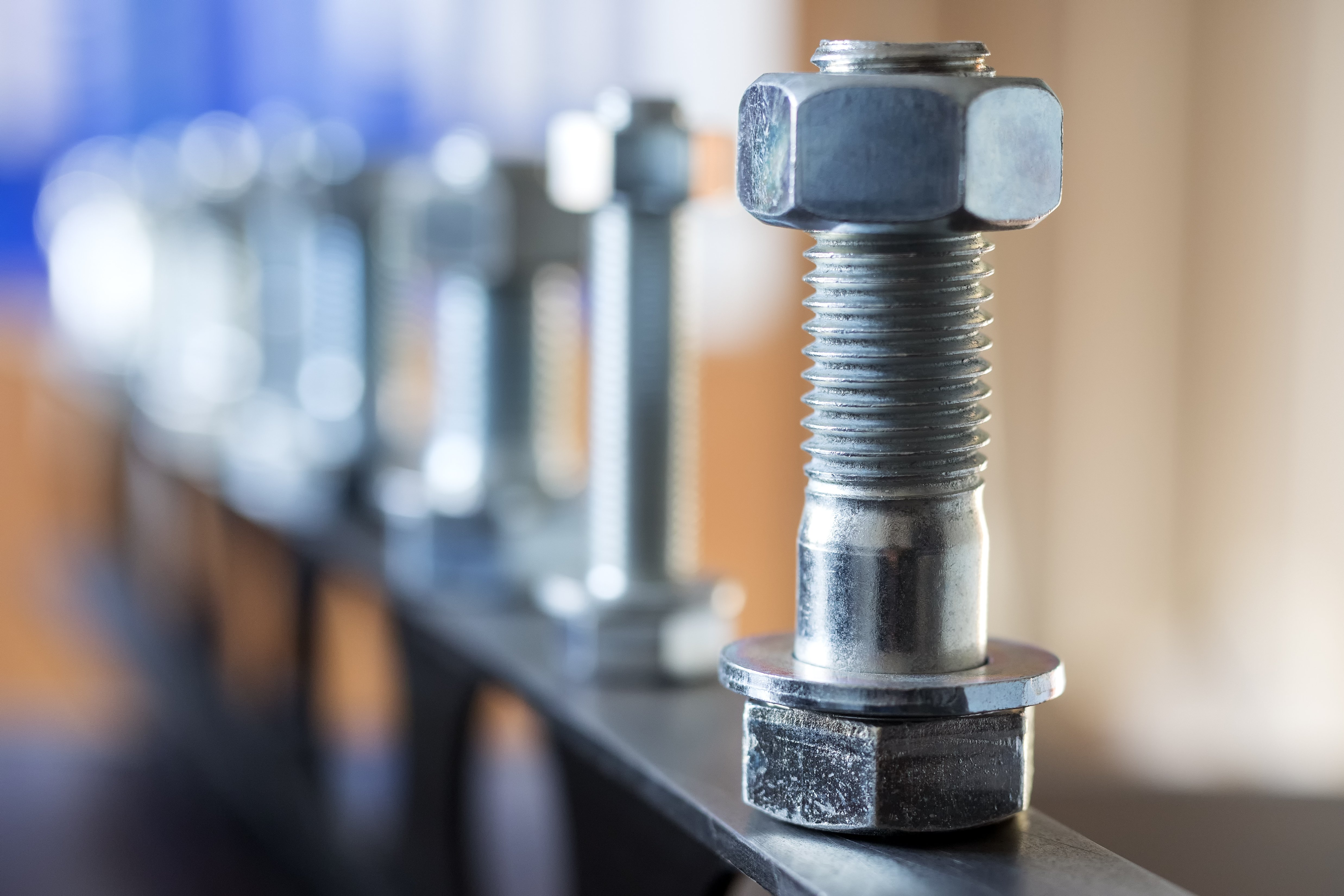 Fasteners have been around for more than 700 years. Source: Adobe stock/Funtay
In order to safely and reliably manufacture bolted joints, ongoing QA testing must happen to help keep costs down and ultimately avoid any recalls. There are many key points to consider when developing a QA testing program with new fastener technologies. As the industry is seeing rapid advancements in fasteners, it is more important than ever for QA teams to provide effective support for workers in every step of the assembly process, as well as maintain safety throughout production.
Historically speaking, fasteners have been around for more than 700 years, with standardization protocols developed for them dating back to the 1930s. The joining methods play a very important part in most industrial assembly processes in one way or another, and there are a few good reasons they have survived for so long. One of the biggest reasons fasteners are still around is that they are the only known joining method that can be released without any destruction afterward, meaning the joining can be used indefinitely. Another significant reason is continuous technological advancements, as fasteners are becoming smaller and lighter all the time, making them a highly versatile part of many assembly processes.
QA teams tend to focus on the safety aspects of the joining process, which can be a major issue in connection with bolted joints. For example, a container of bolted joints can weigh many tons and is usually suspended in the air from a construction crane. This is a huge safety concern as most of the workers will be directly under these containers, and sites are usually full of people. Most of the time these huge containers are entirely held in place by only a few fasteners, making these components a huge safety risk for QA teams and workers in general.
Alternatively, in the automotive industry, bolted joints are used in most of the safety-critical areas of the vehicle, such as the wheels, axles, transmission, doors, brakes, safety belts and even airbags. QA must account for every single one of these components and assess safety risks when implementing them into the manufacturing process. As these technologies evolve, so must the quality control surrounding them and their production.
As robotic automation and cloud systems overtake the manufacturing processes in the aviation, medtech, electrical engineering, construction and wind turbine industries, fasteners will still have a large role in the manufacturing process for a long time to come. As the world moves into Industry 4.0, it is very important for QA teams to stay up to date on all of the newest testing protocols of fasteners and bolted joints.