
More sophisticated voice-copying algorithms successfully fool voice-recognition devices
Marie Donlon | October 31, 2021A team from the University of Chicago has determined that voice-copying algorithms have become sophisticated enough to trick common voice-recognition devices like Amazon Alexa.
With the potential to be used for nefarious reasons — for instance, mimicking a connected homeowner’s voice to gain entry into that user’s home via Amazon Alexa — researchers determined that two common voice-copying algorithms dubbed AutoVC and SV2TTs could successfully fool some common voice recognition devices.
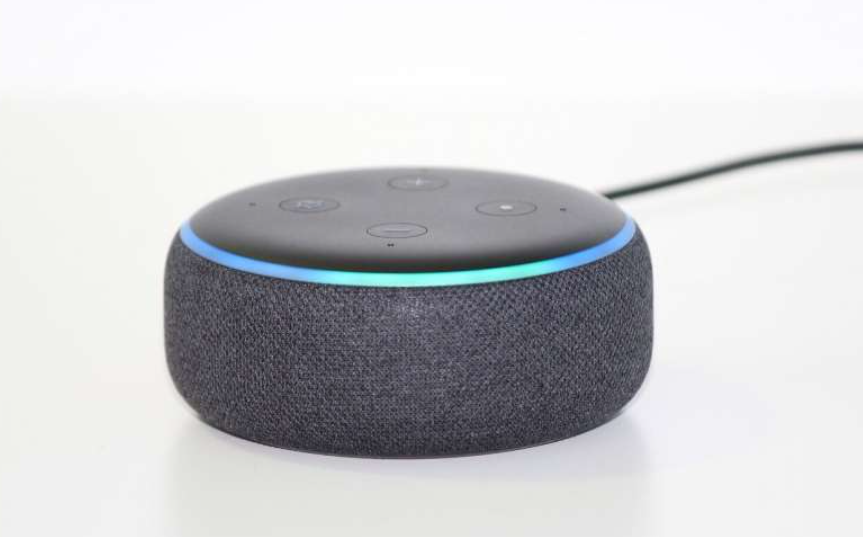
Training the two algorithms on voice snippets from an open-access database, researchers collected voice sample recordings from 14 volunteers who also provided the researchers with access to their respective voice recognition devices.
To determine how sophisticated the voice-copying algorithms have become, the researchers used a software program called Resemblyzer, which listens to and compares voice recordings and assigns similarity ratings to voice recordings upon comparison.
According to the University of Chicago team, the algorithms tricked the Resemblyzer nearly 50% of the time and Amazon Alex roughly 62% of the time.
The study, "Hello, It's Me": Deep Learning-based Speech Synthesis Attacks in the Real World, appears in the journal arXiv.

Voice recognition is not a very robust way of locking up your house. Just sayin'.
My endocrinologist thought it'd be smart to put an Alexa in each exam room. Apparently it wasn't too voice sensitive because while waiting, I'd say "Alexa, play Sunshine of Your Love by Cream" First time, she thought it was amusing. Second visit it was Black Sabbath. She didn't say anything, but by my third visit they were all gone from the exam rooms.