Invisible coating could protect artwork, create efficient solar panels
Marie Donlon | August 12, 2021A team of researchers from Australia’s Curtin University has discovered that an invisible layer of graphene oxide applied to silicon can create an impermeable barrier that can be used for protecting artwork, preventing the corrosion of metals and producing higher efficiency solar cells.
While silicon has previously been treated with protective coatings, the layer of graphene oxide coating reacted rapidly with the silicon and without the need for an external catalyst, complicated procedures or additives — as is the case for silicon solar cells for instance, which require a layer of alumina, silica or some other material to efficiently turn sunlight into electricity.
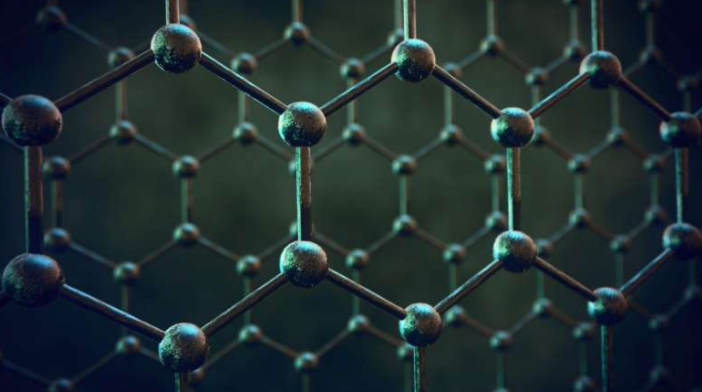 This visualization shows layers of graphene used for membranes. Source: University of Manchester
The research team discovered that the invisible graphene oxide layer protected silicon from ambient oxygen for at least one month. Additionally, the team determined that the coating of graphene oxide could also protect sensitive materials from gases and ultraviolet (UV) light as well.
"A thin, invisible, and flexible layer when applied to artwork such as valuable paintings and stamps could potentially protect them from harmful light and moisture and other damaging elements contained in air without the need to cover the artwork with thick glass or protective layers that diminish the beauty of the artwork," explained the Curtin University research team.
The study "Impermeable Graphene Oxide Protects Silicon from Oxidation," appears in the journal ACS Advanced Materials & Interfaces.