'Quiet aluminum' promises lighter, quieter EVs
Kevin J. Harrigan | April 30, 2020Structural materials with innate noise and vibration dampering properties have gained traction in the electric vehicle (EV) automotive segment, according to Matt Murphy, chief technical officer of Materials Science Corp.(MSC). Murphy shared the information in March 24 webinar hosted by the Center for Automotive Research.
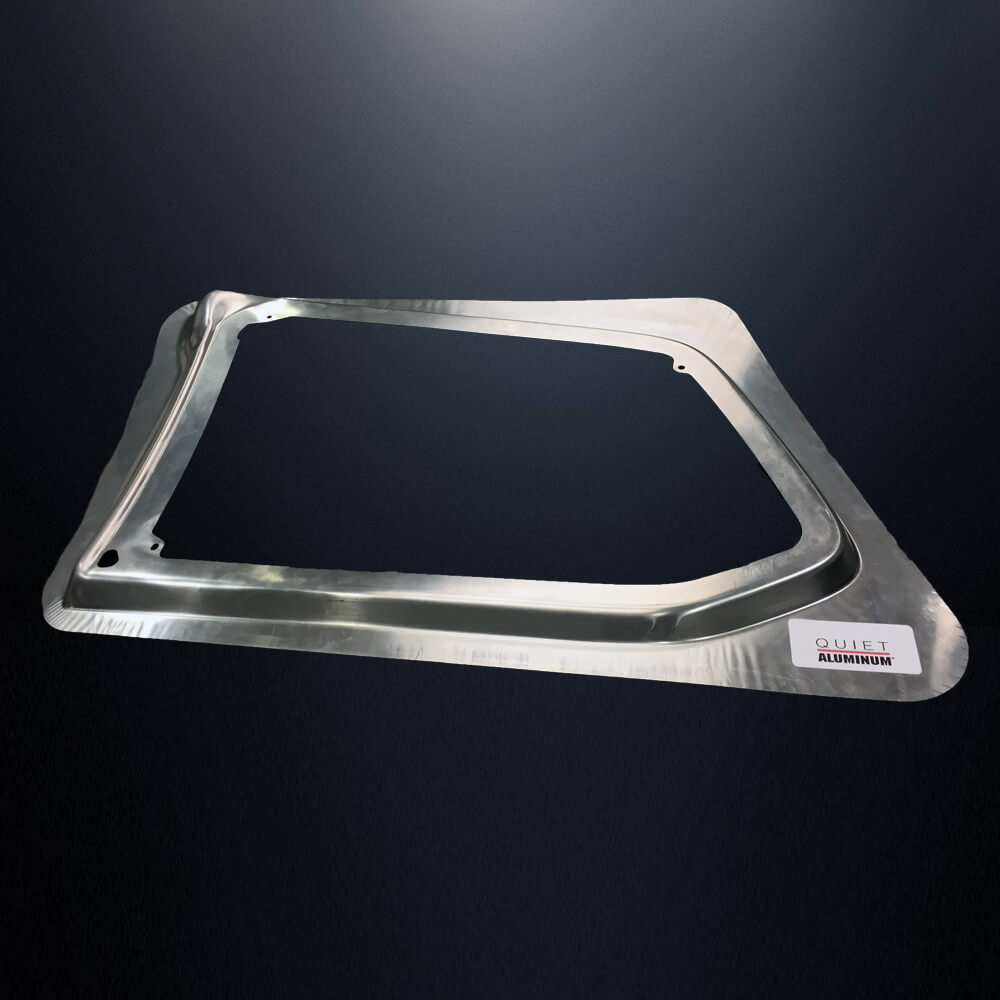 Figure 1. An innovative structural material for automotive applications promises a much different ride. Source: Materials Sciences Corp.The material in question is a "quiet aluminum'' that MSC offers to original equipment manufacturers. The material is in fact a rubberized elastomer layer sandwiched between 5000 or 6000 grades of aluminum sheeting. The end result is an EV that is more energy efficient, has improved range and decreased stopping distance. It is fairly common for an EV to have hundreds of pounds of vibration or noise dampening materials and components to decrease potential rattle from the hood, trunk, doors, dash and other locations where disparate materials or components rub during travel.
By shifting vibration and noise dampening to structural components in the EV, automakers are able to save significant weight and mass, and create a more useful and comfortable vehicles as well. Murphy says an upcoming EV model features nine components made of quiet aluminum.
Quiet aluminum has previously been used in more niche automotive applications, such as the Ferrari SF90 Stradale exotic sports car. MSC also believes the vibration-reducing aluminum will be used for hydrogen cars, and potentially some traditional internal combustion engine vehicles as well.
MSC has also previously offered a "quiet steel," which was most notably used in the last generation Ford F-150 pickup truck.
Source: Repairer Driven News