Video: Blastoff to the ISS for heart cell study
S. Himmelstein | March 06, 2020A specially designed tissue chip containing heart muscle cells is on its way to the International Space Station (ISS). This cosmic cardiac mission is part of a Johns Hopkins University project to examine the effects of microgravity environments on heart health and to translate findings into improved treatments for heart muscle  Source: Johns Hopkins University diseases. The findings could also shed light on why astronauts experience reduced heart function and are more prone to irregular heartbeat.
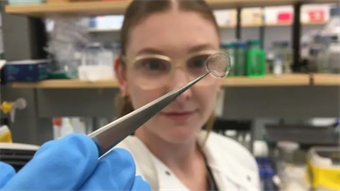
Cardiomyocytes — heart muscle cells — derived from human induced pluripotent stem cells were cultured in a tissue chip that mimics the function of the adult human heart. The chip, which incorporates a new scaffold material supporting cardiomyocyte development, provides a novel 3D environment for realistic replication of cell function and growth, marking an advance from the 2D bioengineering equipment that accompanied previous missions.
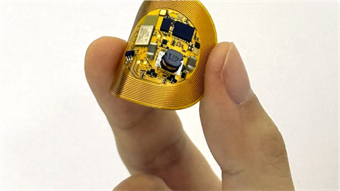
During the one-month mission, data will be delivered to the Earthbound researchers in real time by use of a motion sensor magnet system. Upon their return, the tissues will be evaluated for potential effects of microgravity on gene expression and contraction. Tissue function will also be compared with that observed for identical controls maintained at the University of Washington.