
Study: Data reveals home plate umpires make many mistakes
Marie Donlon | April 16, 2019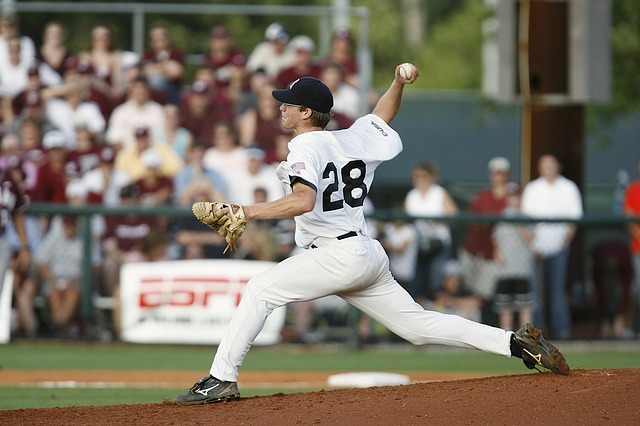 With baseball season in full swing, new research is suggesting that home plate umpires make several incorrect calls over the course of a season.
Often based on an umpire's judgment, calls from a home plate umpire can impact statistics and game outcomes, which has prompted researchers, with assistance from Boston University graduate students, to investigate how often balls are called strikes and strikes are called balls. To do that, researchers looked at four million pitches from over the course of the last 11 regular seasons as collected by Major League Baseball-owned Statcast and Pitch f/x.
Once the data was sorted, formatted and superimposed over a traditional strike zone map, researchers examined ball and strike call accuracy, ranking the error rates for each active umpire to help create a “bad call ratio.” Essentially, higher ratios mean worse umpires.
Based on that information, researchers discovered:
- At least 20% of the time (or 1 in every 5 calls), MLB home plate umpires made incorrect calls
- During the 2018 season alone, MLB umpires made over 34,000 incorrect ball and strike calls (or 14 per game or 1.6 per inning)
- All umpire error rates increased when batters already had two strikes
- The highest error rates came from veteran umpires
The researchers suggest that to correct for such errors, it might make sense to incorporate technology into the game, particularly to assist with calling balls and strikes. The current method of calling balls and strikes has been in place since Babe Ruth played the game a century ago. While researchers are not calling for umpires to be replaced by robots, they do suggest fitting umpires with ear pieces that connect to a control center that gives them real-time ball and strike data, helping to inform the umpire’s call.


I don't think the issue is whether an umpire is "right" or "wrong" but it is much more important to be consistent.
As with anything, umpires are each going to have their own "style" and I'm sure pitchers and catchers have come to know the styles of various umpires and react accordingly.
It's a game. We don't need more technology.
In reply to #1
P.S. It is interesting how "artificial intelligence" chose related articles for this piece.
In reply to #1
Part of being a GREAT pitcher is the ability to fool the umpire, ala Greg Maddux.