
Simulated Martian Soil for Sale
S. Himmelstein | September 30, 2018The development of a standardized method for formulating Martian and asteroid soil known as simulants will 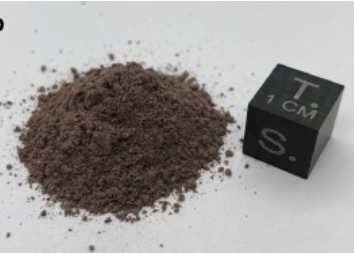 The MGS-1 prototype simulant. Source: University of Central Floridabetter prepare future missions to Mars. Researchers can use the material to test food production techniques and other technologies for supporting expeditions and colonies.
The formula for the Mars Global Simulant (MGS-1) engineered at the University of Central Florida is based on a new open standard designed as a high fidelity mineralogical analog to the global basaltic regolith on Mars, as represented by the Rocknest windblown deposit at Gale crater. MGS-1 also reflects the chemical signature of the soils on Mars collected by the Curiosity rover.
The mineral recipe for the Martian soil is published in the journal Icarus. If you aren’t up to making your own, the university is selling its Martian dirt for $20/kg, plus shipping.



I wonder if it's imported from Georgia?