ERP Business Process Integration Saves Time and Money
September 26, 2018Sponsored content
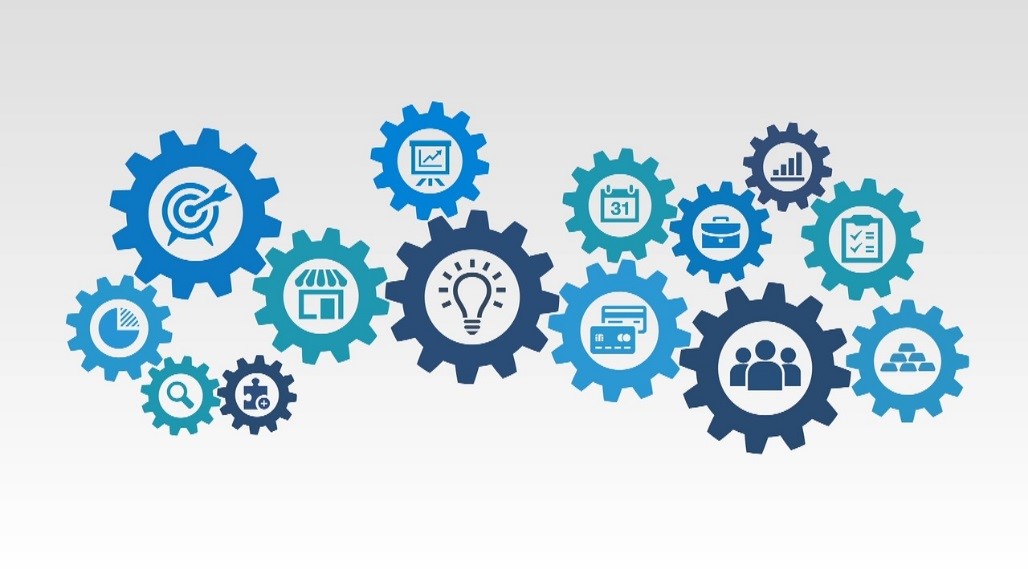 ERP was first used by Gartner in 1990 to describe an information system that integrates management information and serves information needs across the entire enterprise.A well-integrated enterprise resource planning (ERP) system makes businesses more efficient by integrating processes, providing an easy-to-use central database with no data duplication. The acronym was first used by Gartner in 1990 to describe an information system that integrates management information and serves information needs across the entire enterprise. ERP comprises the set of activities that managers use to run business aspects including purchasing, human resources, accounting, production and sales. An ERP system is a significant, high-profile investment, typically bought in modules or functional components.
One of the main benefits of a traditional ERP system is that it incorporates a high degree of customization that can be changed as necessary. On the down side, traditional systems can take the better part of a year to roll out. They also tend to have a steep learning curve. As a generalization, people dislike change, and a new ERP system can change everything, from how reports look to how data is entered and accessed.
Ironically, the companies that would benefit most from ERP integration often are the ones that “need it tomorrow” — organizations for which quick and successful implementation would have a dramatic impact on growth. This is why time-crunched companies have begun turning to an alternative known as rapid ERP: a fast-track system that can be implemented in weeks rather than months. Rapid ERP moves the process along by eliminating some of the customization options offered by its traditional counterpart; pre-defined workflows for best practices and pre-configured dashboards replace customized versions that for many companies are unnecessary. Rapid ERP tools are easier to use, with templates that can be readily understood. The rapid ERP system also calls for a centralized project map to be created as a reference for the implementation team to ensure that all employees understand the plan and their role in it.
There are advantages for both types of ERP systems; both eliminate barriers between business units and allow information to flow more freely between departments. ERP enables accurate reporting across the entire organization and a real-time data systems view that can automate processes and increase efficiency; improve the customer experience; and enable companies to address concerns proactively, with quick identification and elimination of roadblocks. Useful reports and business analytics can be generated at any time.
ERP can also reduce administrative and operational costs. It lowers IT-related expenses, including application licensing, infrastructure needs, management and administrative staffing and support. In addition, training requirements are reduced across the board for end users, who need to learn only one system as opposed to interacting with numerous individual applications.
All of these time- and money-saving factors translate, quite simply, to a significant competitive advantage.