Watch: Superinsulating Windows are on the Horizon
S. Himmelstein | June 08, 2018There are many ways to conserve energy in buildings, including use of efficient appliances and HVAC systems, wall insulation and double-paneled insulating windows. Even with the use of the latter, about $20 billion worth of energy is thrown out the windows annually in the U.S during winter. The pursuit of a better window is underway at the U.S. Department of Energy’s Lawrence Berkeley National Laboratory, where efforts are 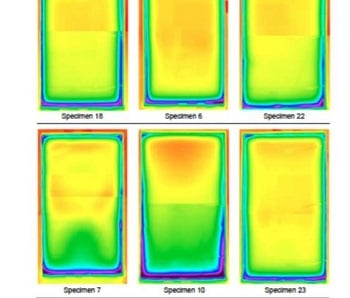 The super window is at least twice as insulating as 99 percent of the windows on the market today. Source: Berkeley Labdevoted to designing a fenestration option at least twice as insulating as 99 percent of the windows now available.
Heat transfer in current double-glazed windows is reduced by two layers of glass with a low-emissivity (low-e) coating and argon gas in the gap between the glass layers. A “thin triple” super window design under development sandwiches a third layer of very thin glass between the two layers of a double-glazed window and adds a second low-e coating. Argon gas is replaced with krypton gas, which is much more insulating. The window system has the same dimensions as existing double-glazed options, eliminating the need to redesign building openings and enhancing market penetration.
The new window design doubles the thermal performance of current Energy Star-rated double-glazed windows and is seven times more insulating than a single-glazed window. In addition to reducing winter heating losses and costs, the low-e coating can be tuned for summer cooling application.
Prototypes have been built and evaluated in the laboratory, and Berkeley Lab is working with window and door manufacturers Andersen Corporation and Alpen High Performance Products to build and test enhanced prototypes suitable for large-scale manufacture.