New Technology May Keep Smart Devices Intact
Marie Donlon | June 02, 2017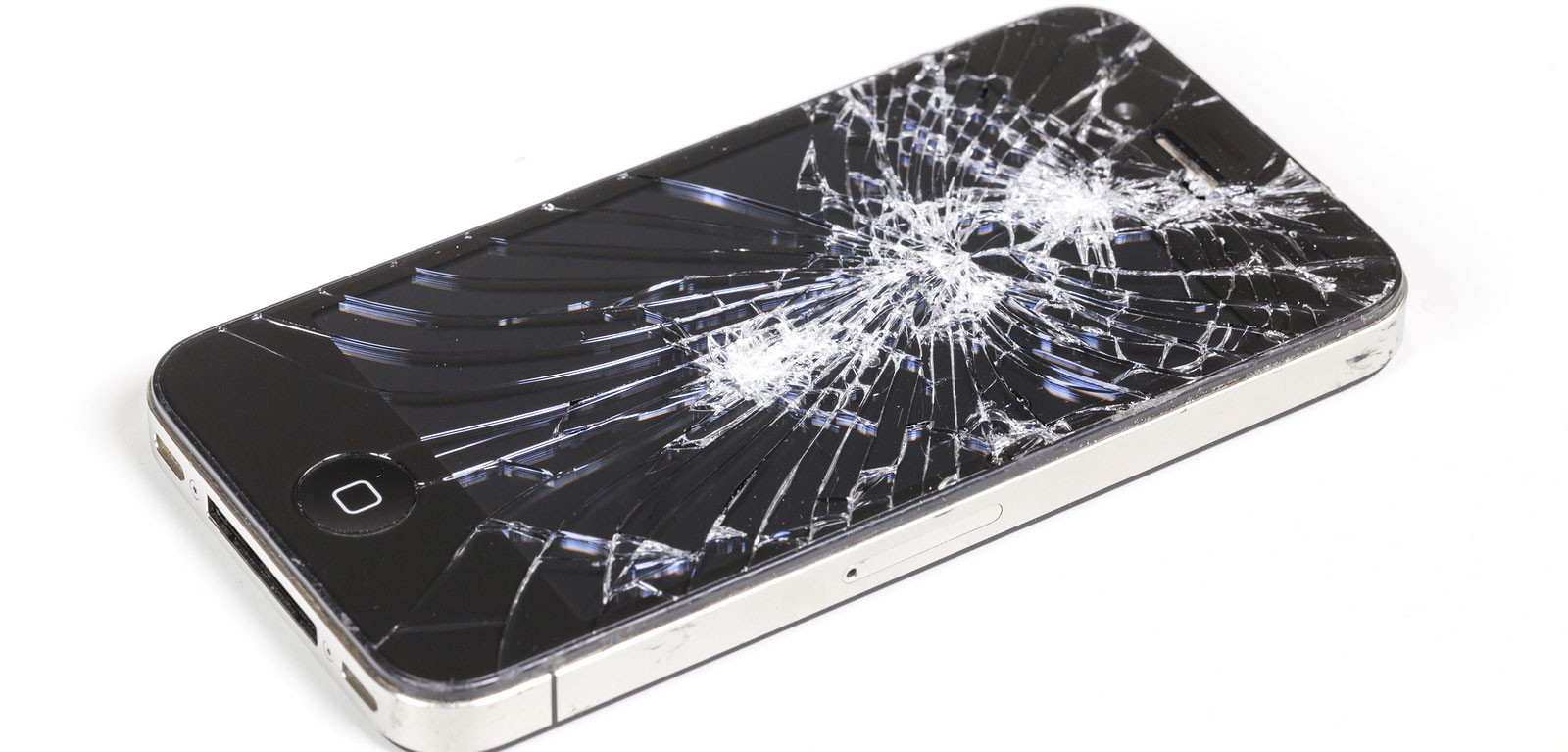 Image credit: Queen's UniversityIn search of a durable and inexpensive solution to cracked smart devices, researchers have created dynamic hybrid devices that conduct electricity at unprecedented speeds while also being made of lighter, more durable materials.
Currently made of silicon and other compounds, cell phone components are expensive and prone to cracking.
Dr. Elton Santos from Queen’s University’s School of Mathematics and Physics (Belfast, Ireland), in collaboration with scientists from Stanford University, California State University, University of California and the National Institute for Materials Science in Japan, developed the hybrid devices by combining semiconducting molecules C60 with materials such as graphene and hBN. The result is a durable, inexpensive and easy to manufacture device.
According to Dr. Santos, "Our findings show that this new 'miracle material' has similar physical properties to silicon but it has improved chemical stability, lightness and flexibility, which could potentially be used in smart devices and would be much less likely to break."
"The material also could mean that devices use less energy than before because of the device architecture so could have improved battery life and less electric shocks."
He added: "By bringing together scientists from across the globe with expertise in chemistry, physics and materials science we were able to work together and use simulations to predict how all of the materials could function when combined — and ultimately how these could work to help solve every day problems."
"This cutting-edge research is timely and a hot-topic involving key players in the field, which opens a clear international pathway to put Queen's on the road-map of further outstanding investigations."
The research is published in the journal ACS Nano.