Field Trials with Genetically Modified Algae Deemed Successful
S. Himmelstein | May 05, 2017The first field trial of a genetically engineered strain of algae in outdoor ponds under real-world conditions has 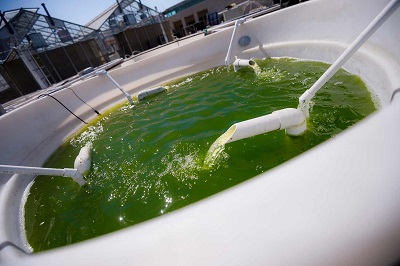 Image credit: Erik Jepsen/UC San Diego Publicationsbeen completed. The research conducted by the University of California San Diego and Sapphire Energy is sanctioned by the U.S. Environmental Protection Agency and funded by the U.S. Department of Energy.
The 50-day experiment confirmed that genetically engineered algae can be successfully cultivated outdoors while maintaining engineered traits, and, most importantly, without adversely impacting native algae populations.
Strains of the species Acutodesmus dimorphus genetically modified with genes for fatty acid biosynthesis and green fluorescent protein expression were cultivated in parallel with non-engineered algal species. Testing both algae strains in water samples taken from five regional lakes showed strikingly similar levels of growth in the tests, and that the genetic modification did not change the impact of the cultivated strains on native algae communities.
The initiative should advance technologies for producing sustainable food and energy in ways that do not disrupt the environment.
Future testing will include additional gene types in experiments that run several months, allowing the researchers to further evaluate influences from weather, seasonal shifts and other environmental factors.