Toyota to Use Biosynthetic Rubber in Engine, Drive System Hoses
Engineering360 News Desk | May 04, 2016Toyota will become the world's first automaker to use biohydrin, a newly developed biosynthetic rubber product, in engine and drive system hoses.
Jointly developed by Toyota, Zeon Corporation, and Sumitomo Riko Co., Ltd., biohydrin rubber is manufactured using plant-derived bio-materials in place of epichlorohydrin, a commonly used epoxy compound. Since plants absorb CO2 from the atmosphere during their lifespan, such bio-materials achieve an estimated 20% reduction in material lifecycle carbon emissions compared with conventional petroleum-based hydrin rubber, Toyota says.
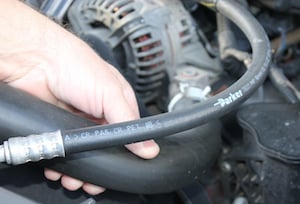 Biohydrin will be used in the engine hoses of all Japanese-made Toyota vehicles by year's end. Image credit: Pixabay. The first vehicles to use vacuum sensing hoses made from biohydrin rubber will be produced in May, with usage expected to be rolled out to all Toyota automobiles manufactured in Japan by the end of 2016.
Engine and drive system hoses require a particularly high level of oil and heat resistance. Since epichlorohydrin offers exceptional oil resistance, heat resistance, heat aging resistance, ozone resistance and gas permeability, it is commonly used as a key compound in the production of rubber for components such as hoses.
Production of biohydrin rubber uses a variety of compound technologies for bonding plant-derived materials with petroleum-derived materials at the molecular level. Toyota says these technologies ensure that biohydrin rubber provides the durability and oil and heat resistance required for vacuum sensing hoses in engines and drive systems.
According to Toyota, biohydrin rubber is similar to conventional petroleum-based hydrin rubber in terms of quality and mass producibility, enabling large-scale use in commercial vehicles. The company says it plans to expand the usage of biohydrin to other high-performance rubber components, such as brake hoses and fuel line hoses, in the future.