Detecting counterfeit and marginal components with stress-based strategies
October 15, 2026Even as quality assurance methods have advanced, counterfeit and marginal electronic components are increasingly able to pass traditional inspection and functional testing. As screening methods have matured, so have the techniques counterfeiters use to pass off counterfeit components as genuine items. This deception introduces hidden reliability risks into modern systems. Nowhere is this more critical than in industries such as defense and medical devices, where early-life failures can have mission-critical or life-threatening consequences.
As counterfeit components become increasingly difficult to distinguish by appearance alone, performance-based testing provides another means of identifying potential reliability concerns. Accelerated reliability methodologies such as highly accelerated life testing (HALT) and highly accelerated stress screening (HASS) can help expose weaknesses and performance differences that traditional inspection and nominal functional testing may not reveal.
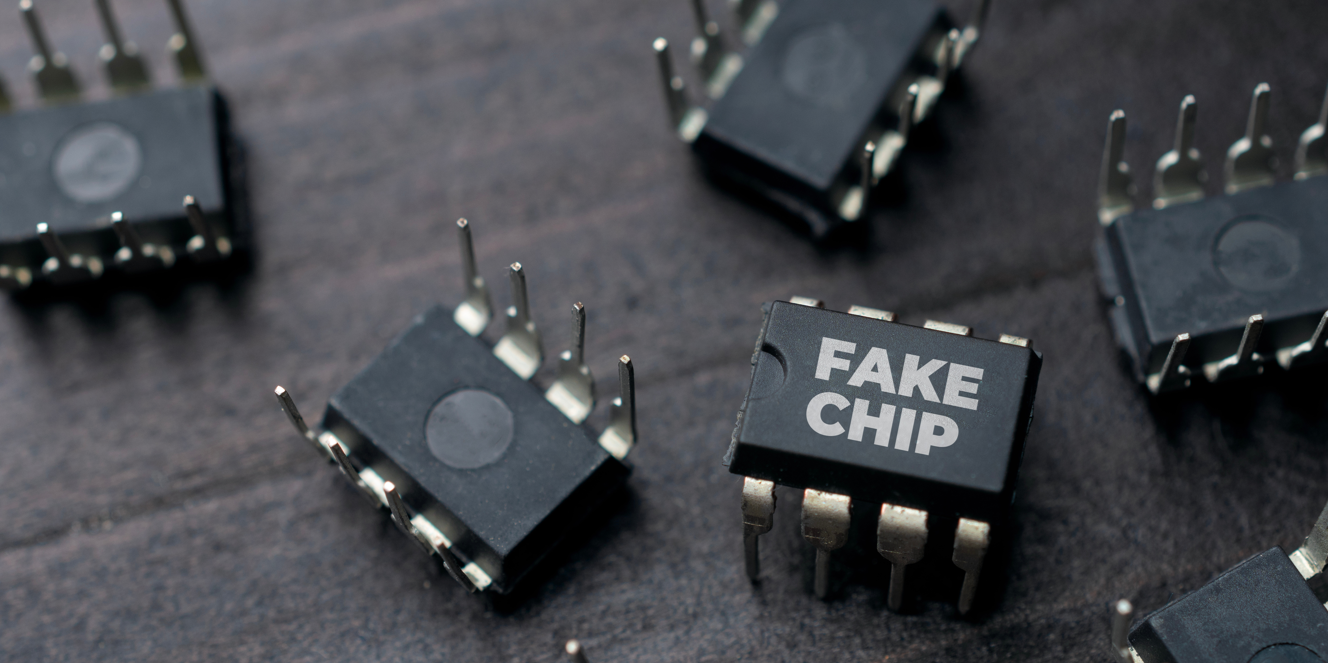 Figure 1. In practical applications, stress-based testing can reveal performance differences and latent weaknesses that may not be apparent through visual inspection or nominal functional testing. Source: cristianstorto/Adobe Stock
Rather than validating components based solely on appearance or nominal function, HALT and HASS use accelerated stresses to stimulate the unit under test and expose vulnerabilities. HALT uses temperature extremes, rapid thermal transitions and six-degree-of-freedom repetitive shock vibration to explore product robustness, while HASS uses knowledge gained through HALT to screen production units for defects and variability.
Integrating stress-based reliability testing into supplier qualification and production workflows can help organizations identify latent defects and marginal or anomalous performance, supporting a more resilient, data-driven approach to reliability and stronger supply chain control.
The growing threat of functional counterfeits
Counterfeit components have evolved well beyond simple relabeling, making them increasingly difficult for manufacturers to identify. Today’s “functional counterfeits” may pass incoming inspection and even initial electrical testing, making them significantly more difficult to detect.
Counterfeiters source components from many different sources, including:
- Refurbished or reclaimed devices
- Repackaged die with unknown histories
- Components subjected to prior thermal or mechanical overstress
In many cases, these components carry correct markings and appear indistinguishable from authentic parts. They may even be marked with new lot numbers.
The critical issue is not whether these components function under nominal conditions, but whether they maintain integrity under stress.
This distinction is particularly important in defense and medical applications, where systems must perform reliably across extreme environments and extended lifecycles. A component that passes initial tests but fails under stress introduces unacceptable risk.
Where traditional quality and qualification methods fail
Traditional quality assurance frameworks rely heavily on visual inspection, datasheet validation and point-in-time electrical testing. While necessary, these approaches may not reveal underlying reliability concerns.
Advances in resurfacing and remarking techniques have also limited the efficacy of visual inspection. Electrical testing confirms functionality at a specific operating point but does not necessarily reveal how a component will behave when subjected to additional stress.
Burn-in testing, often used to screen for early failures, applies relatively low levels of stress over extended durations. While valuable for its intended purpose, it may not expose the deeper reliability issues or performance differences that accelerated stress methodologies are designed to uncover.
Modern supply chain realities compound these limitations. Increased reliance on commercial off-the-shelf (COTS) components in aerospace and defense, greater use of alternate suppliers across industries and rapid sourcing decisions made during component shortages can introduce additional supply chain vulnerabilities.
In this environment, traditional qualification methods alone may leave organizations exposed to latent failures.
Stress-based detection: A performance-driven approach
To close this gap, organizations are adopting stress-based detection strategies that evaluate components based on robustness rather than nominal compliance. This approach validates that these components will survive the stresses they are designed for, shifting validation from “what we think will happen” to “what we have confirmed will happen.”
This approach subjects components to controlled environmental extremes, including:
- High and low temperature exposure
- Rapid thermal transitions
- Multiaxis vibration
These stresses accelerate failure mechanisms, revealing latent defects that would otherwise remain undetected.
Functional counterfeits are particularly vulnerable under these conditions. While they may replicate nominal performance, they typically lack the material integrity, process control or design robustness of authentic components. As a result, they exhibit earlier failure or abnormal behavior when stressed.
Environmental testing systems developed by ESPEC North America are specifically designed to deliver these controlled, repeatable stress conditions, enabling engineers to evaluate performance with precision and consistency.
HALT: Establishing true design robustness
HALT is a cornerstone of stress-based validation. Unlike traditional qualification testing, HALT is designed to push products beyond their specified limits to uncover failure modes and quantify design margins.
HALT applies progressively increasing stress through temperature extremes, rapid thermal ramp rates and six-degree-of-freedom vibration. The objective is not pass/fail validation, but discovery. For a given design, where are the operational limits? Where are the destruct limits? What failure mechanisms emerge?
The key part of HALT is that it is a cycle. This information enables engineers to strengthen designs early in development before production constraints limit flexibility.
In the context of counterfeit detection, HALT establishes a critical reference point. By characterizing the performance envelope of known-good components, organizations create a baseline against which suspect parts can be evaluated.
Advanced environmental chambers and vibration systems, such as those developed by ESPEC, play a key role in executing HALT programs with the precision required for meaningful margin analysis.
HASS: Screening for production variability and counterfeits
While HALT focuses on design robustness, HASS applies similar principles at the production level. HALT and HASS are not independent, and HASS very much relies on the data derived from HALT to be effective.
HASS uses stress profiles derived from HALT data to screen for:
- Manufacturing defects
- Process variability
- Supplier inconsistencies
- Counterfeit or marginal components
Unlike burn-in, HASS applies combined stresses over shorter durations, making it both more efficient and more effective.
The key to HASS is calibration. Stress levels must be strong enough to precipitate latent defects while remaining below the threshold that would damage robust units. This balance is achieved through the empirical process of proof of screen, which confirms that the screen will precipitate the desired failures without taking excessive life out of the product.
In production environments, ESPEC’s accelerated reliability test systems enable repeatable execution of HASS protocols, ensuring consistent screening across high volumes.
Dual-layer reliability: Integrating HALT and HASS
Together, HALT and HASS form a dual-layer reliability strategy that spans the product lifecycle. HALT ensures that designs are fundamentally robust. HASS ensures that production maintains that robustness.
This integrated approach provides early detection of design weaknesses. Manufacturing quality can also be continuously monitored. Supplier-related risks are identified rapidly and can be addressed quickly.
For defense and medical systems, where reliability is non-negotiable, this dual-layer methodology provides a defensible framework for ensuring performance under real-world conditions.
Integrating stress testing into supplier qualification
Supplier qualification is increasingly challenged by variability, disruption and the need for rapid sourcing decisions. Traditional methods based on documentation and initial sample testing are no longer sufficient.
Stress-based validation introduces a more rigorous approach by evaluating suppliers based on performance under stress.
A modern qualification framework starts with an approved vendor list with traceable sources. Next comes chain-of-custody requirements for part traceability. Components are then classified based on risk. Stress-based validation then acts as a final acceptance gate.
Using HALT-derived benchmarks, organizations can perform side-by-side comparisons of suppliers, identifying differences in robustness that are not apparent through standard testing. ESPEC’s testing platforms support this process by enabling consistent application of accelerated stress across multiple suppliers and test campaigns.
 Figure 2. Performance-based approaches to counterfeit detection reinforce supply chains while ensuring the reliability of finished products. Source: st.kolesnikov/Adobe Stock
Practical implementation framework
Implementing stress-based detection requires a structured methodology that integrates with existing quality processes.
A typical tiered approach includes:
Baseline screening
- Visual inspection
- Electrical testing
Nondestructive analysis
- X-ray imaging
- Material verification
- Acoustic microscopy
Stress-based validation
- HALT for characterization
- HASS for screening
Acceptance criteria should be based on performance margins rather than on binary pass/fail thresholds. This allows for more informed decision-making and better differentiation between robust and marginal components.
Operational considerations include sampling strategies, test throughput and data traceability. Modern environmental test systems, including those from ESPEC, are designed to support high-throughput workflows without compromising test fidelity.
Continuous improvement as deterrence
The value of stress-based detection is amplified when supported by robust data systems. A centralized reliability database enables organizations to integrate HALT results, HASS screening data, field failure reports and supplier nonconformance records in one centralized system.
Closed-loop systems such as failure reporting, analysis and corrective action system (FRACAS) link failures to root causes and corrective actions, enabling continuous improvement. Over time, this data-driven approach refines supplier selection by allowing the most consistent suppliers to rise to the top. The design naturally becomes more robust as well by screening out devices with latent issues that would have become field failures.
It also provides defensible evidence for audits and regulatory compliance, which is particularly important in medical and defense applications. The end result is a cycle of continuous improvement that results in superior, more reliable designs and a supply chain that is harder for counterfeiters to penetrate.
Detecting counterfeits in practice
In practical applications, stress-based testing reveals clear distinctions between authentic and counterfeit components. Marginal or counterfeit parts often demonstrate reduced tolerance to temperature extremes, increased susceptibility to vibration-induced failures and abnormal parametric drift under stress.
By comparing performance against HALT-derived baselines, engineers can identify outliers and investigate potential counterfeit risks. In high-value systems, where destructive testing is limited, carefully controlled stress strategies can be used to extract maximum insight while preserving hardware. This capability is essential for balancing risk and cost in industries where components are both expensive and critical.
Stress testing and strategic value
Adopting stress-based detection strategies delivers measurable operational and financial benefits. Organizations can expect reduced warranty and recall costs by catching issues at the factory. Suppliers also can be qualified much more quickly, resulting in greater supply chain resilience. In defense and medical sectors, these benefits extend beyond cost savings to include mission assurance, regulatory compliance and patient safety.
More broadly, stress-based validation transforms reliability from a reactive function into a proactive, strategic capability.
Improve designs and reduce recalls with stress-based testing
As counterfeit methods continue to evolve, inspection-based approaches alone are no longer sufficient. Organizations must adopt validation strategies that assess performance under realistic and accelerated conditions.
HALT and HASS provide a proven framework for accelerated reliability testing. By integrating these methodologies into design, qualification and production processes, organizations can more effectively identify marginal or anomalous performance and strengthen overall product reliability.
Through advanced reliability testing technologies and application expertise, ESPEC supports engineers in building more robust products and more resilient supply chains. Contact the experts at ESPEC to learn more.
Additional resources: