Air filtration breakthrough could transform indoor air quality
Marie Donlon | October 06, 2026A team of researchers from China’s Fuzhou University has created a fluorine-free membrane for air filtration applications in demanding environments.
The membrane was created using water-induced phase separation and UV thiol-ene click chemistry, which gave the membrane a water-repellent surface that resists moisture and dust buildup.
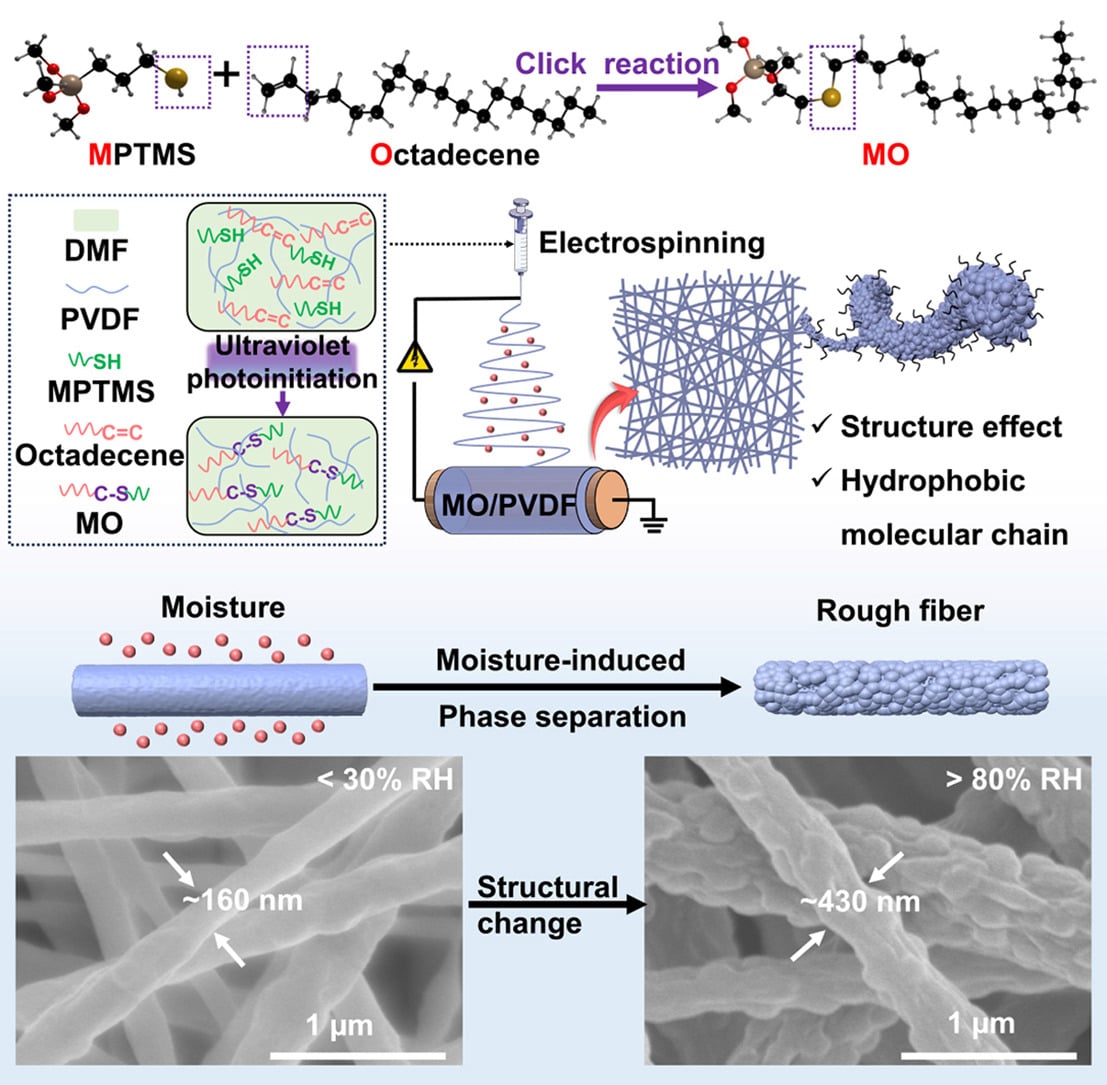 Source: 10.1016/j.gce.2026.07.002/Green Chemical Engineering
Water-repellent filter coatings often rely on per- and polyfluoroalkyl substances (PFAS), which persist in the environment and face growing regulatory restrictions.
According to researchers, the regenerable superhydrophobic membrane can filter PM0.3 — particulate matter with a diameter of 0.3 micrometers (microns) or less — while offering a more sustainable alternative for harsh environments. The membrane also maintained its filtration performance after five cycles of cleaning and reuse, suggesting potential for applications in which filters are exposed to repeated contamination.
An article detailing the membrane, “Regenerable fluorine-free superhydrophobic membranes via synergistic interfacial engineering for oily PM filtration,” appears in the journal Green Chemical Engineering.