Why cleanroom environmental control necessitates an expert approach
September 01, 2026Contamination and meeting compliance standards are two major challenges for the compounding pharmacy market. Cleanroom conditions are required to ensure the safety and the quality of the final product, while precision temperature and humidity control in a particulate and microbe-free environment are equally essential to the process.
However, compounding pharmacies are often built into existing buildings, which means the HVAC system needs to be upgraded to match the demands of the environment. Simply adding off-the-shelf air conditioners and dehumidifiers will not suffice. This is where advanced systems made specifically for compounding pharmacies can help.
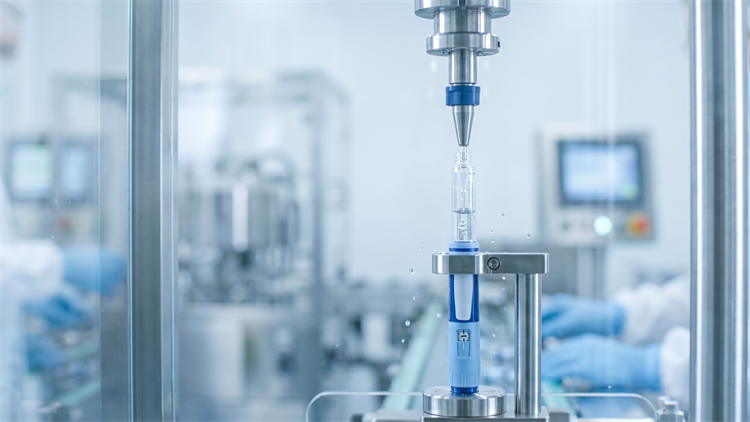 Figure 1. Compounding pharmacies must be supported by HVAC systems that allow for extreme attention to detail on conditions that off-the-shelf systems do not typically account for. Source: WisChi/Adobe Stock
Challenges for compounding pharmacies
Compounding pharmacies are typically small in scale, where the actual chemical work occupies only a few hundred square feet at the most. Often, these spaces are constructed in existing workspaces and buildings, perhaps without considering how the building’s existing infrastructure will need to be improved to ensure safe pharmaceuticals and code compliance.
USP 797 is the standard that governs compounding pharmacies and air handling requirements, which factor into other concerns, such as contamination, moisture control, equipment limitations and contracting and installation issues.
USP 797 compliance
USP 797 is the scientific standard governing compounding pharmacy safety. It covers everything from what training is required for compounding personnel to proper donning and doffing of cleanroom suits, to the construction and requirements of the compounding space.
Included in the USP 797 standards are definitions of specified zones, such as garbing areas, storage, buffer space and the critical areas used for the actual compounding operations. Compounding must be performed in a cleanroom environment to prevent contamination from the environment, personnel, moisture and other sources.
Cleanrooms are not simply a space with some extra air blowing through them. The airflow must be fast enough to permit a specified number of air changes per hour through HEPA filtration. Furthermore, USP 797 also specifies temperature, humidity, pressure and cleanliness standards that are required.
Contamination
The biggest enemy to the compounding pharmacy is contamination. Contaminated products can lead to death or injury in extreme cases, or lawsuits, recalls and fines in others. One of the largest sources of contamination is in the air around the manufacturing space for pharmaceuticals.
Typically, compounding operations are performed under a fume hood. The fume hood has specific requirements to provide the proper pressure differential to keep pharmacists safe, or to prevent contaminants from being drawn into the workspace. The space itself is only as clean as the air that is being drawn into it. Filtration provides the first layer of defense, but biological hazards from spores, germs and other such contaminants must also be managed efficiently.
Moisture
Another major challenge for compounding pharmacies is managing humidity. Excess moisture is itself a contaminant because it can lead to product spoilage and promote mold and bacterial growth. USP 797 has strict guidance on moisture content, but often, this can be difficult to meet especially in humid climates.
While humid climates are more likely to struggle with humidity control, no place is exempt. Buildings in the desert southwest often rely on evaporative — or “swamp” cooling — which raises the humidity indoors as it cools the air. Condensation on coolers and chilled equipment also raises the humidity locally.
Equipment limitations
Compounding pharmacies themselves may only operate certain hours of the day; however, contamination and moisture threaten the integrity of chemical and pharmaceutical supplies at all hours. As such, air handlers, ventilation, filtration, humidifiers and dehumidifiers and other such equipment must run continuously.
If one were to purchase an off-the shelf air conditioning unit for their compounding pharmacy, they would see nothing but frustration. Components designed for residential and light commercial applications are meant to provide creature comfort, not full duty cycle and continuous operation. These units would struggle to provide stable conditions and fail at a high rate, which would lead to unplanned maintenance, high operating costs, poor overall efficiency and scrapped products.
Contracting and installation issues
Another major headache for the compounding pharmacy owner is finding contractors familiar with USP 797. Larger HVAC companies may have some expertise in the field and can help design a proper system. Smaller HVAC companies can run duct work and install components, but they may not be aware of all the nuances that compounding pharmacy spaces require to meet standards. Additional inspections by a third party might be required to ensure USP 797 compliance is met.
HEPAir advantages
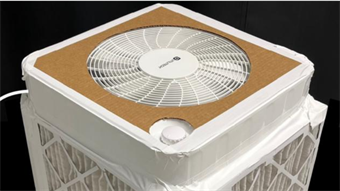
Air Innovations designs equipment — such as the HEPAir system — for cleanrooms, compounding pharmaceuticals and other such challenging industries. The HEPAir system is designed as a modular unit that can be easily scaled up to meet any compounding pharmacy’s needs.
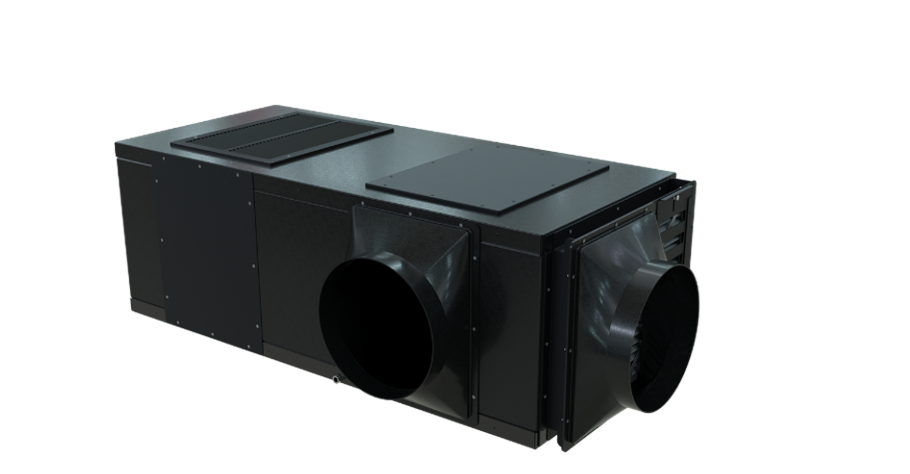 Figure 2. HEPAir System. Source: Air Innovations
Standards compliance
The HEPAir system has been specifically engineered for cleanrooms in medical settings such as compounding pharmacies. When installed correctly, HEPAir units can help facilities meet and exceed the standards established by USP 797, as well as several similar standards for specific products.
Filtration, temperature control and humidity control
In terms of process control, temperature and humidity of the cleanroom space are managed through PID controllers and compressors that operate continuously. Tight tolerances in both temperature and humidity are possible with this control system, making it easy to meet USP 797 standards.
Continuous use and efficiency
Because the HEPAir system was designed with compounding pharmacies in mind, it is made to be run continuously, while requiring little maintenance. It optimizes efficiency in ways that off-the-shelf equipment does not; an air conditioner from a local store does not have to be highly efficient, as it does not run continuously. The HEPAir system is built for continuous use.
Flexibility in design
The HEPAir system is a modular, scalable and self-contained unit. They can be tailored to fit any specific cleanroom or compounding space. HEPAir units utilize a 208-230 V 60 Hz AC power system, making them suitable for the majority of existing buildings and new constructions.
The lightweight aluminum units can be mounted to walls, floors and ceilings in order to provide installation flexibility depending on the existing building layout. It is designed to work with off-the-shelf HEPA fan filter units, reducing the amount of design and installation headaches. Should the facility need to move buildings or grow, the HEPAir system can be uninstalled and moved to the next facility; it does not have to be a permanent part of the building. This is ideal for compounding pharmacies in rented spaces, where business conditions might require relocation.
Ultimately, the HEPAir system strikes the balance between efficiency, cost-effectiveness and installation flexibility, while still meeting the regulatory requirements for safe compounding.
Air Innovations
HEPAir can improve quality control and help compounding pharmacies meet USP 797 standards, in either existing facilities or in the early planning stages of new facilities. To learn more about how HEPAir can benefit compounding pharmacies, contact the experts at Air Innovations.