Thermal control of Li batteries using coated fabrics
February 27, 2026Lithium batteries power an expanding range of technologies, from electric vehicles and commercial transportation fleets to stationary energy storage systems and grid-scale backup power installations. As performance expectations increase, battery designers continue to push for higher energy density, faster charging rates and more compact packaging. These advances, while essential for competitiveness and system efficiency, introduce significant thermal and electrical stresses within the battery assembly. Without effective insulation and thermal barriers, elevated temperatures and localized hotspots can degrade internal components, reduce cycle life and increase the risk of failure.
Coated fabric insulation provides a thin, flexible and durable material solution engineered to regulate temperature and preserve electrical isolation within lithium battery systems. By combining high-performance textiles with advanced coatings, coated fabrics deliver controlled thermal resistance, dielectric protection and mechanical durability in a lightweight composite form. Properly integrated into a battery design, these materials help maintain stable operating temperatures, prevent short circuits and reduce the severity and spread of thermal runaway events.
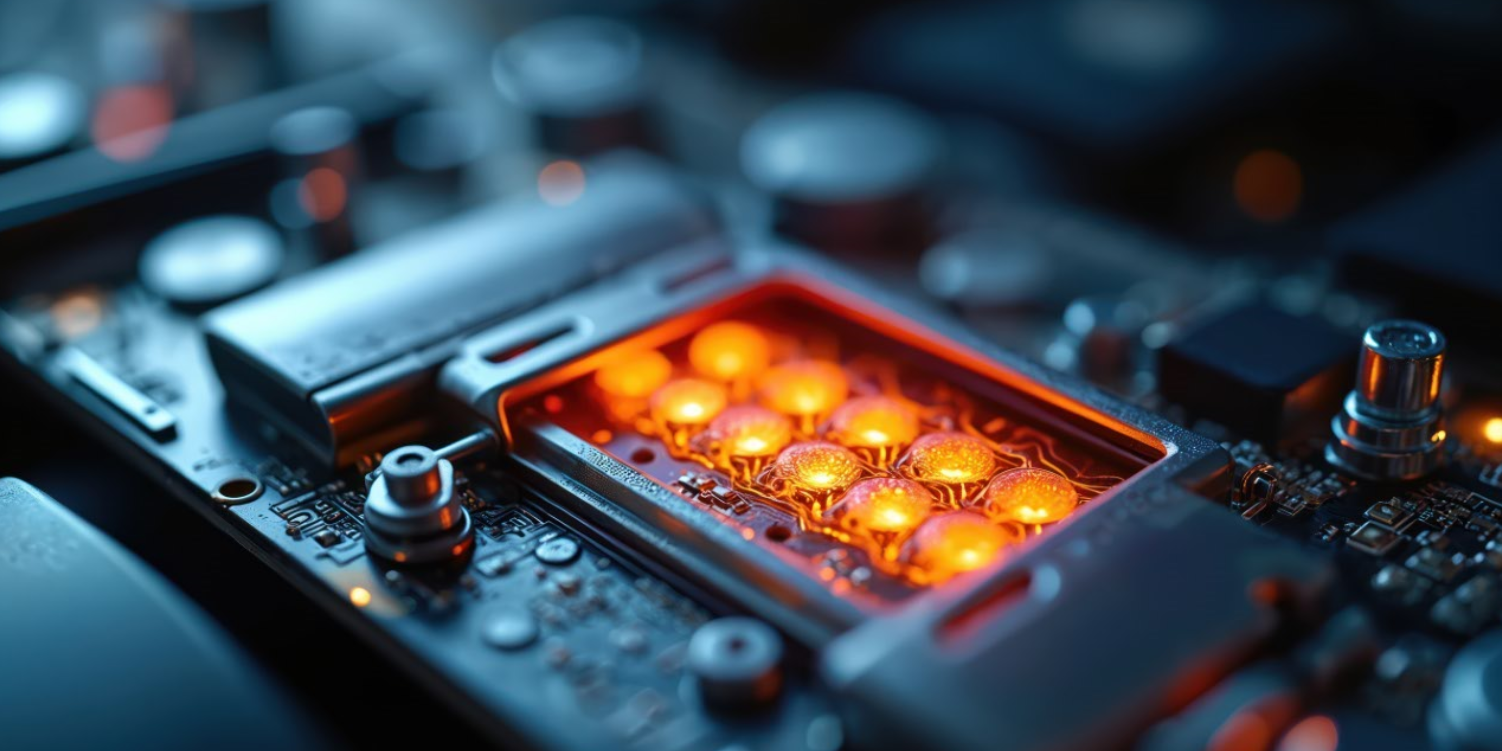 Source: Adobe Stock
Coated fabric insulation and its use in lithium batteries
Coated fabric insulation consists of a high-temperature textile substrate — such as fiberglass, aramid or silica — combined with a specialized coating, including silicone, ceramic or vermiculite. The resulting composite material is engineered to withstand elevated temperatures while maintaining flexibility, strength and electrical insulation. This combination of properties makes coated fabrics especially valuable in lithium battery assemblies, where both thermal and dielectric performance are critical.
The base fabric provides structural integrity, dimensional stability and inherent dielectric strength. Fiberglass fabrics, for example, maintain strength at high temperatures and offer excellent electrical insulation characteristics. Silica fabrics extend performance into even higher temperature ranges, while aramid fabrics provide high tensile strength at reduced weight. These substrates are selected based on the battery system’s voltage requirements, operating environment and mechanical loading conditions.
The applied coating enhances thermal resistance and adds functional performance attributes. Silicone coatings offer flexibility, moisture resistance and good thermal stability. Ceramic coatings improve resistance to radiant heat and direct flame exposure. Vermiculite coatings can expand and form protective layers when exposed to extreme heat, further limiting heat transfer. Together, the textile and coating create a composite barrier capable of slowing heat flow through conduction, convection and radiation.
Because coated fabrics are thin and formable, they can be precisely cut, die-shaped or laminated to conform to densely packed battery modules. Space constraints are a defining characteristic of lithium battery systems, particularly in electric vehicle packs and compact storage enclosures. Coated fabrics enable thermal and electrical protection without adding significant thickness or weight, making them ideal for high-energy-density applications.
Why insulating lithium batteries matters
Every lithium battery cell generates heat during charge and discharge cycles. Resistive heating within electrodes, internal chemical reactions and current flow through conductors all contribute to temperature rise. Under moderate operating conditions, heat generation is manageable and dissipates through conduction and convection. However, as energy density increases and packaging becomes tighter, the margin for thermal imbalance narrows.
Uneven temperature distribution within a battery pack can accelerate degradation of electrode materials and electrolytes. Cells operating at higher temperatures typically age more rapidly, leading to capacity loss and reduced cycle life. Temperature gradients between cells also cause imbalance, where some cells reach voltage limits before others, reducing overall pack efficiency and usable energy.
More critically, uncontrolled heat buildup can initiate thermal runaway. In a thermal runaway event, internal reactions within a cell become self-sustaining, generating rapid temperature increases, gas release and, potentially, flame. If the heat from a failing cell transfers quickly to adjacent cells, a cascade effect — known as thermal propagation — may occur. This propagation significantly increases the severity of the event and can compromise the entire module or pack.
Effective insulation is therefore a core component of battery safety engineering. Coated fabric insulation helps slow the rate of heat transfer between cells, buying valuable time for battery management systems (BMS), cooling systems and safety circuits to respond. By delaying propagation, these barriers can reduce peak temperatures experienced by neighboring cells and help contain localized failures.
In addition to thermal protection, dielectric isolation is equally important. Lithium battery packs often operate at high voltages. Maintaining reliable electrical separation between cells, modules and structural components prevents short circuits and arcing, which can lead to rapid energy release and system damage. Coated fabric insulation contributes to this electrical separation by providing high dielectric strength in a mechanically stable format.
When integrated properly, coated fabric insulation not only mitigates catastrophic failure risks but also improves long-term reliability, cycle life and performance consistency under demanding conditions.
How lithium batteries are insulated with coated fabric insulation
Coated fabric materials can be incorporated into lithium battery systems at multiple levels of the assembly. The placement and configuration depend on the pack architecture, thermal management strategy and safety requirements.
Between individual cells
Thin layers of coated fabric can be positioned between cylindrical, prismatic or pouch cells. These interstitial barriers reduce conductive heat transfer while maintaining dielectric separation. In compact modules, where spacing between cells is minimal, coated fabrics provide protection without significantly increasing module dimensions. By limiting direct heat conduction paths, these barriers help control temperature gradients and slow propagation if a single cell becomes unstable.
Between modules
In larger battery packs, groups of cells are organized into modules. Coated fabric sheets can be installed between modules to prevent heat or flame from traveling across sections of the pack. This modular isolation approach enhances overall system resilience by compartmentalizing potential failures. If a thermal event occurs in one module, the barrier helps restrict the event to that area, reducing risk to adjacent modules.
Along enclosure walls
Flexible coated fabrics may also line the interior surfaces of battery enclosures. In this configuration, they serve as both internal containment and external heat shielding. The insulation can protect sensitive electronics from localized heat release and provide a degree of resistance to external heat sources, such as nearby power electronics or environmental exposure.
Around busbars and terminals
High-voltage interconnections and terminals require reliable dielectric barriers. Coated fabric insulation can be shaped and wrapped around conductive components to prevent accidental contact, arcing or shorting. The mechanical strength of the fabric substrate ensures durability under vibration and movement.
During assembly, coated fabrics are typically cut, die-punched or laminated to precise geometries. Consistent coverage around terminals, edges and structural interfaces is essential to avoid thermal or electrical weak points. Adhesive backing, mechanical fastening or lamination may be used depending on the design. Proper integration ensures the insulation slows unwanted heat transfer while allowing controlled heat dissipation under normal operating conditions.
Material properties behind effective insulation
The performance of coated fabric insulation in lithium battery systems depends on a combination of carefully engineered material properties.
Thermal resistance
Ceramic- or vermiculite-coated fabrics can withstand temperatures exceeding 500° C (932° F) without losing structural integrity. This high-temperature stability is essential during abnormal events such as thermal runaway, where localized temperatures can spike rapidly.
Low thermal conductivity
The composite structure of the fabric and coating restricts heat flow. Air pockets within the woven textile and the reflective properties of certain coatings reduce conductive and radiant heat transfer. Lower thermal conductivity slows temperature rise in adjacent cells and structural components.
Flame retardancy and char formation
Some coatings are formulated to resist ignition and form protective char layers when exposed to extreme heat. This char acts as an additional thermal barrier, limiting flame spread and surface damage. Such behavior is particularly valuable in high-energy battery environments.
Electrical insulation
Both the textile substrate and coating contribute to dielectric strength. High breakdown voltage capability prevents arcing in high-voltage packs and maintains safe separation between conductive elements. Reliable dielectric performance is critical in electric vehicle and grid storage systems operating at hundreds of volts.
Mechanical durability
Battery systems are subject to vibration, compression and thermal cycling. Coated fabric insulation must maintain performance despite repeated mechanical stresses. The composite construction resists tearing, abrasion and compression set while retaining flexibility. Resistance to moisture and electrolyte exposure further enhances service life.
Material selection varies according to application requirements. Silicone-coated fiberglass provides a balance of flexibility, temperature resistance and cost-effectiveness. Ceramic- or vermiculite-coated fabrics deliver enhanced radiant heat and flame resistance. Aramid-based fabrics offer high tensile strength and excellent dielectric properties at reduced weight, supporting lightweight system designs.
Supporting advanced thermal management strategies
Modern lithium battery systems typically employ active cooling methods, such as liquid cooling plates or forced-air systems. Coated fabric insulation complements these strategies by managing heat pathways. Instead of allowing uncontrolled lateral heat transfer between cells, insulation directs heat toward designated cooling interfaces.
By shaping thermal flow, coated fabrics improve the effectiveness of cooling systems and reduce the likelihood of hotspots. This synergy between passive insulation and active cooling results in more uniform cell temperatures, enhanced efficiency and extended battery life.
In addition, coated fabrics contribute to compliance with evolving safety standards. Regulatory bodies and industry guidelines increasingly require demonstrated resistance to thermal propagation and flame spread. Incorporating robust insulation materials supports testing protocols and certification requirements.
Delivering safer, more reliable lithium batteries
Coated fabric insulation delivers heat resistance, flame retardancy and electrical isolation in a thin, adaptable form suited to confined battery designs. For lithium battery systems, these characteristics help regulate temperature, contain thermal events and support long-term reliability.
High-performance solutions such as the ARMATEX Coated Fabrics family from Mid-Mountain Materials, Inc. demonstrate how engineered composites can perform in demanding environments. By combining advanced fibers including fiberglass and silica with specialized silicone, ceramic or vermiculite coatings, ARMATEX Coated Fabrics provide robust thermal protection for lithium battery assemblies and enclosures.
As lithium battery technology continues to evolve toward higher energy density and more compact packaging, the importance of engineered insulation will only increase. Coated fabric insulation offers a proven, adaptable solution that integrates seamlessly into modern battery architectures. Through effective thermal management and reliable dielectric separation, these materials enhance safety margins, extend service life and contribute to the development of safer, more dependable energy storage systems.