Choose the perfect axial fan by understanding the different types
January 05, 2026Consider these fan types when looking for a compact, duct installed solution.
In this video, James Mathis covers axial fan fundamentals. Read more below or watch here!
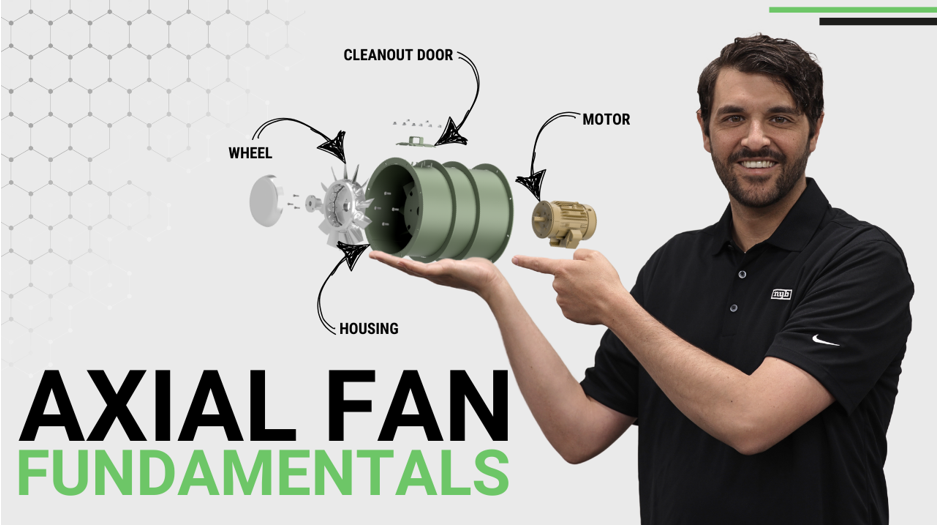 Figure 1: James Mathis covers axial fan fundamentals. Source: The New York Blower Company
Axial fans are used to move high amounts of airflow at a low pressure. These fans get their name from the way they move air axially, or, in a straight line through the fan. Some common applications are:
- General ventilation
- Smoke or fume removal
- Drying
- Cooling
Some of the most common types of axial fans are vaneaxial, tubeaxial and duct fans, which are designed to be installed in ductwork, and propeller fans, which are often installed through a wall to the outside. These categories vary by their wheel and housing designs, and performance characteristics.
Performance curves for axial fans have a non-overloading horsepower characteristic, meaning power consumption peaks and starts to drop off toward the wide open point of the curve.
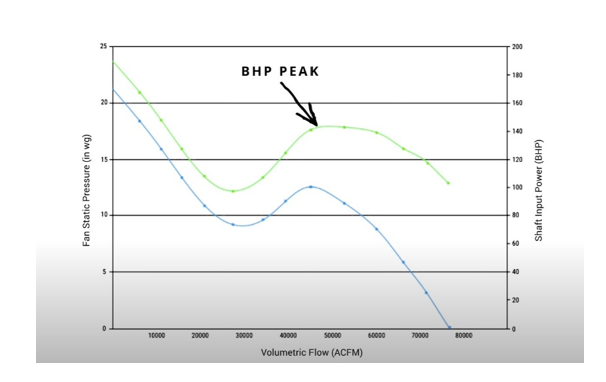 Figure 2: Axial fan curves have a stall region in the middle of the curve. Source: The New York Blower Company
Axial fan curves also have a stall region located around the middle of the curve, where performance is unstable.
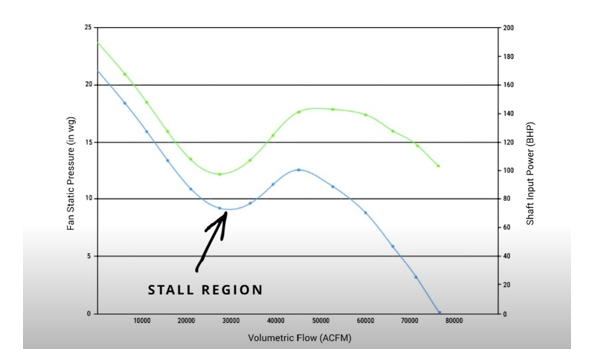 Figure 3: Axial fans are available in both belt drive and direct drive configurations. Source: The New York Blower Company
Axial fans are available in both belt drive and direct drive configurations. With most axial fan types being installed directly into ductwork, direct drive configurations place the motor directly in the airstream, so considerations should be made to ensure a motor can handle airstream conditions when specifying direct drive.
Independent from an axial fan’s size or operating speed, there are a couple other factors that determine its pressure and flow characteristics. One of these factors is the wheel’s hub-to-tip ratio.
Relative to the overall diameter of an axial fan’s wheel, the larger the hub is, the more pressure the wheel will generate. Conversely, the longer the blades are, the more volume of air the wheel will be able to move. In other words, the smaller the hub is, the less pressure it generates. And the shorter the blades are, the less air they move.
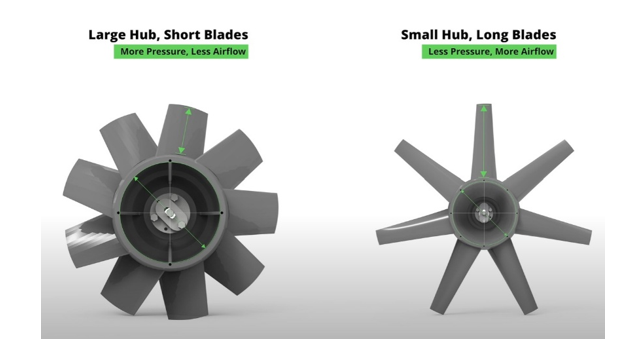 Figure 4: Blade angle is another factor that determines an axial fan’s performance characteristics. Source: The New York Blower Company
Blade angle is another factor that determines an axial fan’s performance characteristics. Increasing a wheel’s blade angle increases pressure and flow. But with the increased performance comes greater power consumption and lower efficiency. Some axial fans are designed with the blades permanently set at the designed angle. This type is referred to as fixed pitch. Fans can also be designed with adjustable pitch blades, where blade angle can be adjusted to change performance. Blade angle adjustments are often made manually, but can also be designed to adjust pitch pneumatically while the fan is in operation.
To summarize, there are many fan designs available, and by understanding a system’s aerodynamic requirements and airstream composition, the best fan for an application can be identified. To compare axial fan types with centrifugal fan types, watch a previous video covering the various centrifugal fan types here.
About The New York Blower Company
The New York Blower Company offers personalized air-movement solutions, backed by uncommon support. The New York Blower Company is a world leader in air-movement solutions, supporting customers with pre-engineered industrial fans, engineered-to-order custom fans, aftermarket parts, field services and maintenance support.
The New York Blower Company is committed to partnering with their customers to make meaningful contributions to their success by providing more than a century of expertise with a history that dates back to 1889. Thanks to six manufacturing facilities in the U.S., The New York Blower Company offers the industry’s best lead times and the benefits of having dual sources through one supplier. In addition, their research and development facility is the largest AMCA accredited testing lab in North America, ensuring peak performance and aerodynamic efficiency.
When customers work with The New York Blower Company, they aren’t just purchasing an industrial fan, they are receiving peace of mind, the confidence of a reliable installation and unmatched service.