Brewing up low-carbon concrete with coffee waste
Marie Donlon | December 22, 2025A team of researchers from Australia’s RMIT University is turning everyday organic waste into construction materials to reduce the carbon footprint of infrastructure.
Specifically, the team determined, using a life-cycle analysis, that biochar derived from spent coffee grounds could be used to produce a lower‑carbon concrete while simultaneously supporting strength benefits.
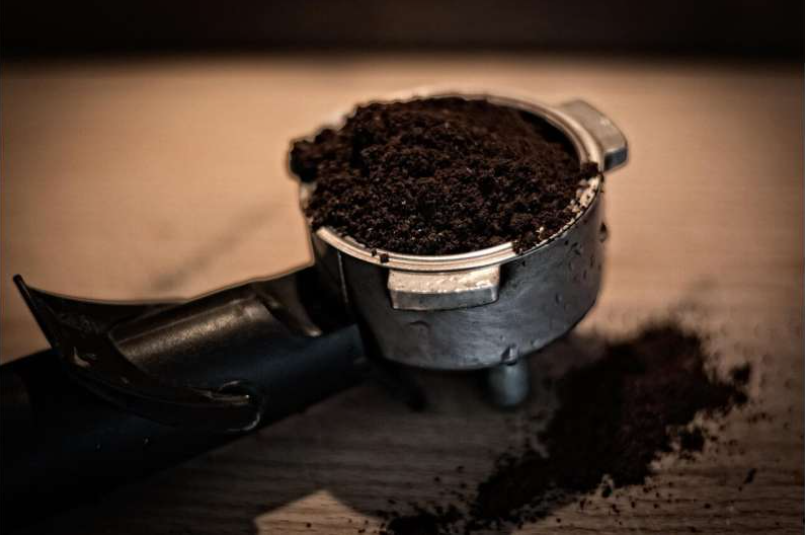
The RMIT team previously conducted experiments using coffee grounds heated to roughly 350° C without oxygen to produce a fine biochar. When used to replace 15% of the sand in concrete, the team determined that its 28‑day strength increased by approximately 30%, thus presenting a practical approach to reducing the strain on natural sand supplies.
That data was used to construct a full life-cycle assessment, detailing environmental impacts — including carbon emissions and resource use — from production through to disposal.
Using this assessment tool, the team discovered life‑cycle carbon dioxide reductions of 15%, 23% and 26% at 5%, 10% and 15% biochar replacing sand, in addition to 31% lower use of fossil fuels and improvements in impacts on rivers and lakes.
"We showed that coffee biochar can cut concrete's carbon footprint in the scenarios we assessed, while earlier trials demonstrated strength gains using the same approach," the team explained.
The study, "Carbon footprint reduction in concrete using spent coffee grounds biochar: a life cycle perspective," appears in the International Journal of Construction Management.