Wearable patch clings tighter as you sweat, without irritating skin
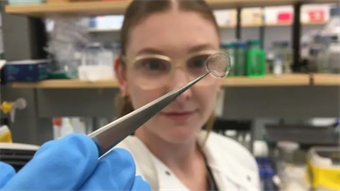
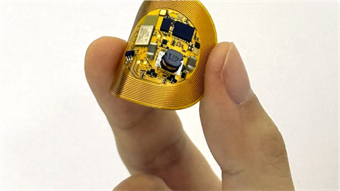
Marie Donlon | August 10, 2025Texas A&M University researchers have developed a skin-friendly adhesive that could improve how wearables adhere to the skin.
According to the researchers, the new adhesive is based on polyelectrolyte complexes, or PECs — which are the sticky, water-based materials that gently bond to the skin.
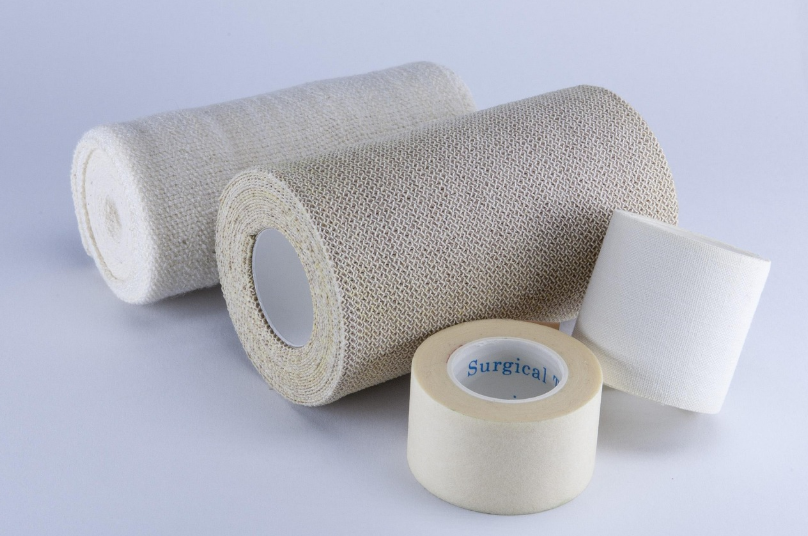
This solution is unlike commonly used solvent-based adhesives which tend to trigger rashes, redness and inflammation. The new PEC formulation reportedly reduces irritation and can better adhere to skin when exposed to moisture, including sweat.
“To our knowledge, no one has used a PEC as an adhesive for wearable medical devices. We were able to develop and patent a PEC that can match the adhesive strength of 3M Tegaderm adhesive, without the common skin discomfort,” the researchers noted.
The researchers explained that current wearable medical devices tend to rely on hydrophobic, pressure-sensitive adhesives that are composed of acrylates, methacrylates or colophonium, which keep sensors securely attached to the body. Yet these solvent-based materials tend to irritate sensitive skin.
To develop the rash-free PEC adhesives, the team determined that the salt content naturally present in sweat could potentially improve the adhesive’s grip over time.
While it is assumed that water-based adhesives would wash away or lose stickiness with moisture, the team determined that sweat actually enhanced adhesion.
The team’s findings were detailed in the article, “Polyelectrolyte Complex Coacervate Adhesive for Wearable Medical Devices,” which appears in the journal Macromolecular Rapid Communications.