Eye scans may help detect schizophrenia early
Marie Donlon | May 10, 2025Research from the University of Zurich and the University Hospital of Psychiatry, Zurich, suggests that because genetic risk for schizophrenia is linked to thinner retinas, retinal scans may one day aid in the early detection and subsequent intervention of the disease.
As part of the central nervous system, the retina is connected to the brain. As such, the eyes show subtle signatures of shifts in brain activity. With this in mind, the researchers sought to discover whether disruptions in neural communication are linked to genetic risk factors for schizophrenia — which is a disorder known for affecting how the brain processes information.
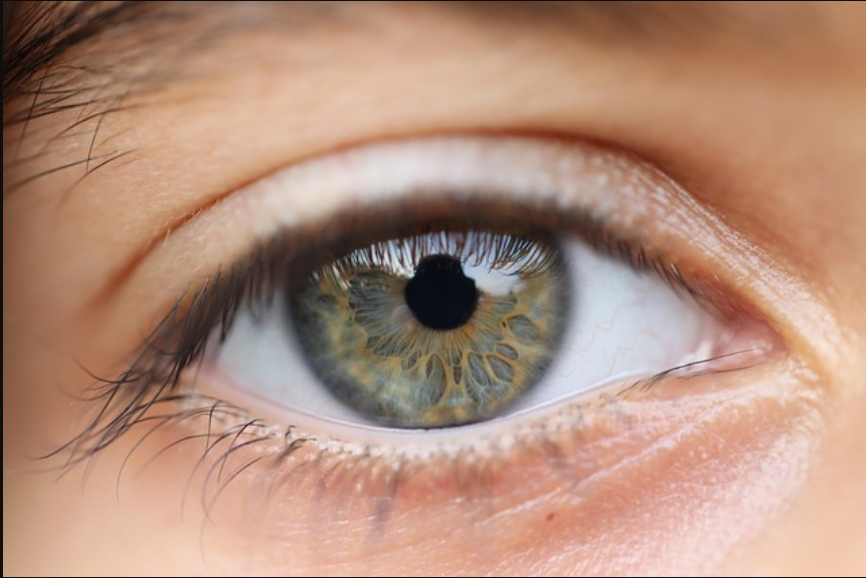
Studies performed previously have suggested that schizophrenia might be associated with a loss of gray matter in the brain and the thinning of the retina. However, it remains uncertain whether these changes lend to the development of the disorder or occur as a consequence of it.
“To investigate whether the risk of developing schizophrenia has an effect on the central nervous system, we examined tens of thousands of healthy individuals,” the researchers said. “We then calculated polygenic risk scores for each individual.”
Drawing on genetic and retinal data from the U.K. Biobank — a biomedical database that houses information from more than half a million participants — the team determined that greater genetic susceptibility to schizophrenia is associated with thinner retinal tissue.
The team noted that unlike brain changes, alterations in the retina can be detected easily and non-invasively using optical coherence tomograph. This technique works much like an ultrasound but for the eye to measure retinal thickness quickly, thereby opening up the potential for early detection and prevention.
“Our study shows the potential of using optical coherence tomography in clinical practice. But large-scale longitudinal studies are needed to examine how useful it will be for prevention,” the researchers said.
Additionally, the study points to genetic variants associated with inflammatory processes in the brain that may also play a role in the structural changes detected in the retina.
These findings thus lend support to the inflammation hypothesis of schizophrenia, which is the idea that inflammation might encourage the onset or progression of the disorder.
“If this hypothesis is confirmed, inflammation could be interrupted by medication, potentially enabling us to improve treatment possibilities in the future,” the researchers concluded.
The study, “Genetic susceptibility to schizophrenia through neuroinflammatory pathways associated with retinal thinness,” appears in the journal Nature Mental Health.