pH in plant-based proteins: Key ingredient in ensuring quality
Rajnigandha Shende, courtesy of Mettler Toledo | June 15, 2025As the world shifts toward healthier and more sustainable eating habits, the demand for plant-based proteins continue to soar. For what has started as environmental concerns, animal welfare and human health awareness, has now turned into an overall change in consumer behavior. They are now adopting more and more plant-based proteins from sources such as soy, tofu, wheat and chickpeas in their daily diets. As a result, an increasingly number of manufacturers are trying to bring innovative and healthy meat alternatives.
However, with this rising popularity comes a crucial responsibility: ensuring that these products are safe, nutritious and enjoyable. pH is one of the key parameters in achieving this. Let’s explore how pH measurement can enhance the quality of plant-based proteins, making them safe and satisfying for consumers everywhere.
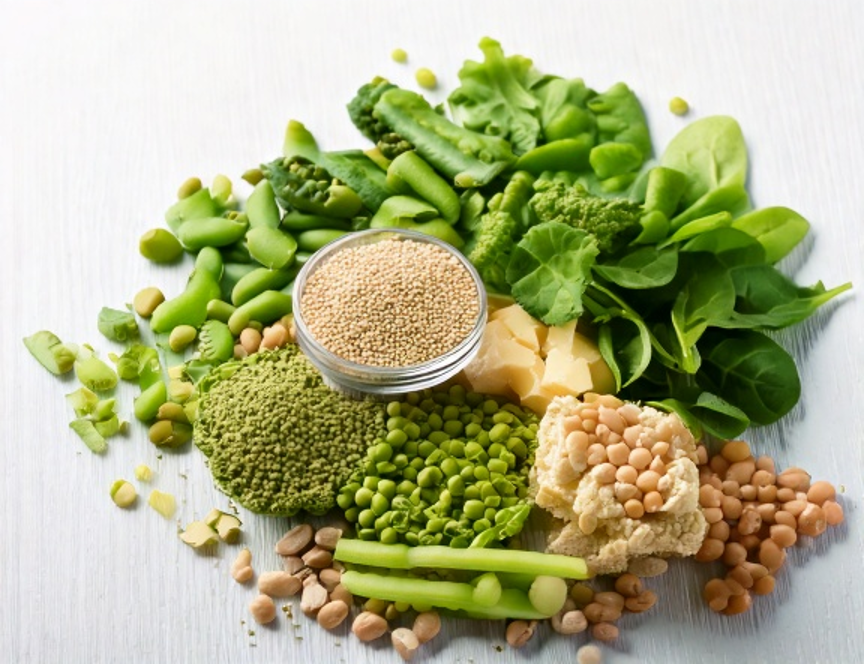 Diversity of plant-based proteins with nutritional powerhouse sources. Source: Mettler Toledo
Effects of pH on plant-based protein quality
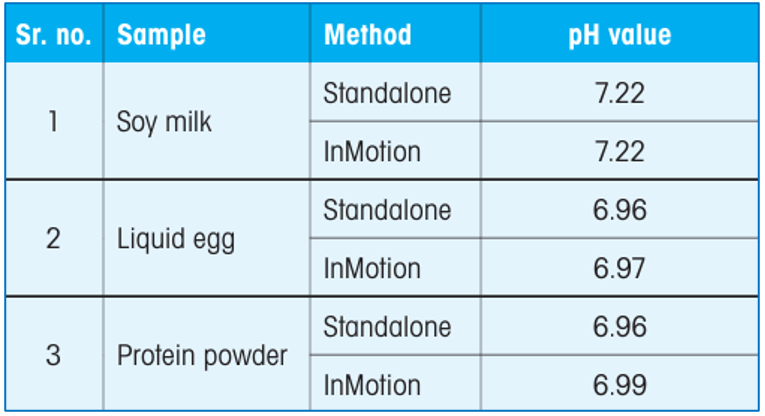 Table 1: pH values of soy milk, protein powder in aqueous solution and plant-based liquid egg measured with METTLER TOLEDO’s InLab Power Pro-ISM sensor. Source: Mettler Toldeo
The quality of plant-based proteins is significantly influenced by pH, affecting their structural integrity and functional properties. Variations in pH can lead to changes in protein solubility, emulsification ability, gel formation and even nutritional value, which are crucial for their application in food products. Here are some key aspects to consider:
1. Protein structure and functionality:
The pH of a solution can significantly impact the structural integrity and functionality of plant-based proteins. Changes in pH can cause denaturation. This leads proteins to unfold and lose their native shape, which impacts their functional properties like gelation, emulsification and foaming. Many proteins are more stable and effective at neutral to slightly alkaline pH (around 7 to 9), where their structure stays intact for optimal performance in various applications.
2. Gel formation:
The ability of plant proteins to form gels is pH-dependent. The best results are usually around their isoelectric point (pH 4 to 6), where interactions like hydrogen bonding and hydrophobic effects are strongest. However, too much clumping at these pH levels can lower gel quality. In more acidic (pH less than 4) or basic (pH greater than 9) conditions, gel formation is often not as good because the proteins may not dissolve well.
3. Nutritional aspects:
Food pH affects the digestibility of plant protein amino acids (amino acids are the building block of proteins). Acidic conditions improve protein solubility, aiding absorption, while extreme pH can denature proteins, reducing nutritional quality and bioavailability.
4. Color and flavor stability:
The pH of plant-based protein products affects their color and flavor stability. Certain proteins may react with food components at specific pH levels, causing undesirable changes. Maintaining balanced pH is essential for appealing quality.
The journey of pH measurement in production
Understanding and monitoring pH levels is essential in the production of high-quality plant-based proteins, as it influences taste, texture and safety. Using pH meters at various stages ensures that the final product complies with regulatory standards and meets consumer expectations.
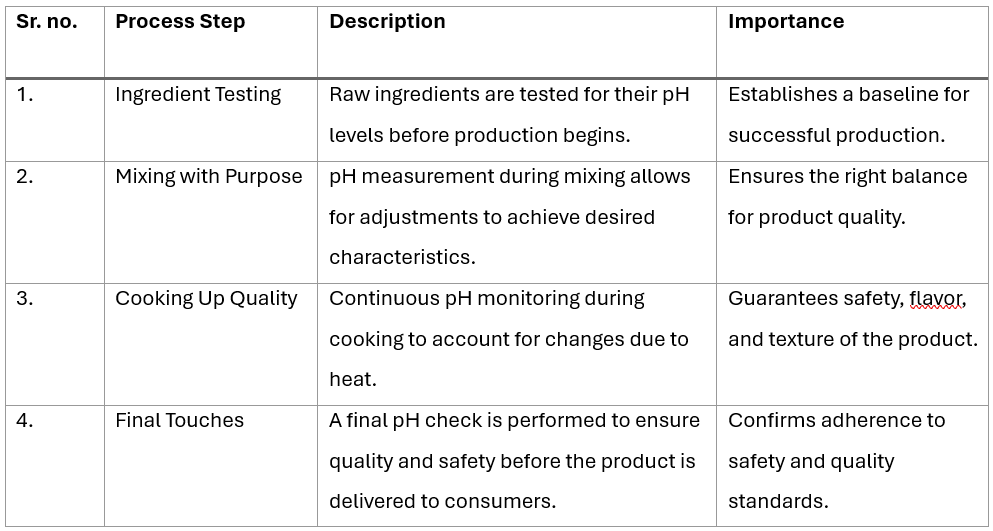 Table 2: The key stages where pH plays a vital role in ensuring the quality of the final product. Source: Mettler Toledo
How to know the pH of plant-based proteins?
Measuring the pH of plant-based proteins is essential for maintaining product quality and consistency. By accurately assessing pH levels, manufacturers can optimize formulation and processing conditions. Therefore, ensuring the final products meet desired standards for taste, color and texture. This knowledge empowers producers to make informed decisions throughout the production cycle.
To achieve accurate and reliable pH measurements throughout the above-mentioned process, manufacturers can utilize METTLER TOLEDO's pH meter SevenDirect, which ensures precision and ease of use in monitoring pH levels at every stage of production. This advanced instrument not only simplifies the measurement process but also provides real-time data, allowing for quick adjustments that enhance product quality. With its robust features, the pH Meter SevenDirect series supports manufacturers in consistently delivering exceptional plant-based meat products that meet consumer expectations.
Download Mettler Toledo's pH Measurement of Plant-Based Protein | METTLER TOLEDO to learn more about accurate measurement practices.
To contact the author of this article, email pHmatters@mt.com