Comparing thermocouples versus RTD
Temitayo Oketola | April 15, 2024Temperature measurement is very crucial to the desirable operation of several processes across different engineering industries today. For instance, engineers in the food processing industries employ temperature measurement devices in ovens and grills for high-temperature cooking processes. Likewise, engineers in the power generation industry rely on accurate temperature-measuring devices in boilers, gas turbine exhausts and other critical points in power plants.
Thermocouples and resistance temperature detectors (RTDs) are two key temperature-measuring devices used across a broad range of industries due to their unique attributes, such as broad temperature range, high accuracy, quick response time and durability. However, understanding the key differences between these two types of sensors is essential for selecting the appropriate device for a specific application.
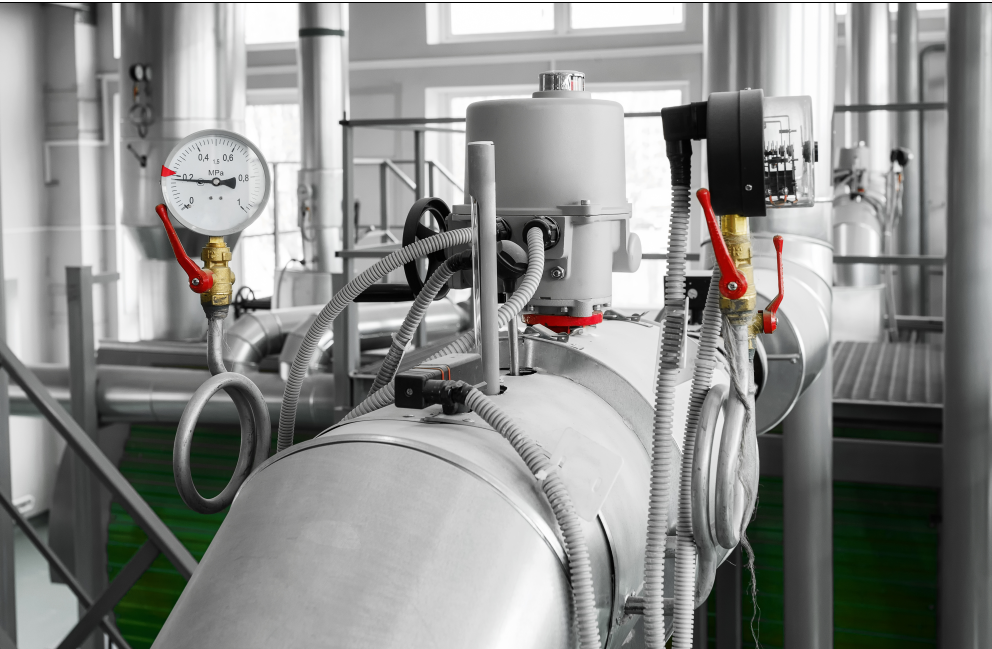 Figure 1. Metering and control system with thermocouples for a gas boiler. Source: Aliaksei/Adobe Stock
Principle of operation
A thermocouple consists of two dissimilar metallic wires joined together to form a junction. Thermocouples work based on the Seebeck effect, where a voltage is generated in the electrical circuit when the junction is heated or cooled. This voltage is then measured and converted into temperature. In contrast, RTDs feature sensor materials such as platinum, nickel and copper. The resistance of this sensor material changes with thermal energy, such that when the device’s temperature increases, its resistance also increases in a predictable manner. RTDs measure temperature by correlating this resistance with temperature.
Temperature range, accuracy and stability
A thermocouple’s unique design allows it to measure temperatures typically in the range of -200º C to 2,500º C. In contrast, RTDs are typically used in the range of -200º C to 850º C. The higher temperature range of thermocouples makes them ideal for measuring high temperatures. However, the selection of temperature-measuring devices is not limited to their temperature range; the accuracy and stability of these devices must be considered in order to make an informed decision.
Thermocouples are typically less accurate than RTDs, with typical accuracy ranging from ±0.5º C to 5º C, depending on the type of thermocouple. RTDs offer a higher accuracy, within accuracy ranges of 0.1º C to 1º C. They provide more stable and repeatable measurements and are less likely to drift over time.
[Learn more about thermocouple selection on GlobalSpec]
Response time
Response time describes the time it takes for the temperature sensors to react to a change in temperature and adjust their output to react to that change. Thermocouples typically have a faster response time compared to RTDs. This is due to their unique design that allows direct exposure to the temperature source, causing them to quickly generate a voltage change and output reading in response to temperature variation.
Cost considerations
When selecting between thermocouples and RTDs, the initial purchase price and total cost of ownership (including maintenance and calibration costs) are crucial factors that engineers must consider. Generally, thermocouples are less expensive than RTDs and present a more economical choice, especially for budget-conscious projects or applications that require many sensors. While RTDs are typically more costly upfront, they tend to have a lower long-term maintenance cost. This is due to their stability and accuracy over time, resulting in less frequent calibration and maintenance expenses.
Applications
The high-temperature range, fast response time, and durability of thermocouples make them suitable for high-temperature industrial applications, including furnaces, gas turbine exhaust and diesel engines. In contrast, RTDs are generally preferred in laboratory and scientific applications, pharmaceuticals and food processing industries where high accuracy, stability and repeatability are crucial.
Conclusion
Thermocouples and RTDs are essential devices that engineers and research scientists rely on to measure temperature. However, given the differences in operating principle, accuracy, stability and response time between these two technologies, engineers must make an informed decision when choosing between these temperature sensors for an application. While this article presents the basic things to consider, it is recommended that engineers reach out to temperature sensor suppliers to discuss application requirements.