How controlled environment agriculture is moving sustainability forward
February 01, 2024 Figure 1. An IoT-networked prototype of a digital greenhouse. Source: Würth Elektronik
Controlled environment agriculture (CEA) is revolutionizing the way to approach farming, adapting to the challenges of a changing world. A driver of this modernization is Würth Elektronik, a company deeply committed to providing building blocks for enhancing agriculture through technology.
The science of plant growth in controlled environments
Würth Elektronik has made significant strides in horticulture, particularly with advanced LED technologies tailored for vertical farming. These innovations are not just about growing plants; they're about reshaping agriculture to be more sustainable and efficient, particularly amid changing climate conditions. The components are designed to optimize plant growth, enabling systems to adjust to specific needs of different crops.
Understanding plant behavior is critical in CEA. Variations in rainfall, temperature and solar exposure are hard to control but greatly affect crop yields and quality. With CEA, these variables can be tightly controlled instead of random.
Investing in LED technology means focusing on light intensity, color, and how different light spectrums influence plant growth. Other innovations help to enable artificial intelligence (AI) and robotics within CEA facilities. This isn't just about providing light or robots; it's about creating the ideal conditions for each plant. The approach is rooted in a deep understanding of plant physiology and its interaction with environmental factors.
AI and data analysis
AI is increasingly at the center of CEA's progress. By analyzing extensive data pools, including detailed photos of each plant, AI algorithms can determine the optimal conditions for growth. Gathering this data requires sensors and components specifically designed for the task.
Useful data comes in many forms including past data on humidity, watering and lighting conditions. The BERRY robot, for instance, is a strawberry harvesting robot that – with the help of the LED board from Würth Elektronik – is able to harvest 24 hours a day and determine the degree of ripeness of the fruit. Advanced software and image recognition allow BERRY to address labor challenges while ensuring precise care for each plant.
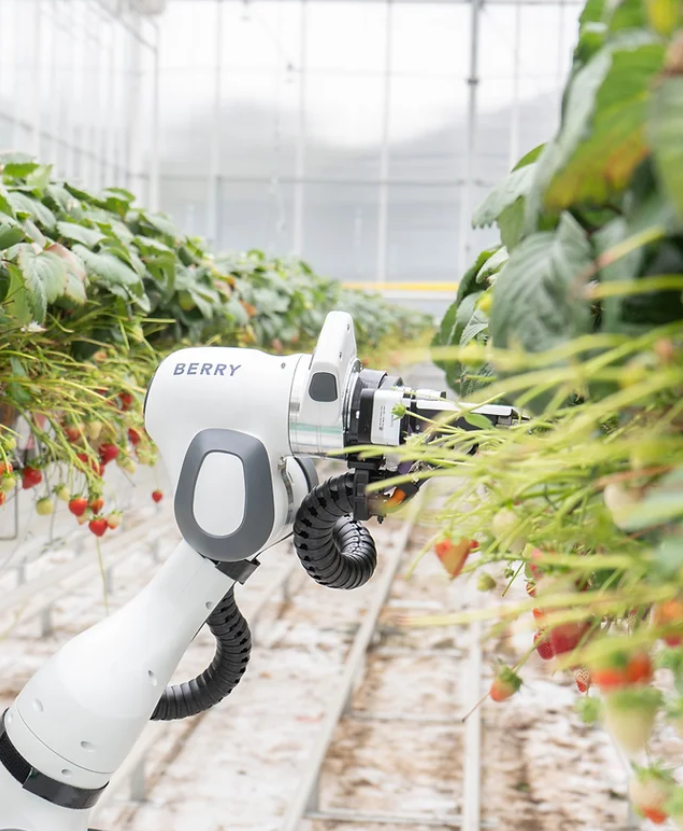 Figure 2. AI algorithms can determine optimal growth conditions and harvest using robotic technology. Source: Organifarms
Vision for the future
Würth Elektronik's drive in CEA is fueled by the need to respond to environmental challenges like erratic weather patterns. The company is not just creating solutions; it is motivating others to embrace CEA. Würth Elektronik envisions a world where agricultural technology and research are accessible and widely implemented, recognizing that many of the needed technologies are already available.
Würth Elektronik's role extends beyond technology development; they are building a collaborative ecosystem. By bringing together farmers, retailers and technologists, Würth Elektronik is creating a network that enhances local agriculture. This collaboration is pivotal in ensuring that the benefits of controlled environment agriculture and AI reach broader communities, facilitating sustainable and localized food production.
In the grand scheme of things, CEA is not just a solution for Earth. As we look toward the colonization of Mars, technologies like CEA will be essential in creating viable agricultural systems in challenging environments.
Empowering agricultural sustainability
The commitment to innovation is not just about enhancing crop yields; it is about shaping the future of agriculture. With a strong focus on AI, collaboration and a deep understanding of plant science, Würth Elektronik is poised to continue leading the charge in transforming agriculture for a sustainable future. Learn more about how Würth Elektronik is building a better tomorrow.