Five things to consider when purchasing a pH meter for water analysis
Parul Chhaparia, courtesy of Mettler Toledo | January 26, 2024The pH measurement of water is an essential criterion in many industries, including pharma, food and beverage, chemicals, biotechnology and electronics. Each industry has unique parameters to determine the water quality, from estimating soluble trace minerals to evaluating its ability to corrode metals and suitability for aquatic life.
Let's take a closer look at how pH measurement plays a critical role in different industries. For instance, in drinking water treatment, pH is important to determine the efficiency of disinfection and coagulation, ensuring the water quality is up to par. In packaged bottled water, beverages, and snack food manufacturers, water analysis is necessary to assess its purity and efficiency for various processes. Water is used as a solvent in many of these industries.
With all that in mind, it is not surprising that selecting the right pH meter becomes crucial for water applications. Even a minor deviation in pH measurements can significantly impact water quality. Additionally, different water samples have unique characteristics based on temperature, conductivity, and presence of ions. Therefore, it’s essential to use the right pH meters that can provide accurate and reliable results.
 Seven2Go Portable pH meter for water testing. Source: Mettler Toledo
Read further to learn about factors to consider when buying a pH meter for your water applications.
1. Type of water application: The first and foremost factor to consider when selecting a pH meter is its application type. Different applications, such as drinking water quality control, wastewater treatment, environmental monitoring, pharma, and food and beverage, require specific types of pH meters. Therefore, it is essential to understand the exact application, location and even the required accuracy level before buying a pH meter.
2. Accuracy and precision: Accuracy and precision are undoubtedly the most critical factors in any pH measurement. While accuracy refers to the degree of conformity between the measured pH value and the true or expected pH value of the sample, precision simply means how consistently the pH meter produces the same reading for the same sample when measured multiple times. In water applications, where sample characteristics can vary significantly depending on temperature, their source, and other factors, a precise and accurate meter is of utmost importance.
3. Calibration: Calibration is the process that sets up the pH meter to match the standard values and ensures the accuracy of pH measurement. Some pH meters can be auto-calibrated, while others require manual calibration. When selecting a pH meter for water application, it is crucial to choose one with stable calibration that maintains accuracy over time.
4. Temperature compensation: Temperature is one of the essential characteristics to consider when dealing with water applications. Temperature fluctuations significantly impact the pH reading. That is why it is important to have a pH meter with a temperature compensation feature. This feature allows the pH meter to adjust the pH readings to account for any temperature fluctuation in the water sample, ensuring accurate and reliable results.
5. Durability and portability: When it comes to water applications that are conducted in the field and harsh environments, the durability and portability of a pH meter become critical. For applications like environment monitoring, it is particularly important that the meter can withstand tough environmental conditions. On the other hand, for laboratory applications, the pH meter may not require the same level of ruggedness. In these instances, a pH meter that's designed for lab use may be more appropriate.
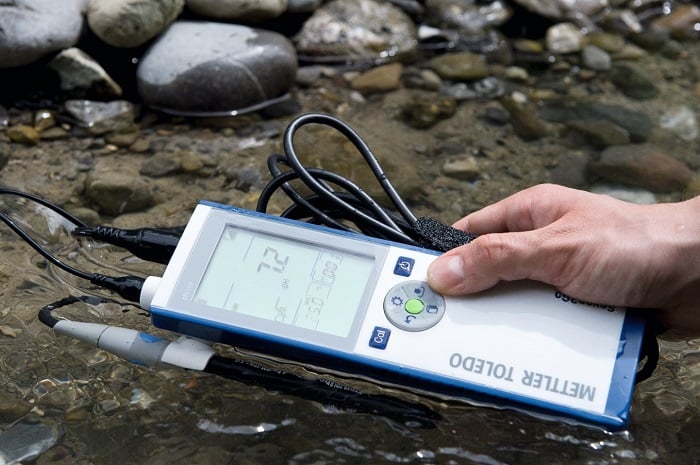 Source: Mettler Toledo
Aside from the factors discussed, there are other essential considerations when choosing a pH meter. These include cost, user-friendliness, customer support and manufacturer warranty. All these factors must be carefully weighed before investing in a pH meter. Ultimately, the aim is to buy a pH meter that meets your specific requirements, delivering accurate and precise results, without burning a hole in the pockets.
To explore more about the pH meters and sensors for specific applications, visit mt.com.