Polymers that kill bacteria developed by Texas A&M
Marie Donlon | January 03, 2024A team of Texas A&M University researchers has created new polymers capable of killing bacteria without encouraging antibiotic resistance.
To accomplish this, the team designed a positively charged molecule that can be stitched repeatedly to create a larger molecule composed of the same repeating charged motif via a catalyst called AquaMet.
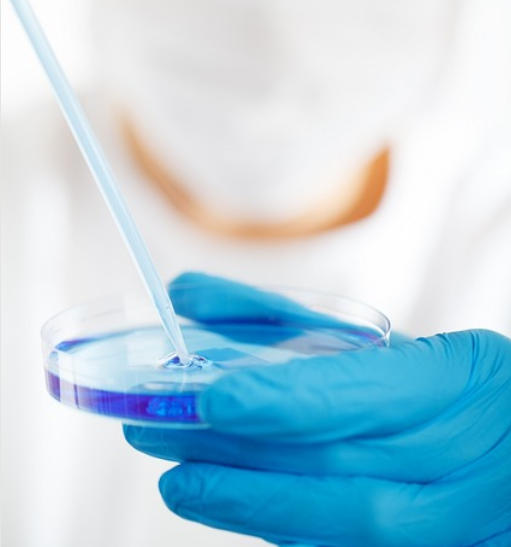
Once created, the polymers were tested against two types of antibiotic-resistant bacteria: E. coli and Staphylococcus aureus (MRSA). Polymer toxicity was also tested against human red blood cells.
“A common issue with antibacterial polymers is a lack of selectivity between bacteria and human cells when targeting the cellular membrane,” the researchers explained. “The key is to strike a right balance between effectively inhibiting bacteria growth and killing several types of cells indiscriminately.”
The polymers are detailed in the article, "Ring-opening metathesis polymerization of N-methylpyridinium-fused norbornenes to access antibacterial main-chain cationic polymers," which appears in the journal Proceedings of the National Academy of Sciences.