Device designed by students detects safe water supplies
S. Himmelstein | December 15, 2023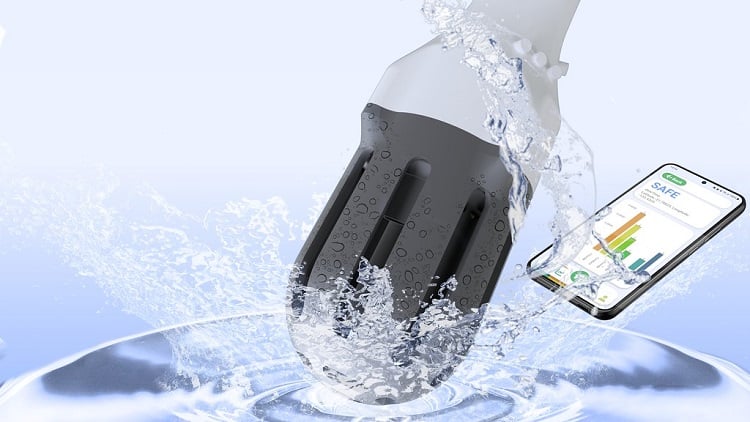 Students devised the OASIS water quality monitoring device. Source: University of Bath
A portable water quality monitor developed by students at the University of Bath, U.K., can help rapidly detect and map safe water sources for communities around the world.
The On-site Aquatic Safety Inspection System (OASIS) device is equipped with an array of electrochemical sensors. When exposed to a water source, the sensors initiate a series of electrochemical reactions, which are affected by the presence, concentration and type of pollutants present. The OASIS reactions are triggered by the presence of chlorides, fluorides and nitrates, as well as pH level, temperature and turbidity. By analyzing the output of these reactions, the device can detect and quantify various clean water indicators. Results are rapidly displayed by the portable instrument, and findings can be uploaded and shared online via a smartphone connection. GPS technology is used to input the data to a global map.
"This could work in areas where water is scarce, potentially contaminated, or where agricultural work can cause quite rapid changes to water quality. It can provide a form of immediate detection of risks, or for situations such as a cholera outbreak,” said team leader Alexz Farrall.
The student researchers plan to work with non-governmental organizations to bring the device into full production through an open-source project and make it available in areas where they operate. Near-term goals include enhancing OASIS sensitivity and detection toward a range of contaminants.