
Detecting AF in shoppers using grocery cart handles
Marie Donlon | July 17, 2023Researchers at Liverpool John Moores University (LJMU) in the U.K. are using the handles of grocery store carts to diagnose the risk of stroke in those pushing them.
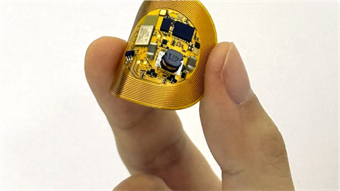
To create the so-called pulse-reading cart handles, the LJMU team incorporated electrocardiogram (ECG) sensors into the cart handles to screen shoppers for atrial fibrillation (AF) — which is the irregular beating of the heart that triggers blood clots and increases the risk of stroke.

Trialed in a U.K. grocery store, the cart handles identified shoppers with signs of AF and referred them to cardiologists, potentially offering shoppers a path to early intervention, the researchers explained.
Users hold the cart handle for one minute while the ECG sensors screen the shopper for AF. In the event that AF is detected in the form of an irregular heartbeat, the researchers explained that a red light will flash on the cart handle. Conversely, a green light will appear in the event that a regular heartbeat is detected.
The accuracy of the system still needs finetuning, the researchers explained, with the handles correctly detecting signs of AF in 70% to 93% of shoppers. Yet, manual tests revealed that just 25% to 50% of those shoppers actually had AF.
For more information on the grocery cart handles, watch the accompanying video that appears courtesy of LJMU.


Here in the U.S. that very well could be a HIPAA violation.